

5 Modern Fades for Every Hair Type: A 2026 Style Guide
Mastering the perfect fade requires matching the transition gradient to your specific hair texture, from tight curls to straight strands. This guide breaks down five distinct fade styles with visual step-by-step instructions and precise maintenance routines to ensure longevity and sharp definition.
-
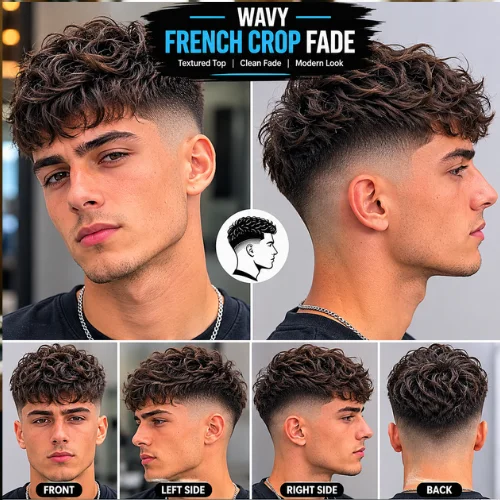
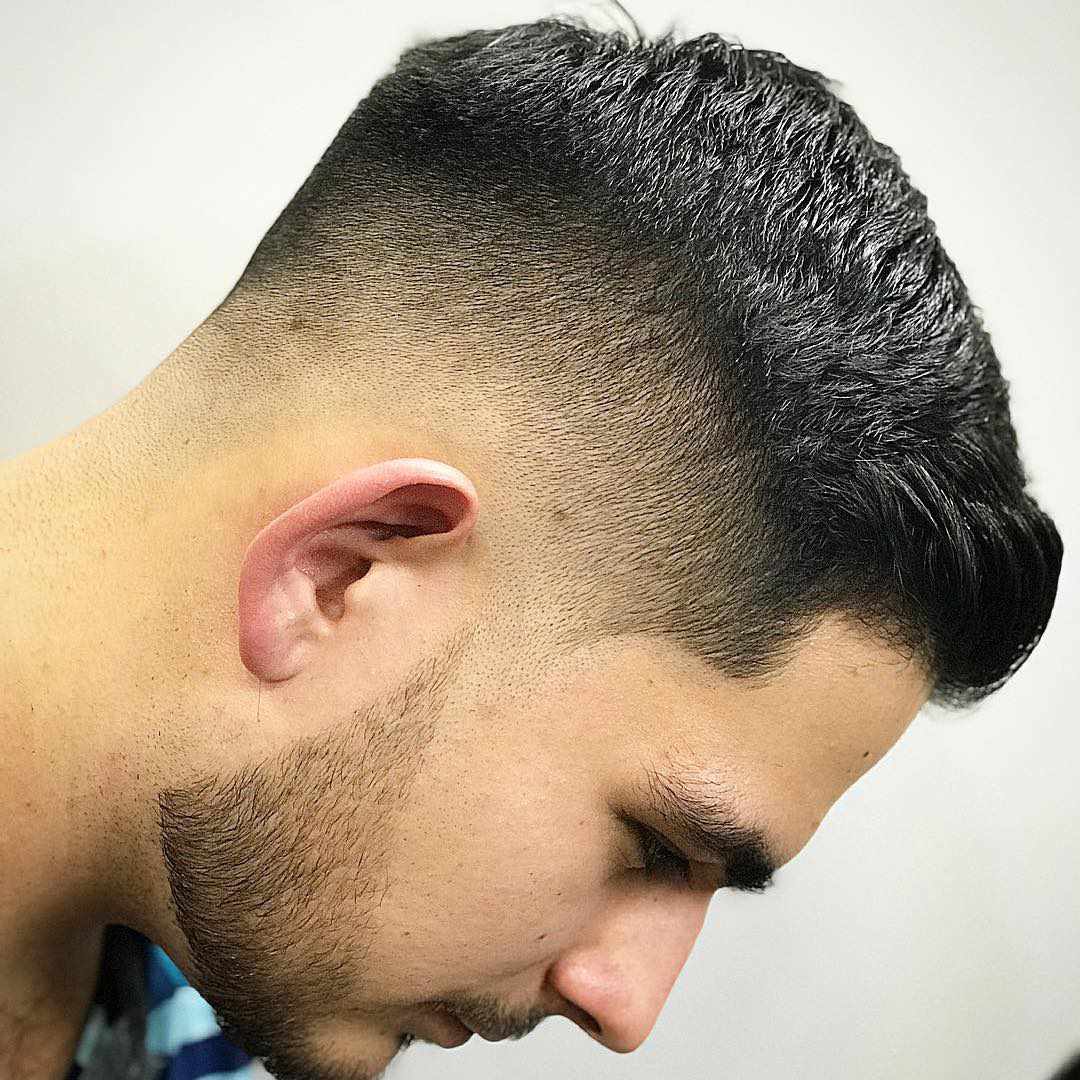
:max_bytes(150000):strip_icc()/44909393_2183467305255701_7572857835743285897_n-efef49bfb8ad4a2b8b4d0e6fe4fb4df2.jpg)
skin fade for straight, fine hair
Straight, fine hair benefits from a skin fade to create the illusion of density and structure. The sharp gradient draws attention upward, adding visual weight to thinning crowns. Use a texturizing paste to add grip without weighing strands down. Maintain the crisp line with weekly trims, as fine hair grows quickly and loses definition. This style offers a clean, polished look that requires minimal daily styling effort. -
taper fade for thick, coarse hair
Thick, coarse hair demands a taper fade to manage bulk while preserving natural volume on top. Unlike a skin fade, a taper leaves more length at the sides, preventing the "mushroom" effect common with dense textures. Apply a heavy-duty pomade or clay to control frizz and define shape. Schedule maintenance every three to four weeks to keep the transition smooth and prevent sideburns from becoming unruly. -
curly fade for coily, textured hair
Coily, textured hair thrives with a curly fade that respects natural curl patterns while cleaning up the neckline and sides. The fade reduces bulk around the ears, allowing curls to spring freely without looking weighed down. Use a sulfate-free moisturizing shampoo and a light leave-in conditioner to maintain hydration. Avoid over-trimming the top to preserve curl definition, and refresh styles with a water-based spray between washes. -
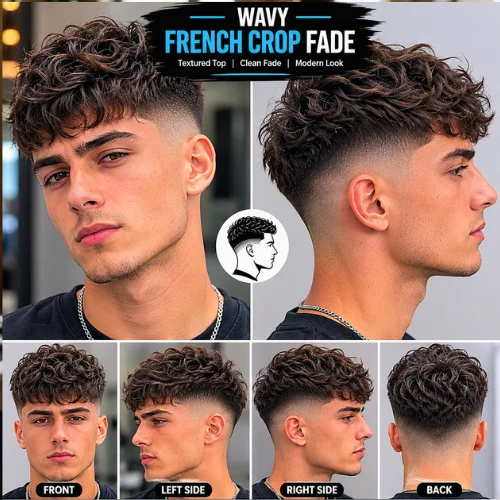
drop fade for wavy, medium hair
Wavy, medium hair pairs well with a drop fade, which curves downward behind the ear to follow the natural hairline. This cut enhances wave patterns by removing excess weight from the sides, allowing the top to lay naturally. A sea salt spray can boost texture and hold without stiffness. Maintain the shape with bi-weekly touch-ups to keep the drop line sharp and prevent the fade from looking uneven as hair grows out. -
low fade for thinning hair patterns
A low fade is ideal for thinning hair patterns, as it keeps the transition subtle and close to the hairline. This minimizes contrast between thinning areas and fuller sides, creating a balanced appearance. Use a volumizing mousse or fiber-based product to add thickness to sparse spots. Regular trims are essential to maintain the low profile, ensuring the style remains neat and professional without drawing attention to hair loss.
Match fade height to hair texture
The transition point of a fade is not arbitrary; it is a structural response to density and curl pattern. A high fade places the taper line near the parietal ridge, removing bulk from the sides and creating vertical length. A low fade keeps the taper near the ears, preserving width and volume. Choosing the wrong height for your hair type creates visual discord rather than balance.
Thick, straight hair carries significant weight. A low or mid fade allows enough hair to remain on the sides to blend smoothly into the top without creating a harsh, disconnected block. If you use a high fade on dense straight hair, the remaining length on top can overwhelm the narrow sides, making the head look top-heavy. For this texture, a skin fade starting at the mid-head often provides the cleanest contrast.
Curly and coily hair expands outward. The diameter of the curl determines how much space the hair occupies on the sides. A low fade on tight curls can look puffy or mushroom-shaped because the uncut hair above the taper pushes out. Elevating the fade to the mid or high section removes the expanding bulk, allowing the curl pattern on top to sit neatly without lateral spread. This is essential for maintaining a sharp silhouette.
Wavy hair sits in the middle. It has enough movement to blend from a mid-level fade but lacks the density to support a high fade without looking sparse. A mid fade offers the best compromise, keeping the sides tidy while allowing the waves to flow naturally into the top. The goal is to let the wave pattern dictate the transition, ensuring the haircut moves with your natural texture rather than against it.
Keep the Fade Sharp Between Visits
A modern fade relies on clean transitions and defined edges. Without maintenance, the line of demarcation between the faded sides and the longer top can become blurry or uneven. Regular upkeep at home extends the life of the cut, keeping it crisp for weeks.
1. Wash with Clarifying Shampoo
Buildup from styling products and natural oils can weigh down the hair, making the fade look heavier and less defined. Use a clarifying shampoo once or twice a week to remove residue from the scalp and hairline. This ensures the hair sits naturally against the skin, preserving the sharpness of the taper.
Wash your hair with a clarifying shampoo to remove product buildup and excess oil. Focus on the hairline and neck where residue accumulates fastest. Rinse thoroughly to leave the hair light and ready for styling.
After washing, apply a small amount of light hair oil or fade balm specifically to the fade transition line. This keeps the skin hydrated and reduces the appearance of flakiness, which can make the fade look messy. Use a cotton swab for precision.
Use a detail trimmer with a guard to clean up the neckline and sideburns every few days. Even a millimeter of growth can soften the look. Follow your natural hairline and keep the edges straight to maintain the geometric structure of the cut.
Finish with a lightweight, non-greasy moisturizer or scalp serum. Hydrated skin reflects light better, making the fade appear sharper. Avoid heavy creams that can clog pores or make the hair look greasy and flat.
Tools for Maintenance
Having the right equipment makes home maintenance easier and safer. A quality detailer is essential for keeping the edges sharp without causing irritation.


As an Amazon Associate, we may earn from qualifying purchases.
Common Maintenance Questions
No comments yet. Be the first to share your thoughts!