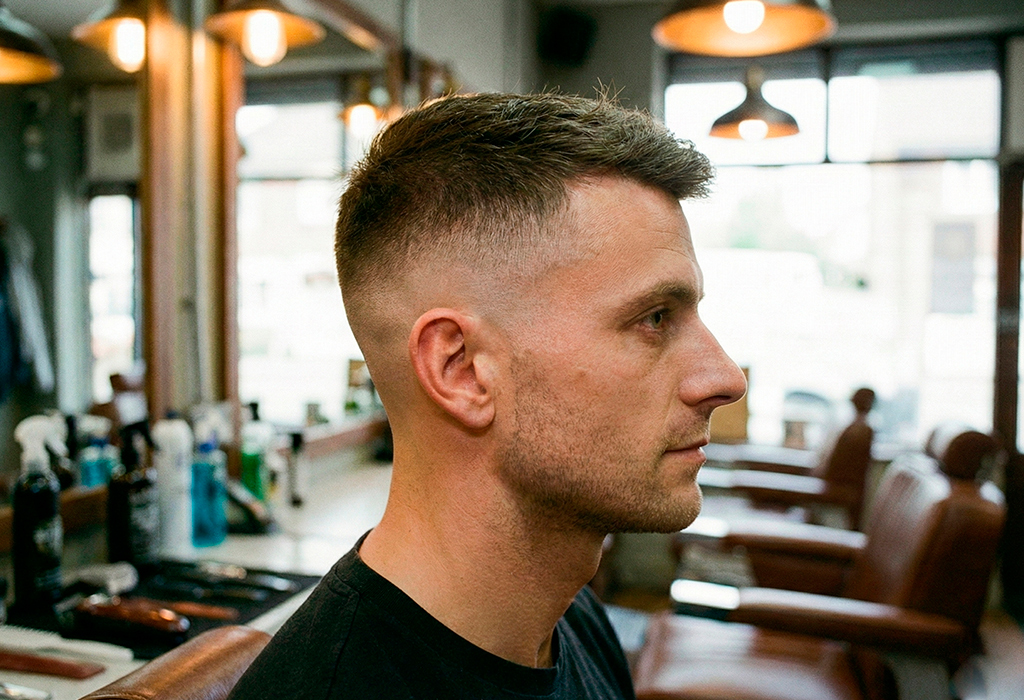

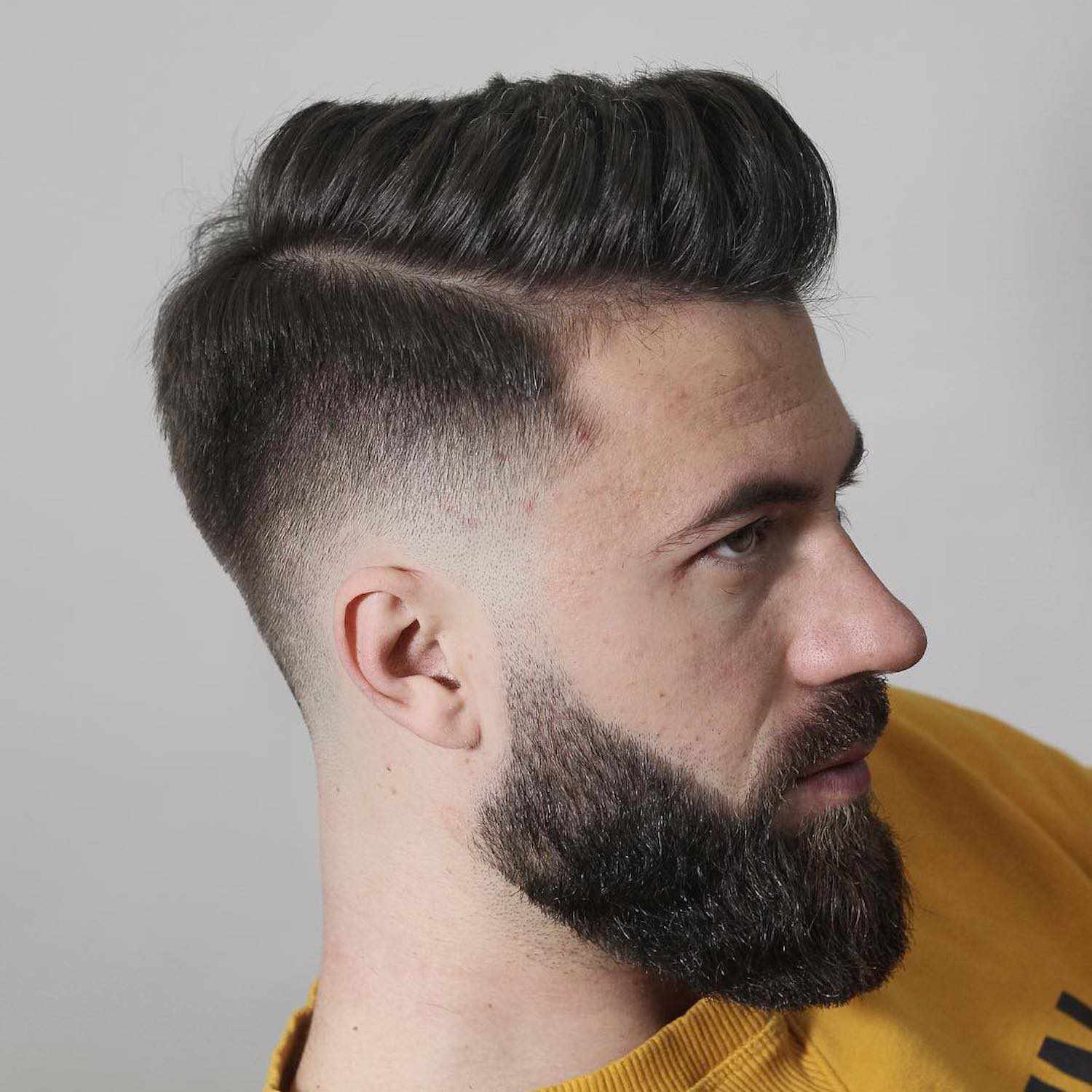
Get modern fades right
A modern fade isn’t just about the haircut; it’s about the foundation. Before you pick up clippers or sit in the chair, you need to assess three things: your hair texture, your hairline, and your lifestyle. Skipping this step is why many fades look messy within a week.
Hair texture dictates the transition. Coarse, curly hair holds a sharp line but requires more moisture to prevent breakage during the blend. Straight hair blends easier but shows every imperfection in the guard progression. If you have a receding hairline or a widow’s peak, you’ll need to adjust the fade height to balance your face shape, not just follow a template.
Your daily routine matters too. A high-maintenance skin fade looks crisp for two days but becomes a patchy mess by Friday if you don’t wash and condition daily. If you’re active or work outdoors, consider a lower fade that grows out more gracefully. Knowing these constraints upfront saves you from bad hair days and wasted money on products you don’t need.
Fix Common Modern Fade Mistakes
Even with the right tools, small errors in technique can ruin a modern fade. A clean transition requires precision, not just speed. Below are the most frequent pitfalls barbers and DIYers encounter, along with practical fixes to ensure a sharp, professional result.
Leaving Visible Band Lines
The most common error is leaving a visible "band" or line where two clipper guard lengths meet. This usually happens when you don’t blend the transition zone thoroughly enough or switch guards too abruptly.
To fix this, use a #0.5 or #1 guard with the lever open to soften the line before moving to the next guard. Work in small, overlapping sections and use a flicking motion with the clippers to feather the edge. If a band persists, go back with a smaller guard and a lighter touch to erase it.
Uneven Symmetry
A fade that looks good from the front but sits higher on one side is a classic mistake. This often results from not checking your work from multiple angles or holding the clipper at inconsistent angles.
Check symmetry frequently by stepping back and viewing the head from directly behind and both sides. Mark the high points of your fade with a comb or your finger to keep a consistent reference. If one side is higher, trim the lower side slightly more to match, rather than over-cutting the higher side further.
Ignoring the Neckline and Sideburns
A sharp fade can look sloppy if the neckline and sideburns are uneven or too high. Many barbers rush the finishing touches, leaving a jagged or overly high neckline that ages the look.
Define the neckline with a trimmer or foil shaver, following the natural hairline. For a modern look, a clean, straight or slightly curved line just above the nape is standard. Trim sideburns to a length that complements the fade, usually ending just above the ear’s midpoint. Use a mirror to check the back view for any stray hairs or uneven edges.
Over-Blending into the Top
When blending the fade into the longer hair on top, it’s easy to over-cut and create a disconnected or bulky look. This happens when you use too much tension on the top hair or blend too low.
Keep the top hair dry and styled as you blend. Use a scissor-over-comb technique or a guard with the lever fully closed to gently merge the fade into the top. Avoid cutting too much length from the top; focus on removing bulk and creating a smooth transition rather than shortening the hair significantly.
Modern fades: what to check next
Before booking a new cut, it helps to know what maintenance actually looks like. Modern fades require more frequent visits than classic scissor cuts because the hairline grows out quickly.
Helpful gear
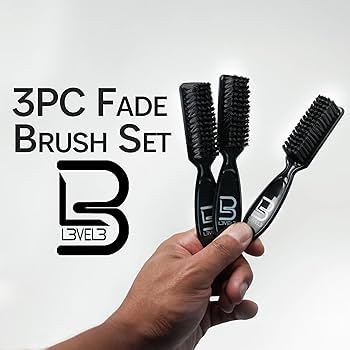
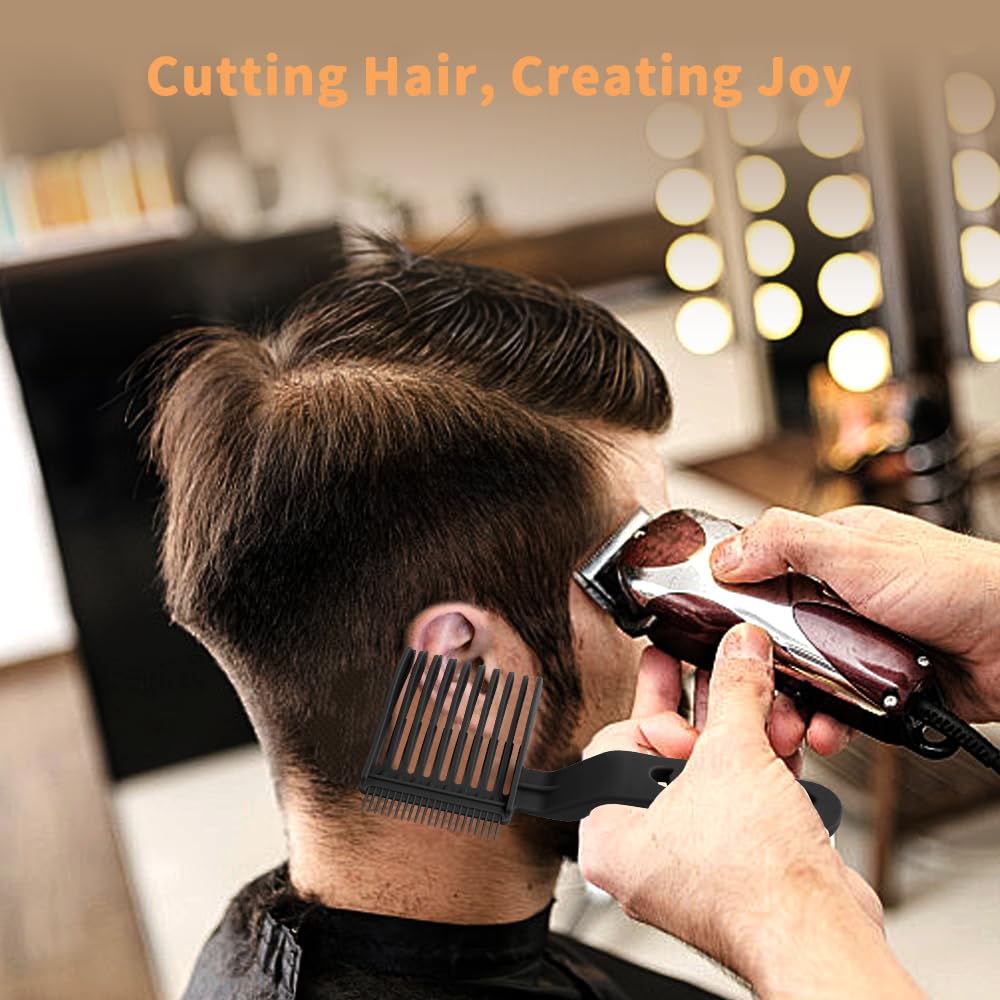
Use these product recommendations as a starting point, then choose the size, material, and price point that fit how you actually use the gear.

As an Amazon Associate, we may earn from qualifying purchases.
No comments yet. Be the first to share your thoughts!