
Fade Styles: A Visual Guide
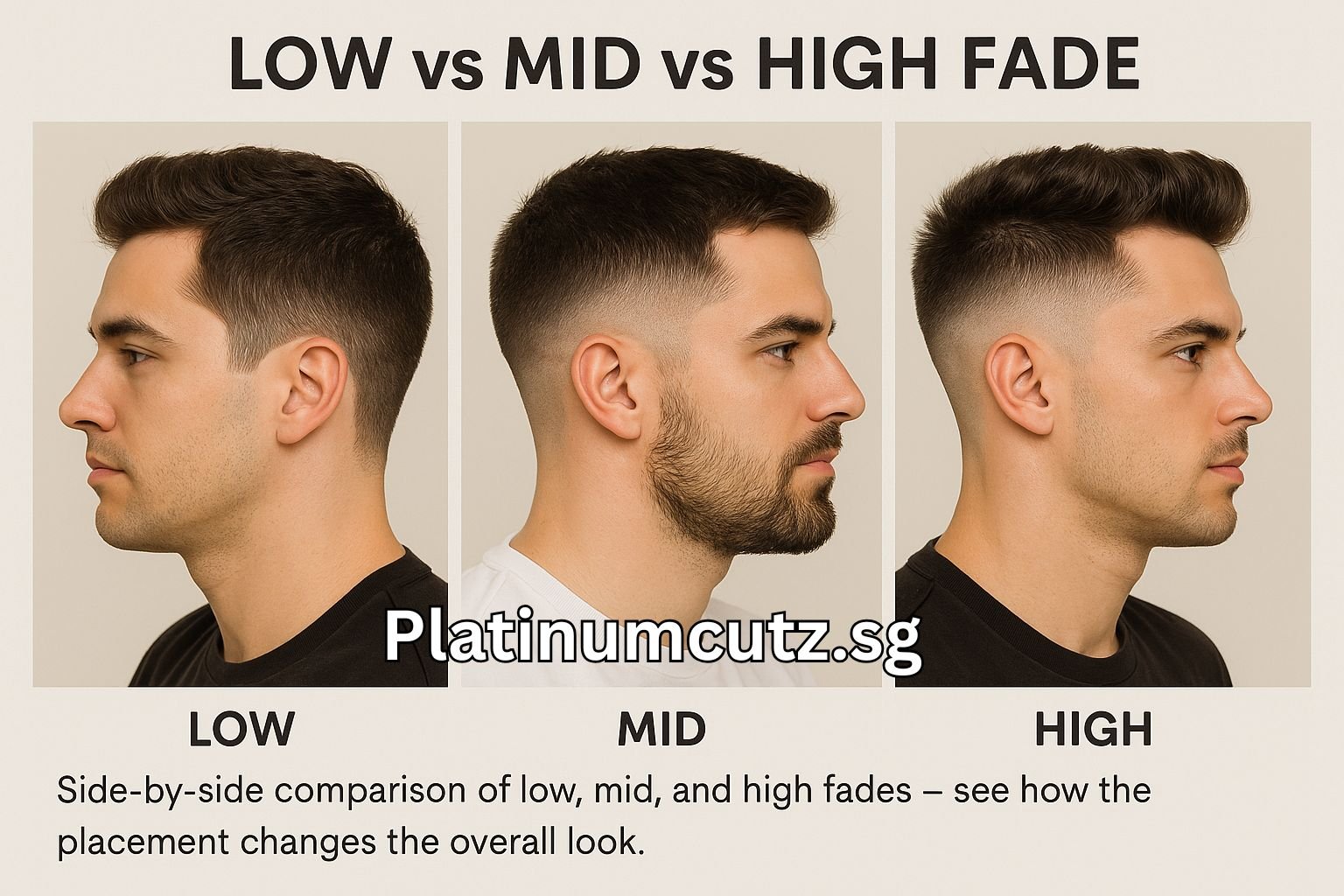
A fade is a haircut that gradually shortens the hair from the crown of the head down to the neckline, creating a blended effect. The three main types – low, mid, and high – differ in where this tapering begins, which dramatically alters the overall aesthetic.
Choosing the right fade harmonizes with your face shape and personal style. A low fade offers a subtle, classic look, while a high fade makes a bold statement. The mid fade strikes a balance, offering versatility.
A well-executed fade provides a clean, modern base for various styles, from textured crops to sleek comb-overs. It’s a relatively low-maintenance option.
Low Fade: Subtle and Classic
The low fade is characterized by its starting point, typically around the temple or slightly below. This creates a very gradual transition from longer hair on top to shorter hair on the sides and back. It’s a more conservative option, maintaining a traditional feel while still offering a modern edge.
This fade is flattering for individuals with rounder face shapes, as the lower starting point adds length and definition. It doesn't dramatically alter the overall silhouette, making it a safe and stylish choice for those hesitant to try bolder looks. It’s also a solid pick for a professional appearance; it’s clean and understated.
A low fade pairs well with classic side parts, textured crops, and longer, flowing styles. It’s subtle enough to work in many settings, from the office to a night out. A low fade looks sharp with a clean part and a medium-hold pomade for a polished finish.
Maintaining a low fade requires trims every two to three weeks to keep the line clean. Using a quality trimmer at home between barber visits can help maintain the shape, but be cautious to avoid going too high up the sides.
Mid Fade: The Versatile Sweet Spot
The mid fade is arguably the most popular fade style, and for good reason. It begins midway between the temple and the ear, creating a balanced and universally flattering look. It’s not as dramatic as a high fade, but it’s noticeably more defined than a low fade.
It adapts well to different hair types and lengths on top. Whether you prefer a short, textured style or something with more volume, a mid fade can complement it. It offers a modern look without being overly trendy.
This fade works well with almost any face shape. It adds definition to rounder faces and softens the angles of square faces. It’s also a great choice for those with textured hair, as the fade enhances the contrast between the shorter sides and the natural texture on top. Matte clay or paste works well for styling textured hair with a mid fade.
The mid fade needs trims every one to two weeks to maintain its sharpness. Blending is key with this style, ensuring a smooth transition between the faded sides and the longer hair on top. Regular barber visits are essential for keeping it looking its best.
- American Crew Fiber: Provides strong hold and a matte finish, ideal for textured styles.
- Layrite Cement: Offers a firm hold for creating defined looks.
- Suavecito Pomade: A classic pomade for a slicked-back or side-parted style.
Featured Products

Medium hold · Medium shine · Works like hair gel
This cream provides a reliable medium hold and natural shine, perfect for achieving a clean mid fade.
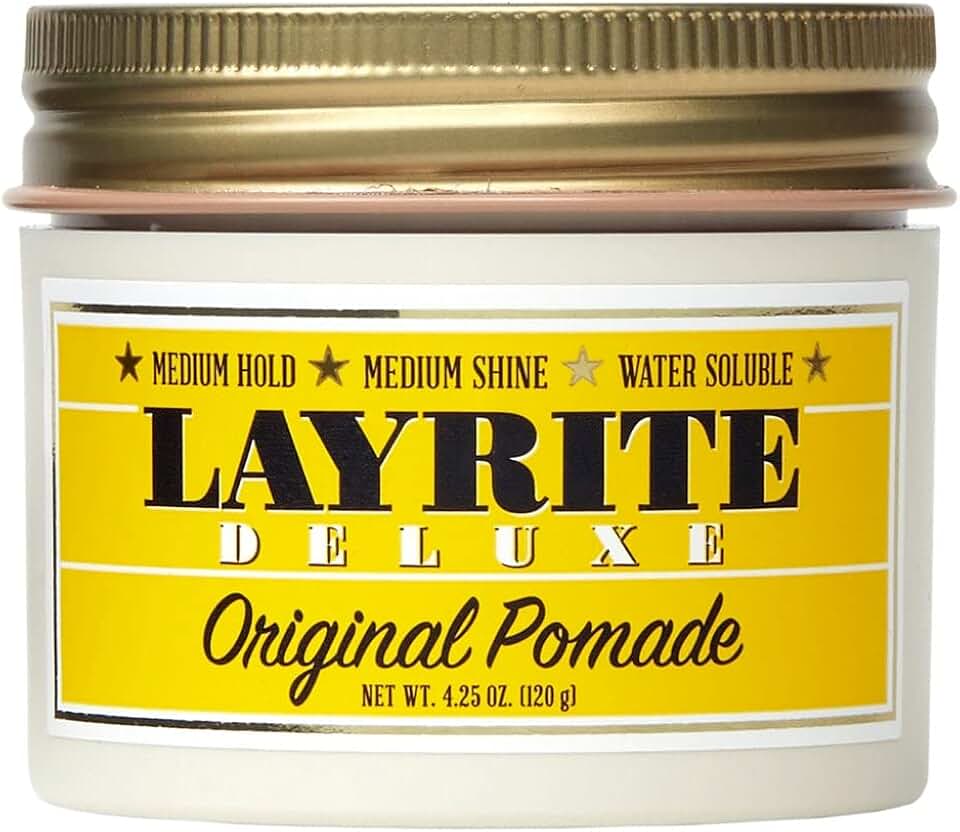
Original pomade formula · Medium hold · Classic shine
Layrite Original Pomade offers a classic medium hold and shine that helps define and maintain the crisp lines of a mid fade.

Matte finish · Medium hold · Water-soluble and easy to wash out
Achieve a natural, matte look with medium hold that keeps your mid fade sharp without stiffness or flaking.

Strong hold · Matte finish · Texturizing and thickening properties
This clay pomade delivers strong, all-day control with a matte finish, ideal for adding definition to a mid fade.

High hold · Ultra-matte finish · Dry shampoo properties for texture
Hanz de Fuko Quicksand offers a high hold and an ultra-matte finish, perfect for adding texture and definition to a modern mid fade.
As an Amazon Associate I earn from qualifying purchases. Prices may vary.
High Fade: Bold and Modern
The high fade makes a statement. It starts high above the temple, creating a significant contrast between the very short sides and the longer hair on top. This is the most dramatic of the three fade styles, and it’s not for everyone.
A high fade complements square or oblong face shapes, adding width and balance. It can also work well for those who want a more edgy, fashion-forward look. However, it can accentuate a wider forehead or a very prominent jawline, so consider your facial features.
This fade is best paired with hairstyles that have significant volume on top, such as pompadours, quiffs, or textured crops. The contrast between the short sides and the full top creates a dynamic and eye-catching look. Strong-hold pomade or wax is essential for achieving and maintaining these styles.
Expect frequent barber visits with a high fade – every one to two weeks – to keep the line sharp and defined. The high contrast means that growth is more noticeable, and a poorly maintained high fade can quickly lose its shape. It requires commitment to maintain its impact.
Hair Type and Fade Choice
Your hair texture plays a role in how a fade will look. Straight hair showcases the clean lines of a low fade effectively, creating a polished and refined appearance. The sharpness of the fade is more pronounced with straight hair.
Wavy hair benefits from a mid fade, as it adds texture and volume without being overwhelming. The fade enhances the natural movement of the waves, creating a dynamic and effortless look. Textured pomade or sea salt spray can help accentuate the waves.
Curly and coily hair types often look best with a mid to high fade. The fade provides a clean contrast to the curls, preventing the hair from looking too bulky. It also allows the curls to take center stage. Find a barber experienced in fading textured hair to avoid uneven results.
Coarser hair textures can handle a higher fade without looking sparse, while finer hair textures may benefit from a lower fade to avoid exposing the scalp. Regardless of texture, communicate your desired look clearly to your barber, and be open to their professional advice.
Fade Type Compatibility with Hair Texture
| Hair Texture | Low Fade | Mid Fade | High Fade |
|---|---|---|---|
| Straight | Looks clean and defined; enhances a sleek appearance. | Offers a balanced transition; maintains a polished look. | Can appear stark; requires precise blending to avoid a harsh line. |
| Wavy | Provides a subtle contrast; complements natural wave patterns. | Adds shape and definition to waves; a versatile choice. | Can accentuate waves and create volume, but may require more styling. |
| Curly | Requires skilled blending to avoid unevenness; best with slightly longer lengths on top. | Offers a good balance between fade and curl definition; a popular option. | Can sometimes disrupt curl pattern at the hairline; requires careful execution. |
| Coily | Can be challenging to blend seamlessly; best suited for textured styles with length. | Provides a noticeable contrast; can work well with textured styles. | May require frequent touch-ups to maintain the fade line; best with shorter, well-defined coils. |
Illustrative comparison based on the article research brief. Verify current pricing, limits, and product details in the official docs before relying on it.
Fade Maintenance: Keeping It Sharp
Maintaining your fade between barber visits keeps it looking its best. For all fade styles, regular trimming at home can help maintain the shape. Investing in a good quality trimmer with adjustable guards is a good investment.
The frequency of trims depends on your hair growth rate and the type of fade you have. Low fades can go longer between trims – around three to four weeks – while high fades require more frequent attention – every one to two weeks.
Blending the fade is essential. If you’re trimming at home, use a light touch and blend the hairline gradually to avoid creating harsh lines. A blending brush can help soften the transition. Don’t attempt to recreate the entire fade yourself; focus on maintaining the existing shape.
Product usage is also key. Use a product appropriate for your hair type and desired style. Avoid using too much product, as this can weigh down the hair and make the fade look greasy. Light-hold product is often sufficient for maintaining the shape and texture.
- Trim regularly: Every 1-4 weeks depending on fade style.
- Use a quality trimmer: Invest in adjustable guards.
- Blend carefully: Avoid harsh lines.
- Choose the right product: Light-hold for best results.
2026 Fade Trends: What's Coming
Trends show a move towards softer fades and more textured tops. According to hair.com's 2025 trends, the emphasis is shifting away from aggressively sharp lines and towards more blended, natural-looking fades.
Pinterest data from late 2024 and early 2025 indicates a growing interest in fades paired with textured crops and messy, undone styles. This suggests a move away from overly polished looks and towards a more relaxed, effortless aesthetic. Men are opting for styles that require minimal styling effort.
We’re also seeing a resurgence of the taper
Another emerging trend is the combination of fades with natural hair textures. Embracing curls, waves, and coils is becoming increasingly popular, and fades are being used to enhance and complement these natural textures. I’m not sure we’ll see radically different fades, but a softening and texturizing of current styles seems likely.

No comments yet. Be the first to share your thoughts!