

Match the cut to your texture
Your hair texture determines how a haircut falls, how much it moves, and how often you need to style it. Straight, wavy, curly, and coily hair each have distinct growth patterns and densities that require specific fade heights and top lengths to look sharp. Using the wrong cut for your texture often results in flat tops, uneven fades, or excessive bulk.
Start by identifying your natural texture. Straight hair lies flat and offers less volume, making it ideal for high-contrast fades that add structure. Wavy hair has a natural "S" shape that provides medium volume and movement, working well with mid-fades that balance the sides with a textured top. Curly hair forms tight rings or coils, creating significant volume that can overwhelm narrow fades; low to mid-fades with ample top length allow curls to expand without puffing out the sides. Coily hair is tightly coiled and shrinks when dry, requiring careful consideration of shrinkage and neckline cleanup to maintain a clean silhouette.
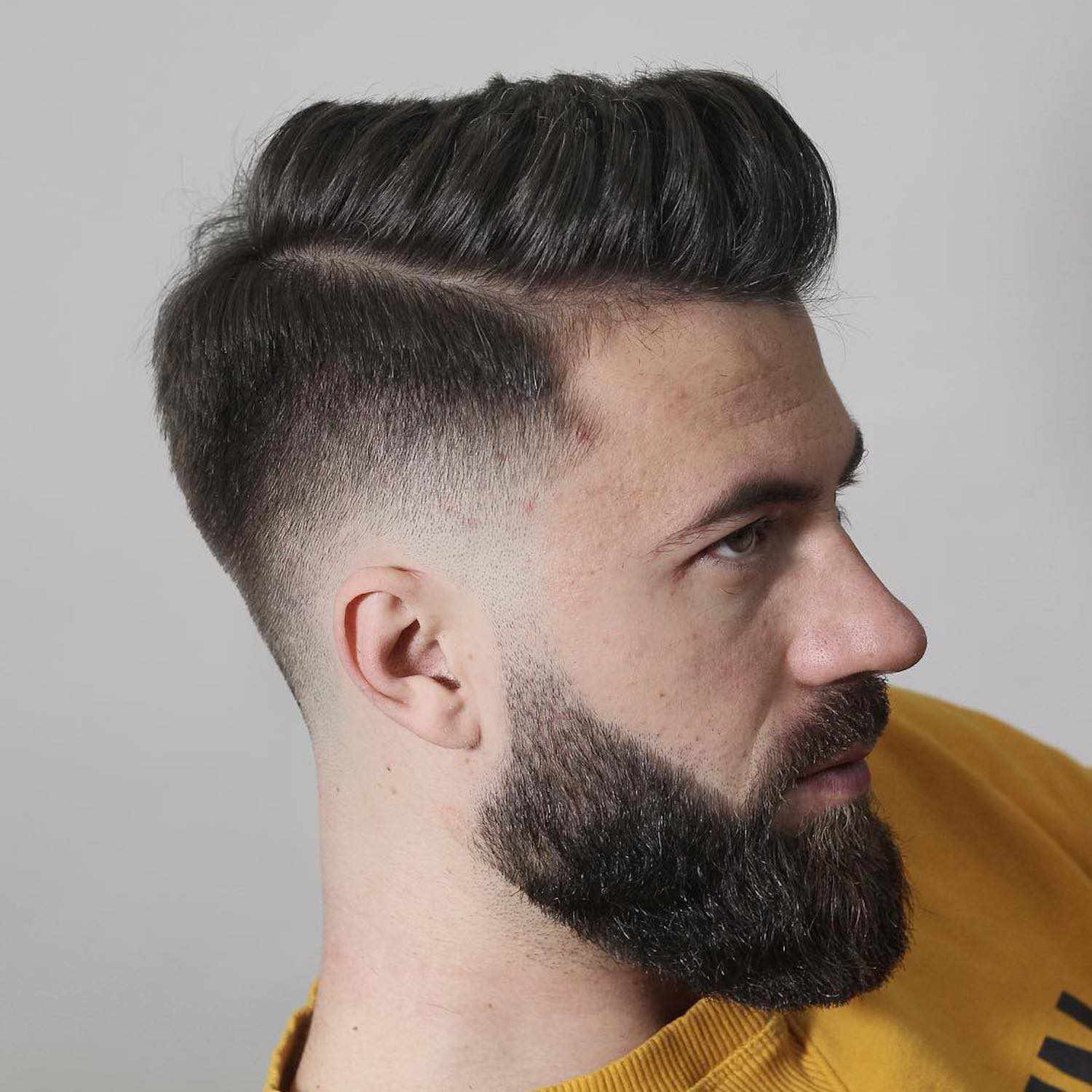
Once you know your texture, match the fade height to your density. High fades work best for straight and wavy hair because they create a sharp contrast that compensates for flatness. Low and mid-fades are safer for curly and coily textures, as they blend more gradually with the natural volume of the curls. Avoid high fades on dense curly hair unless you want a stark, aggressive look, as the transition can appear too harsh. Always show your barber a reference photo of your specific texture to ensure they understand how your hair will fall after the cut.
Match the fade level to your hair texture
Choosing the right fade is less about trends and more about geometry. The height of the fade changes the visual weight of your head shape and how your specific hair texture sits on the sides. A low fade keeps weight low for a conservative look, while a high fade exposes more scalp to create a sharper, more angular silhouette. Matching this height to your hair type ensures the cut stays balanced as it grows out.
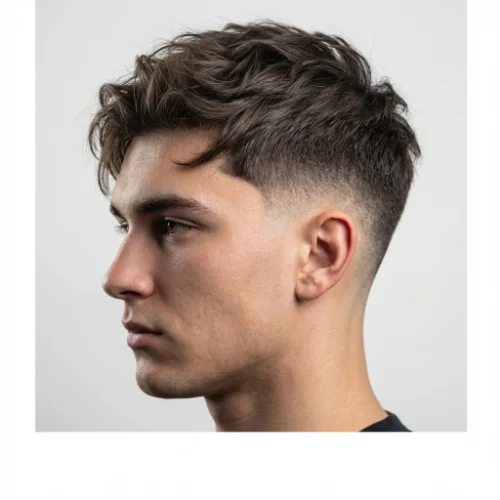
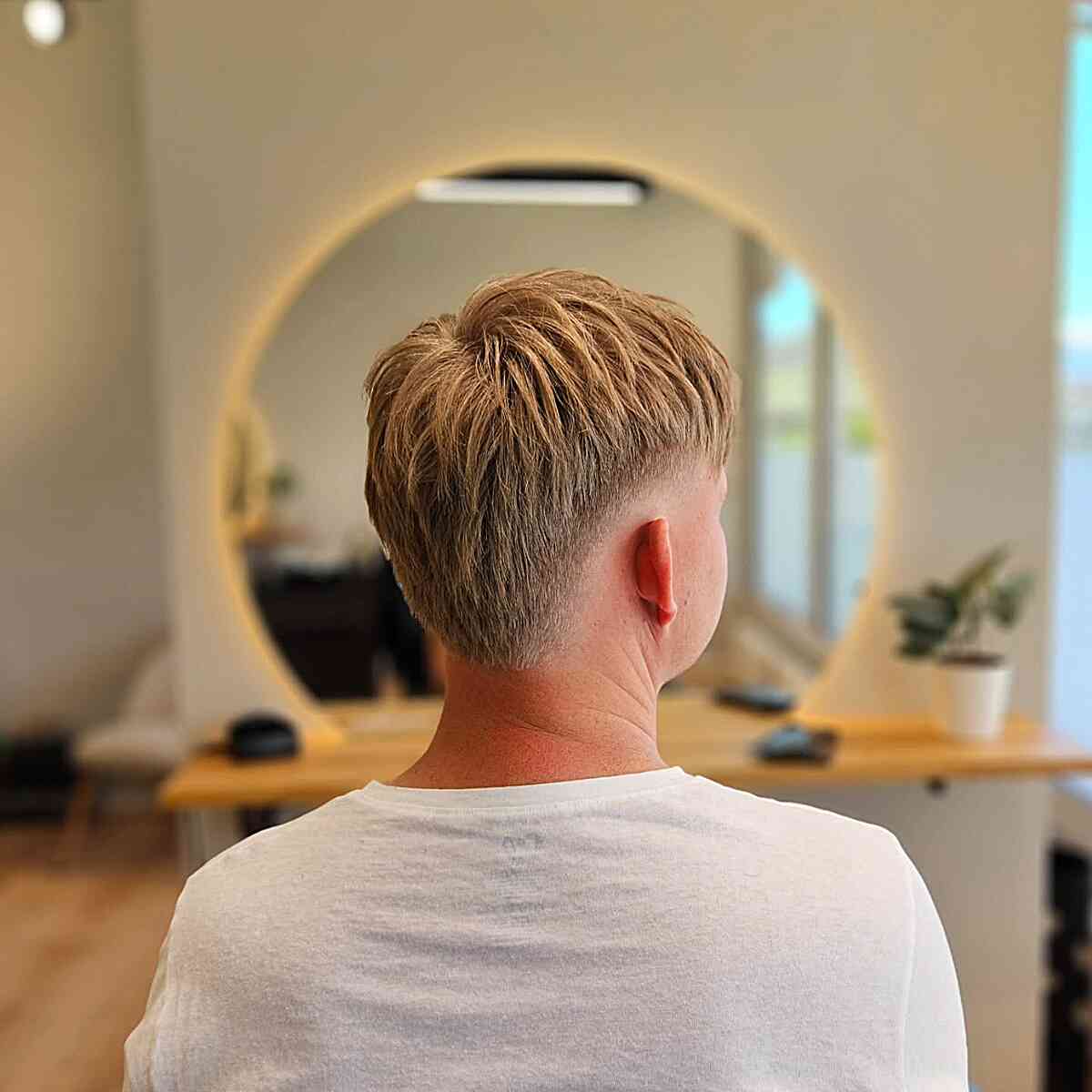
A low fade starts blending just above the ear and temple. This level is ideal for thick, coarse, or curly hair because it leaves enough length on the sides to prevent the "mushroom" effect where curly hair puffs out. It provides a clean transition without exposing too much scalp, making it a low-maintenance option for daily styling. The gradient begins near the bottom of the hairline, keeping the focus on the top volume.
The mid fade begins around the midpoint of the head, typically above the temples. This is the most versatile option, working well for straight, wavy, and moderately thick hair. It offers a noticeable contrast between the sides and top without being as aggressive as a high fade. For wavy hair, this height allows the wave pattern to settle naturally on the sides while maintaining a sharp outline around the ears and neck.
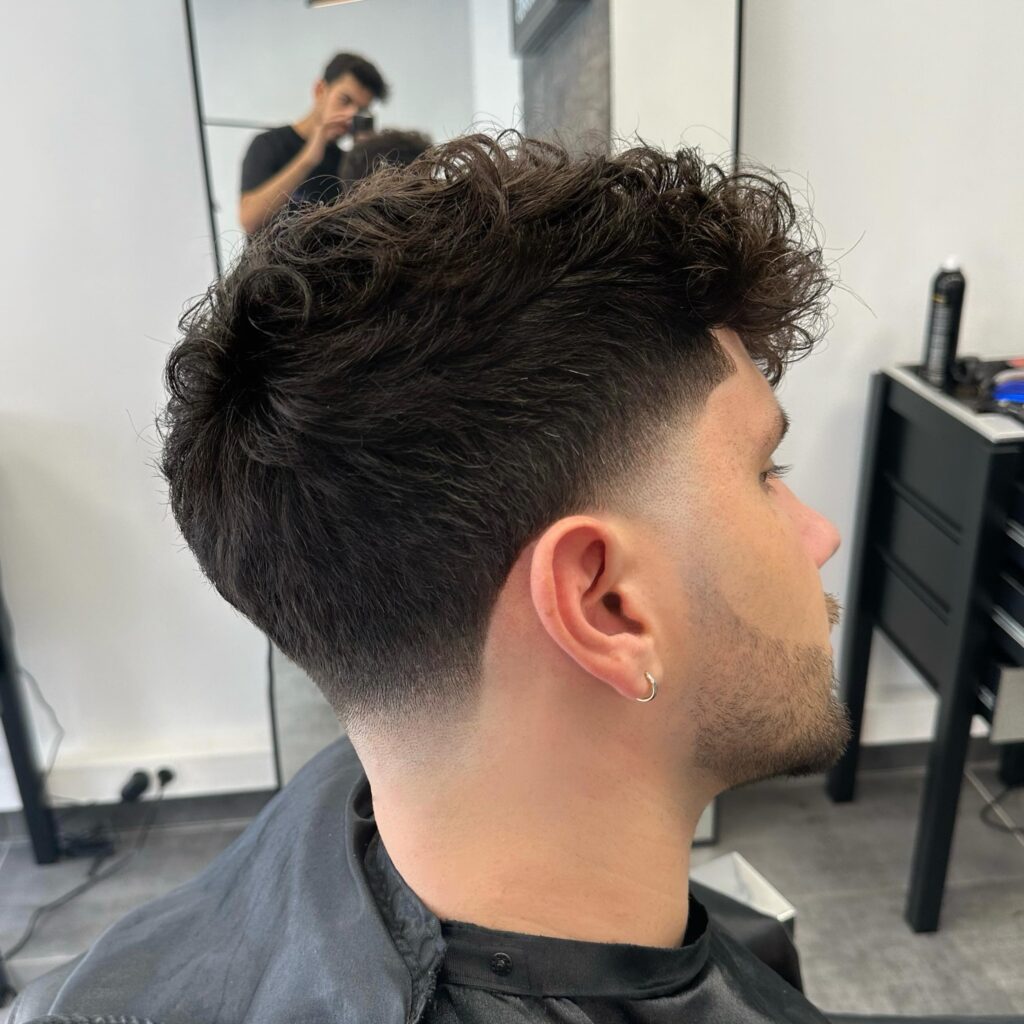
A high fade starts blending near the parietal ridge, well above the temples. This style creates a strong, angular look that works best with straight or slightly wavy hair that can be kept flat against the head. For thick hair, a high fade requires more frequent maintenance to keep the sides from looking bulky. It draws the eye upward, elongating the face and emphasizing the structure of the jawline.
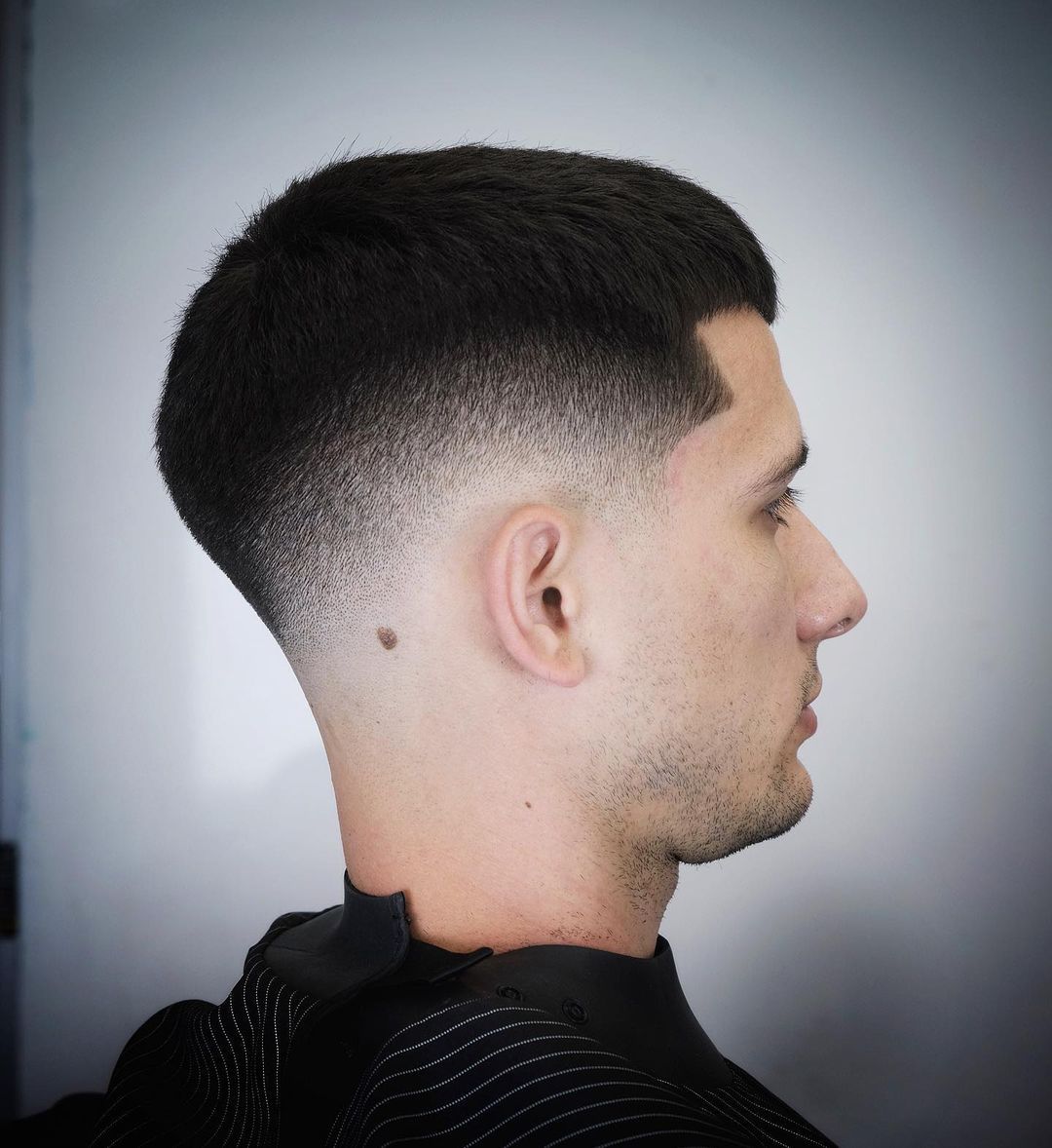
A skin fade blends all the way down to bare skin, offering the highest possible contrast between the sides and the top. This is excellent for coarse or curly hair types that tend to stick out, as it removes all side volume. It requires the most upkeep, typically needing a touch-up every two weeks to maintain the clean line. Choose a low skin fade for a softer look or a high skin fade for a bold, dramatic statement.
Once you select the fade height, communicate it clearly to your barber. Bring a photo of the specific fade level you want, as terms like "low" or "mid" can vary between shops. Ask for a "taper" if you want a softer transition, or a "fade" if you want a distinct gradient. For home maintenance, use clippers with a guard one size higher than the fade line to blend any awkward growth between visits.
Style the top for your density
The top section of your haircut carries the visual weight. How you style it determines whether the fade looks sharp or messy. The goal is to work with your hair's natural volume, not fight it. Use the right product and technique to create separation and hold.
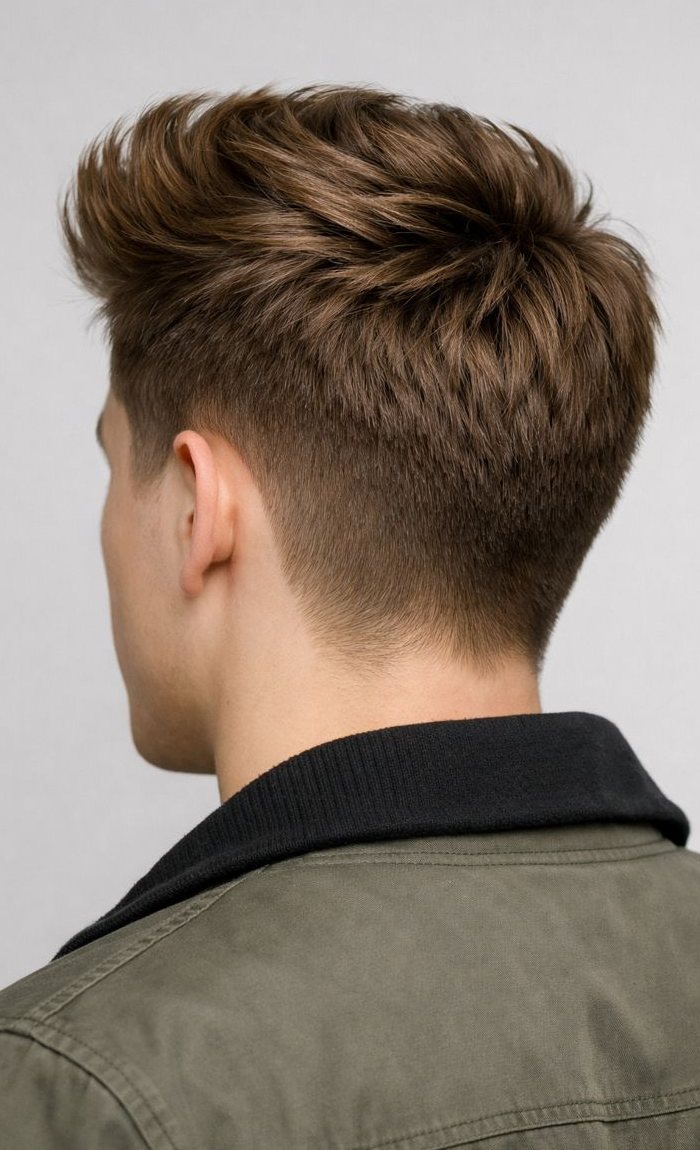
Thick hair needs strong hold. Use a matte clay or fiber paste to control volume without shine. Thin hair requires a lighter touch. A sea salt spray or light pomade adds texture without weighing strands down. Avoid heavy oils, which make fine hair look greasy and flat.
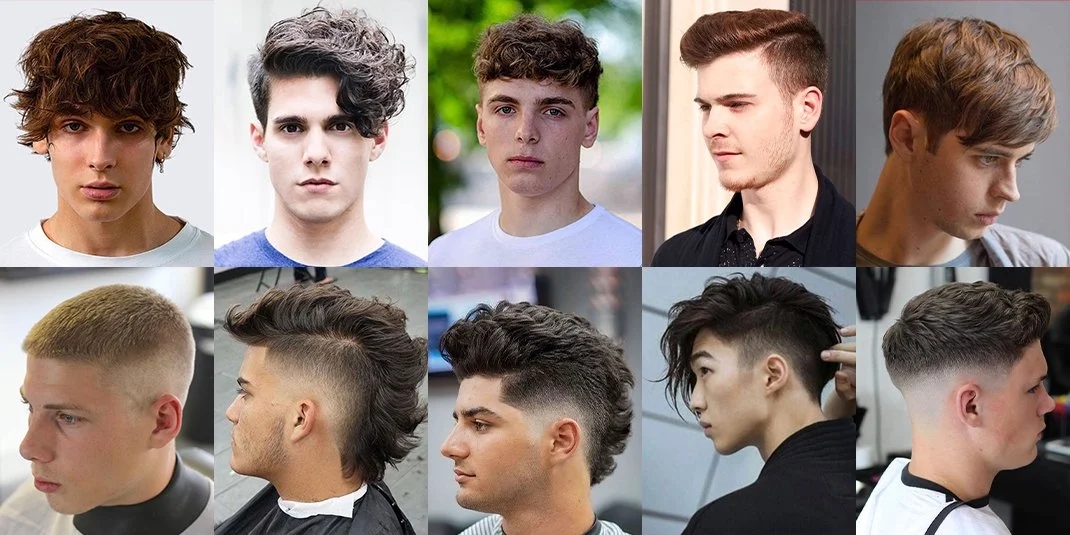
Start with hair that is 80% dry. Rub a dime-sized amount of product between your palms until it disappears. Apply from the roots to the tips. This ensures even distribution. If you apply to soaking wet hair, the product dilutes. If you apply to bone-dry hair, it clumps unevenly.
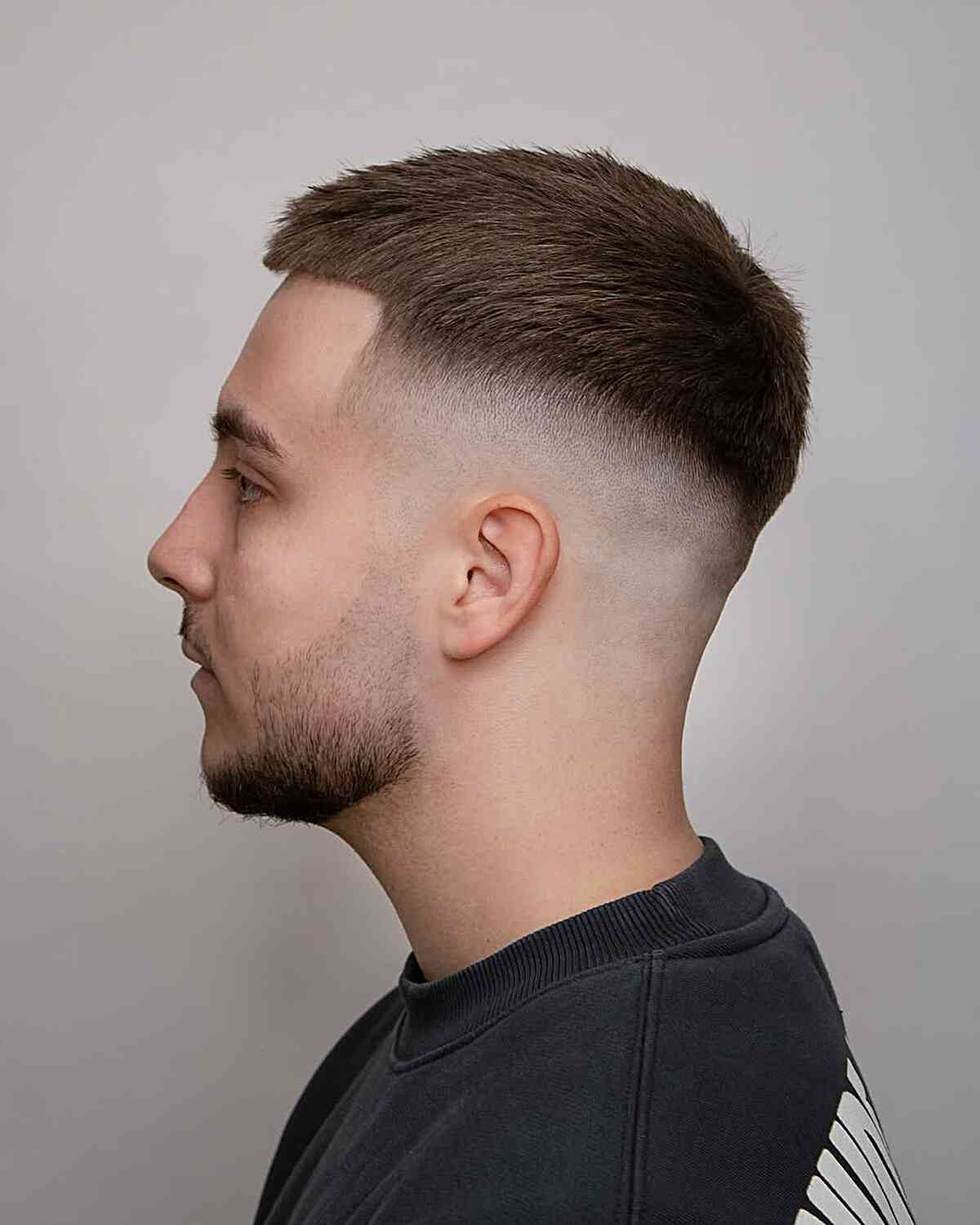
Use your fingertips to lift and twist small sections of hair. Do not comb it flat. Combing destroys the natural separation that gives a modern look. For a textured fringe, push the hair forward and slightly to the side. For a short crop, spike the tips up and out. The goal is intentional messiness, not chaos.
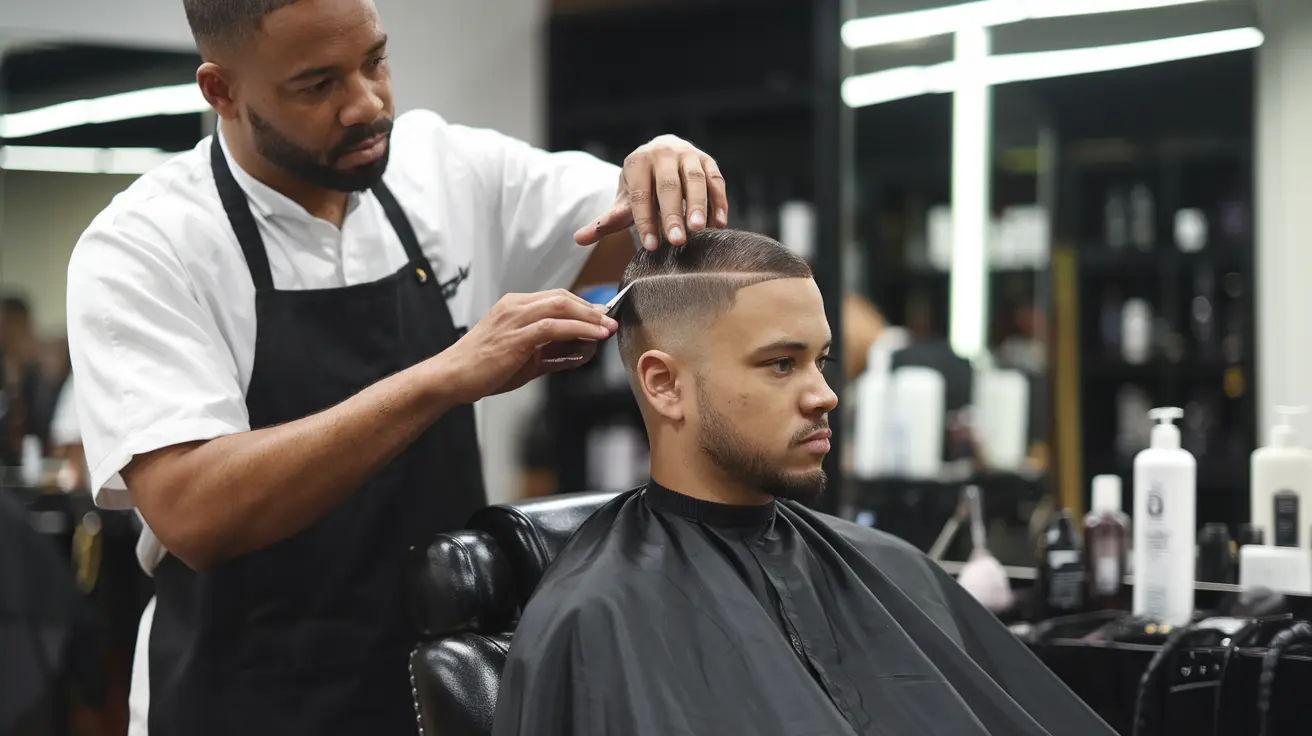
If your hair is thick or curly, finish with a light mist of hairspray. Hold the can 10 inches away. This adds longevity without making the hair crunchy. For thinner hair, a light-hold pomade is usually enough to last through the day. Avoid heavy gels, which leave a stiff, dated finish.
Not every top style works with every hair type. The table below matches common top styles to hair density and required products. Use this as a quick reference when deciding how to style your cut.
| Top Style | Best Hair Type | Recommended Product | Key Technique |
|---|---|---|---|
| Textured Fringe | Straight to Wavy | Matte Clay | Push forward, separate with fingers |
| Curtain Bangs | Wavy to Curly | Sea Salt Spray | Part in middle, lift roots |
| Short Crop | Thick or Coarse | Fiber Paste | Spike tips up and out |
| Slick Back | Straight or Wavy | Light Pomade | Comb back, smooth roots |
Essential tools for home maintenance
You can keep your haircut looking sharp between barber visits by investing in the right equipment. The difference between a DIY disaster and a clean refresh usually comes down to using proper guards and maintaining your tools. Skip the generic drugstore clippers and focus on gear designed for men's hair textures.
Clippers and guards
A quality clipper set is the foundation of home maintenance. Look for models with self-sharpening blades and adjustable tension knobs to handle different hair densities. Always use the correct guard size to avoid cutting too short; starting with a longer guard and working down is safer than guessing. For most styles, having guards ranging from 1mm to 25mm covers the majority of maintenance needs, allowing you to blend and taper edges without a professional.
Styling products
Product choice depends entirely on your hair type. For straight or fine hair, a light sea salt spray adds texture without weighing it down. Thick or curly hair often requires a heavier pomade or cream to control frizz and hold shape. Avoid alcohol-based gels that dry out your hair; instead, opt for water-based formulas that wash out easily and allow for restyling throughout the day.


As an Amazon Associate, we may earn from qualifying purchases.
Common fade mistakes to avoid
Even with the right clippers, a fade can look messy if the technique isn't precise. The most frequent error is leaving visible lines where different guard lengths meet. This happens when you don't blend the sections smoothly, resulting in a "shelf" effect that looks unfinished. Another common issue is uneven symmetry, where one side sits higher or lower than the other.
To prevent harsh demarcations, use a longer guard as you move up from the skin. Think of the fade as a gradient, not a series of steps. Always check your work in a mirror to ensure both sides match before finishing.
Use a longer guard to blend the area just above the initial skin line. Move the clipper in a C-shaped motion to soften the edge.
Compare both sides frequently. If one side is higher, trim the other to match or blend the lower side upward.
Clean up the neckline with a trimmer. Keep it natural or straight depending on your style, but ensure it is even.
Men's Haircut Maintenance and Care
Keeping a cut looking sharp requires routine upkeep, but the frequency depends entirely on your hair type. Straight hair tends to show every millimeter of growth, often requiring trims every two to three weeks to maintain crisp lines. Curly and coily textures grow more slowly and hide length loss, so you can typically stretch that interval to four weeks or longer without losing shape.
Product selection is just as important as the cut itself. For wavy or straight hair, a light sea salt spray or matte paste adds texture without weighing strands down. If you have thick, curly hair, a leave-in conditioner or curl cream helps define patterns and reduces frizz. Avoid heavy oils on fine hair, as they can make it look greasy and flat within hours.
When you visit the barber, ask them to show you how to maintain the specific layers you requested. A good stylist will demonstrate exactly how much product to use and which direction to comb or scrunch. This small step ensures your at-home styling matches the salon result.
No comments yet. Be the first to share your thoughts!