

Get low taper fade thick right
A low taper fade works by blending the hairline down the sides and back while leaving the bulk of thick hair intact on top. The cut relies on a gradual reduction in length rather than a sharp disconnect, which prevents the sides from looking too thin or sparse. For thick hair, the goal is to manage volume without sacrificing the natural texture that makes the style distinctive.
Before booking an appointment, consider your hair’s natural pattern. Wavy, curly, or coily hair behaves differently when it dries, so a fade that looks balanced on wet hair might shrink or puff out later. Bring photos of the exact taper line you want, but also be open to your barber’s advice on how much length to leave on top to maintain that shape.
The fade itself starts low, just above the ears, and tapers down toward the nape. This placement keeps the haircut conservative enough for professional settings while still offering a modern edge. Thick hair can support a slightly longer taper line without looking overwhelming, giving you more flexibility in how you style the top.
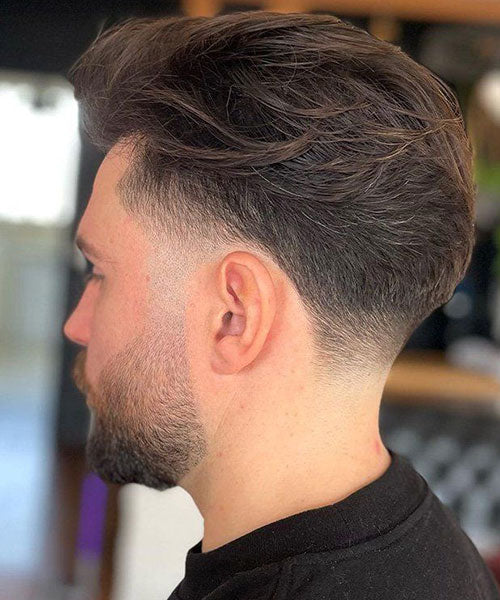
Step-by-step guide to a low taper fade for thick hair
Thick hair holds weight, which means a low taper fade needs precise tension control. The goal is to remove bulk from the sides and back without creating a harsh shelf that fights against the density on top. We will walk through the cut in order, from the initial guideline to the final cleanup.
Start by parting the hair to find the natural recession point of the hairline. For thick hair, the taper line should sit slightly higher than a standard fade to account for the volume that will settle once the hair dries. Use a comb to draw a clean, horizontal guideline around the head, ensuring it stays level. This invisible line dictates where the fade begins and prevents the sides from looking too heavy or boxy.
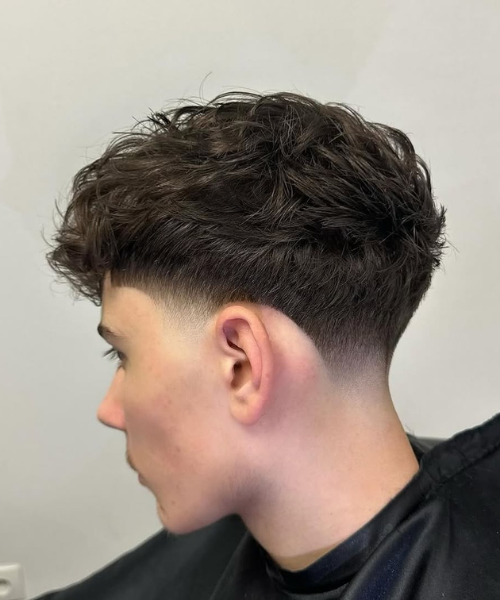
Attach a #3 or #4 guard to your clippers and cut against the grain to remove the initial bulk. Thick hair requires more aggressive bulk removal than fine hair to allow the fade to blend smoothly. Work in vertical sections, moving from the nape up to your guideline. Keep the clippers flat against the scalp to ensure an even cut. Do not skip this step; leaving too much length at the base will make blending the lower fade impossible later.
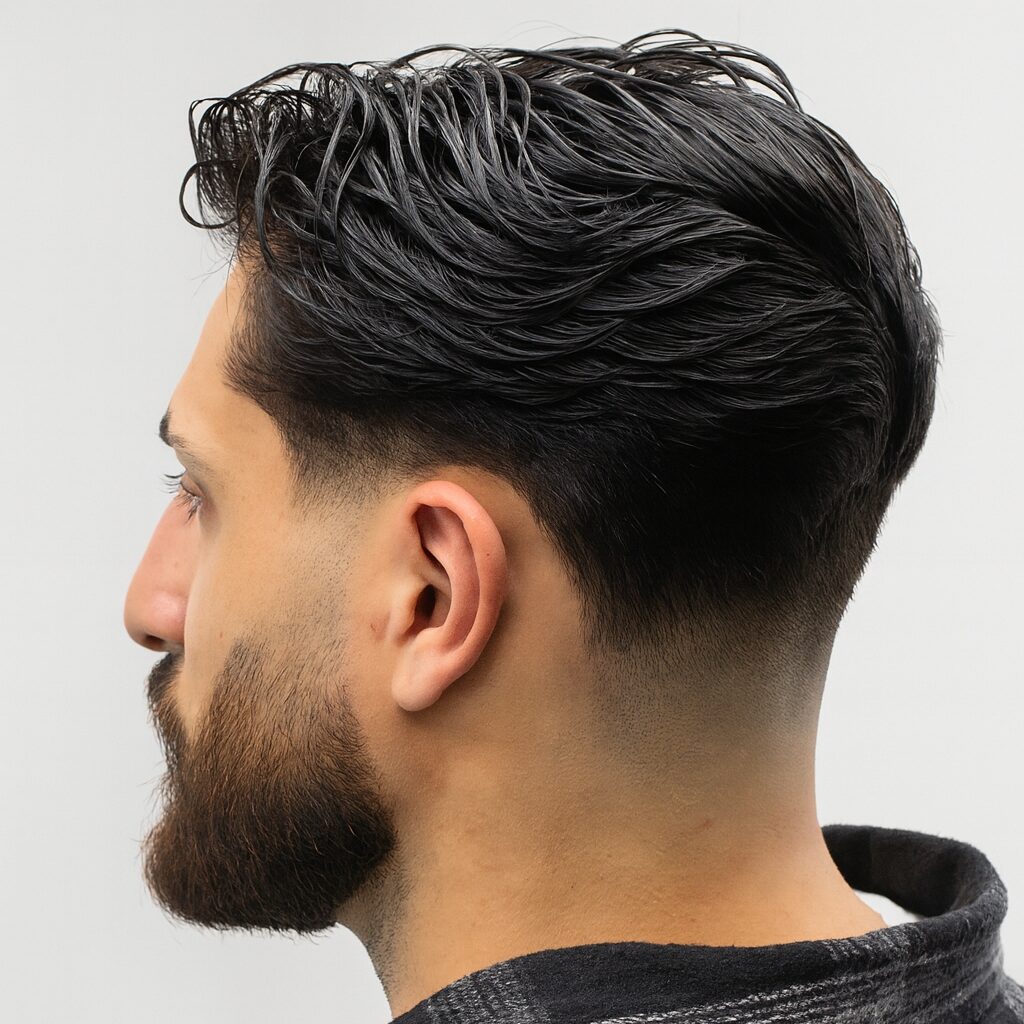
Switch to a #2 guard and overlap the previous cut by about half an inch. This creates the first step in the gradient. Use a "flicking" motion at the wrist to feather out the hard line created by the larger guard. For thick hair, you may need to go slightly shorter here to compensate for the density. Check the symmetry frequently by stepping back and viewing the cut from both sides and the back.
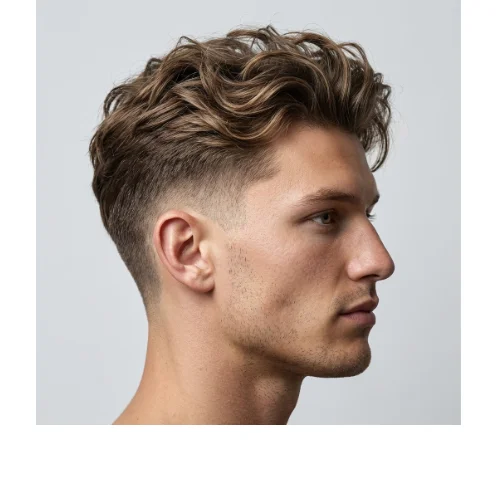
Now you are working without a guard. Start with the lever open to blend the #2 area into the skin, then close the lever for the lowest part of the fade. Use a C-shaped motion with the clippers, moving upward in small arcs. Thick hair often has a "shelf" effect where the density changes abruptly; use the corner of the clipper blade to carve out this shelf. Be patient here—this is where the fade either looks professional or messy.
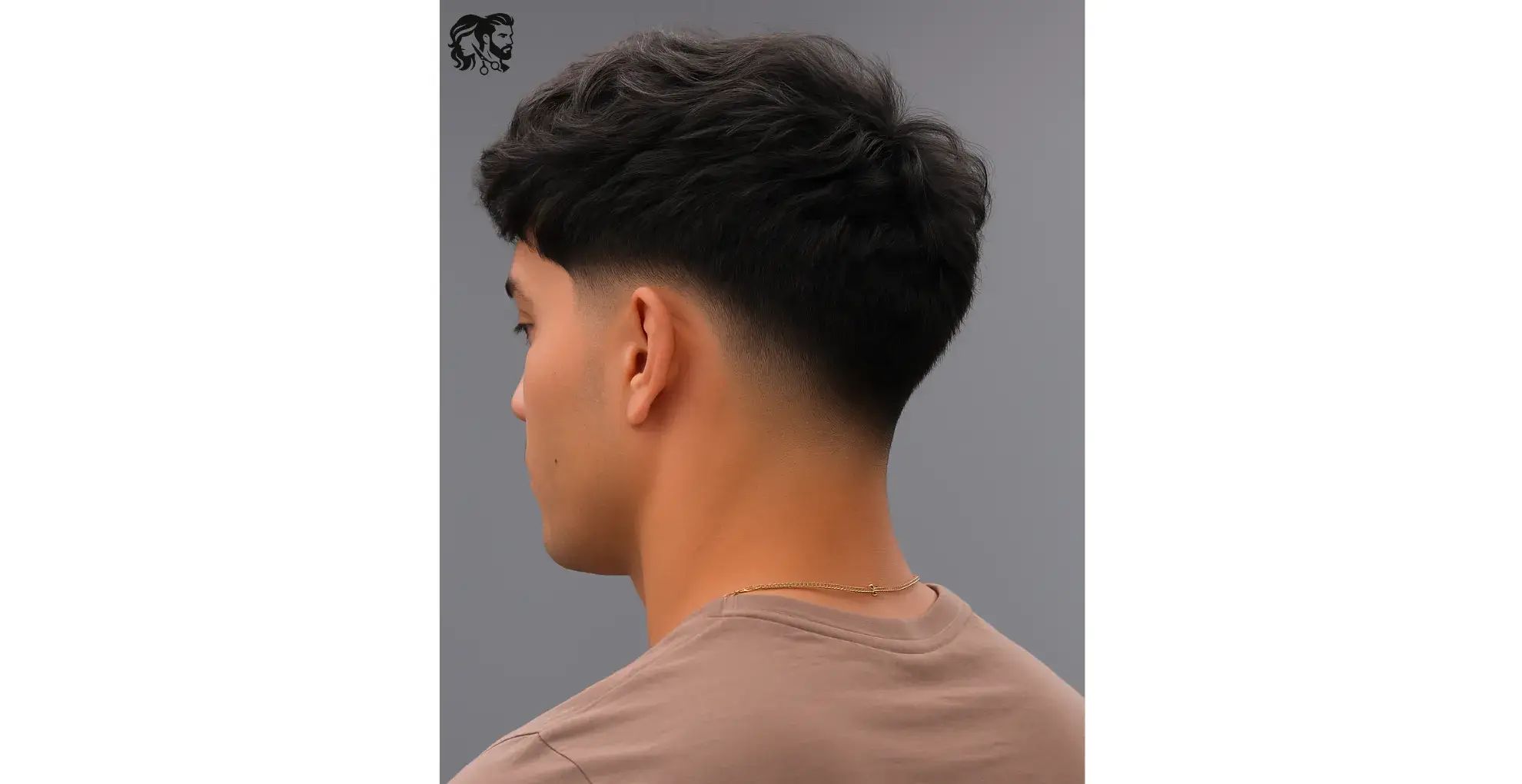
Use a trimmer to clean up the neckline and around the ears. For thick hair, a straight or slightly curved neckline works best to anchor the style. Remove any stray hairs outside the natural hairline. If you are doing a low drop taper, follow the natural curve of the ear down to the nape. Ensure the edges are sharp but not over-thinned, as thick hair can look sparse if the edges are cut too close to the skin.
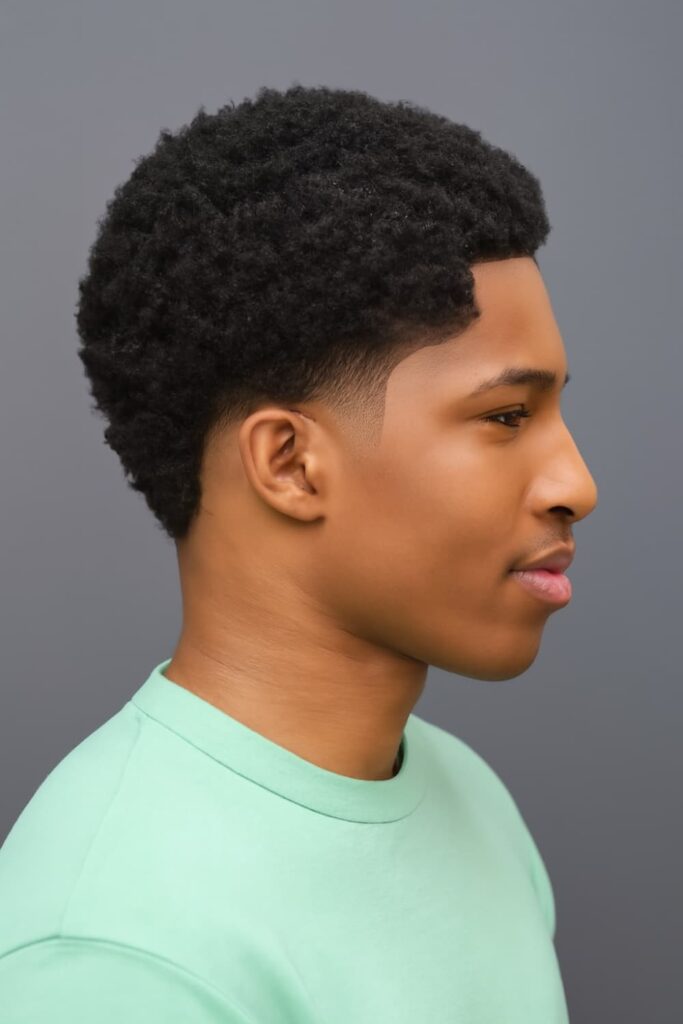
Switch to scissors or thinning shears for the top section. Thick hair needs point cutting to remove internal weight without sacrificing length. Cut into the hair vertically to create separation and movement. This prevents the top from looking like a heavy helmet. Leave enough length on top to style, whether you prefer a textured crop, waves, or a slicked-back look. The contrast between the faded sides and the textured top is what makes this style work.


As an Amazon Associate, we may earn from qualifying purchases.
Fix common mistakes
A low taper fade is one of the most forgiving cuts for thick hair, but it requires precision to avoid looking bulky or unkempt. The difference between a sharp, modern silhouette and a messy, heavy look often comes down to a few common barbering errors. Understanding these pitfalls helps you communicate what you want and maintain the style longer.
Leaving too much weight on the sides
The most frequent mistake is failing to remove enough bulk from the sides before blending. Thick hair has natural density and volume; if the barber leaves too much length at the parietal ridge (where the sides meet the top), the fade will look like a harsh shelf rather than a smooth gradient. This creates a "mushroom" effect that widens the head shape and fights against the clean lines of the taper. The solution is a gradual removal of bulk using texturizing shears or clippers with a guard before the final blending stage.
Blending too high or too low
The "low" in low taper fade is specific. A common error is starting the fade too high, near the temples, which turns the cut into a mid or high fade. This can make the face look longer and expose more of the head shape, which isn't always desirable. Conversely, starting too low can make the transition look disconnected from the rest of the hair. The fade should begin just above the ear and taper down to the neckline, keeping the visual weight centered and balanced. This placement highlights the jawline without overwhelming the features.
Ignoring the neckline
A messy neckline can ruin an otherwise perfect fade. Many barbers leave the neckline too high or cut it in a straight, harsh line across the back of the head. For thick hair, a natural, rounded neckline that follows the natural hairline is usually the best choice. It creates a cleaner, more polished look and allows the hair to grow out more gracefully. A straight, high neckline can make the neck look shorter and the head look boxy, especially as the hair begins to grow out.
Skipping texture on top
Thick hair often needs texture to move and lay correctly. A common mistake is leaving the top too flat or uniform. Without proper texturizing, the hair can look heavy and lifeless, defeating the purpose of the fade. Using thinning shears or point-cutting techniques on the top section helps reduce bulk and adds movement. This allows styling products to work more effectively and gives the hair a more dynamic, modern appearance.
Low taper fade for thick hair: what to check next
Thick hair presents unique challenges for a low taper fade, from bulk removal to daily maintenance. Here are the practical answers to the most common objections before you book your next cut.
No comments yet. Be the first to share your thoughts!