
Low taper fade thick budget
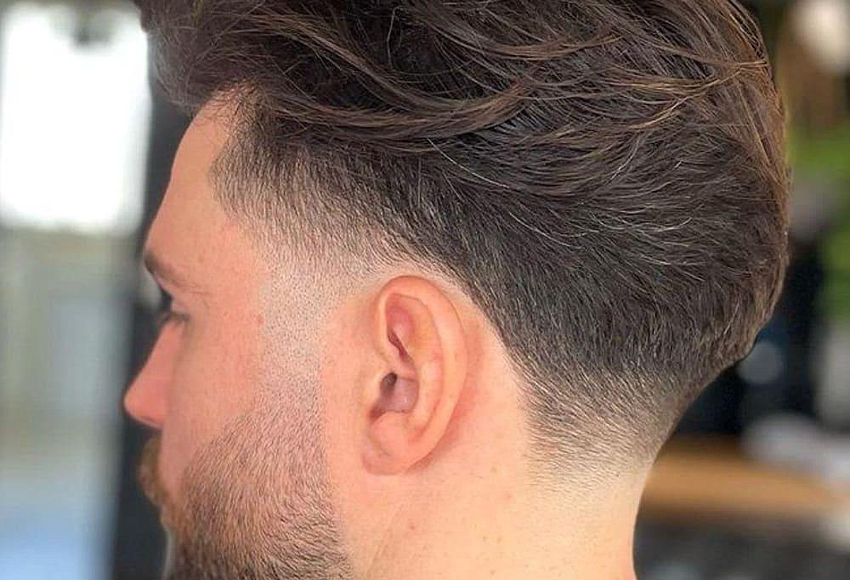
A low taper fade for thick hair is one of the most cost-effective ways to manage dense hairlines. Because the cut stays low and tight around the ears and neckline, it requires less barber time than a high skin fade. This usually translates to a lower price point, often $15 to $30 less per visit than complex fades. For thick hair, this budget-friendly approach keeps the sides clean without sacrificing the volume on top that makes your hair type distinctive.
The tradeoff is visibility. A low taper blends gradually, meaning the transition between the short sides and the longer top is subtle. If you have very coarse or curly thick hair, this subtle blend can sometimes look like a simple trim rather than a sharp fade. You get a polished look that works for professional settings, but you sacrifice the high-contrast, dramatic edge of a higher fade. It is a style that prioritizes low maintenance and natural flow over sharp geometric lines.
To keep this look affordable, invest in the right maintenance products rather than frequent barber visits. A light styling cream or matte clay helps control thick hair without the buildup that weighs it down. Avoid heavy gels that can make thick hair look greasy or stiff. With the right product, you can stretch the time between cuts, making the low taper fade a practical, budget-conscious choice for thick hair management.
Shortlist real options
Finding the right low taper fade for thick hair means balancing volume on top with a clean, controlled transition on the sides. Thick hair has weight, so the cut needs to remove bulk without disappearing into the scalp. The best styles keep the taper low and gradual, preserving enough density on the sides to avoid a disconnected look while letting the top texture breathe.
We compared four strong options that work well for thick hair textures. Each style handles density differently, offering distinct maintenance levels and visual impacts. Use the table below to compare the key tradeoffs before your next appointment.
| Style | Volume Level | Maintenance | Best For |
|---|---|---|---|
| Classic Low Taper | Moderate | Low | Daily wear and low effort |
| Textured Crop | High | Medium | Adding edge to straight thick hair |
| Wavy Taper | High | High | Natural wave patterns |
| Slicked Back Taper | Moderate | Medium | Professional or formal settings |
The Classic Low Taper is the most forgiving option. It keeps the fade starting low near the ears, allowing the thick hair on top to lay naturally. This style requires minimal product and works well if you want to wake up and go. The tradeoff is that it can look a bit plain if you want a sharper, more defined silhouette.
For those who want more definition, the Textured Crop adds significant volume. By cutting the top into layers, you reduce the weight of thick hair while creating a spiky, modern look. This style needs a matte clay or paste to hold the texture in place. It’s ideal if your hair is straight and tends to fall flat without structure.
If your thick hair has natural waves, the Wavy Taper lets those patterns shine. The taper stays low and soft, blending into the curls or waves on top. This requires the most maintenance, including regular moisturizing and diffusing, but it offers the most unique and dynamic look. It’s best for those willing to spend time styling each morning.
Finally, the Slicked Back Taper offers a polished, professional appearance. The hair is kept longer on top and swept back, with a clean low taper on the sides. This style works well for thick hair because it uses the natural weight to create a sleek, controlled shape. It requires a stronger hold product and regular trimming to keep the back neat.
Inspect the expensive parts
A low taper fade for thick hair looks sharp until the maintenance slips. Thick hair holds weight and volume, which means small mistakes in the fade line or neckline can balloon into a bulky, unkempt shape within days. Treating your barber visit as a quality inspection saves money on frequent touch-ups and keeps the style clean longer.
Check the fade transition
The most expensive mistake is a harsh line where the fade meets the longer hair on top. For thick hair, this transition needs to be gradual. If the barber leaves a visible "step" or dark band, it will look like a bad haircut rather than a style. Ask for a soft, blended gradient that disappears into the top. If you see a distinct line, ask them to go back in with clippers and a smaller guard to soften it. This step takes extra time but prevents the "shelf" look that makes thick hair appear wider than it is.
Inspect the neckline and sideburns
Thick hair grows fast and tends to curl outward. The neckline should follow your natural hairline, not a straight horizontal cut across the neck. A messy or overly high neckline makes the head look smaller and the neck thicker. Sideburns should be even and tapered to match the fade. If the sideburns are uneven or too thick, they will stick out and ruin the symmetry. A clean, natural neckline and balanced sideburns frame the face and keep the focus on the fade itself.
Verify the top length
The top of a low taper fade for thick hair needs enough length to lay flat or be styled without standing up like a hedgehog. If the barber cuts the top too short, the thick hair will puff out and lose its shape. Ask for at least 2-3 inches on top for most styles. If you want to slick it back or create a part, you need that extra length. Too short, and you’ll be stuck with messy, unmanageable hair that requires constant product to keep in place.
Look for consistency in the taper
The taper should be consistent around the entire head. Check the area behind the ears and the temples. If one side is faded higher or lower than the other, it will look uneven, especially with thick hair that has volume. Thick hair can hide minor inconsistencies, but a noticeable mismatch is obvious. Ask your barber to check both sides in the mirror before you leave. A consistent taper ensures the style looks balanced from every angle.
Plan for ownership costs
A low taper fade for thick hair looks clean on day one, but the real cost comes from maintenance. Thick hair grows fast and tends to puff out on the sides if left unchecked. Without regular touch-ups, the sharp line of the fade disappears within two weeks, turning a sharp cut into a messy shape that requires a full reset.
Most barbers charge between $25 and $50 for a maintenance trim, depending on your location and the shop's tier. If you visit every three to four weeks to keep the fade crisp, you are looking at roughly $100 to $160 per month. This is the baseline "tax" for keeping the style. Skipping these visits saves money in the short term but often leads to a more expensive corrective cut later when the hair has grown too far out of shape.
Beyond the barber chair, thick hair requires specific products to manage volume and texture. You will likely need a light pomade or cream to control the top and a small bottle of fade maintenance spray or edge control to keep the neckline sharp between cuts. These small recurring expenses add up, so factor them into your monthly grooming budget.
The cheapest option is rarely the best value. A $15 cut might look fine initially, but if the barber lacks the skill to blend thick hair properly, you will need to return for corrections sooner. Investing in a barber who understands thick hair textures reduces the frequency of visits and extends the life of the style, making the higher initial price more economical over time.


As an Amazon Associate, we may earn from qualifying purchases.
Low taper fade thick hair: what to check next
Thick hair offers volume and texture, but it also brings specific maintenance challenges. Before committing to a low taper fade, it helps to understand how your hair type interacts with the cut and the products you’ll need to keep it looking sharp.
No comments yet. Be the first to share your thoughts!