
2026's Professional Hair Landscape
The world of professional hairstyles is undergoing a quiet revolution. Post-pandemic, the rigid expectations of corporate grooming are loosening, replaced by a desire for styles that reflect individuality while still projecting competence. Remote and hybrid work arrangements have certainly played a role, allowing for more relaxed standards, but even in traditional office settings, there's a noticeable shift.
This isn’t to say anything goes. In fact, I'd argue looking intentional with your hair is more important than ever. Personal branding matters, and your hairstyle is a key component of that, even in conservative fields. The overly-formal, slicked-back look is losing favor, replaced by styles that appear modern, approachable, and well-considered.
Two styles are emerging as clear frontrunners for 2026: the textured crop and the modern quiff. Both offer a balance between style and professionalism, but they cater to different preferences and face shapes. They both work exceptionally well with the increasingly popular skin fades, which we'll discuss later. Understanding the nuances of each is crucial for making the right choice for your career and personal aesthetic.
Decoding the Textured Crop
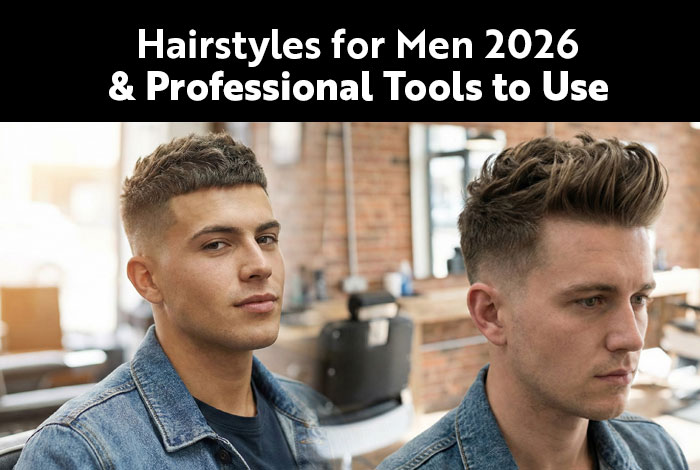
The textured crop is defined by its contrast: shorter sides and back, typically achieved with a fade, and a longer length on top that’s styled with texture rather than slicked down. It’s a relatively low-maintenance style that looks effortlessly cool, which is a big part of its appeal. The texture itself can vary considerably, from a natural wave or slight curl to straight hair styled with product.
The key to a good textured crop is the texture. You can achieve this through cutting techniques – point cutting, texturizing shears – or with the right styling products. It's not a uniform length on top; there needs to be variation to create that lived-in look. It's a style that looks like you woke up looking good, even if it took a little work.
Face shape plays a role. Oval, square, and heart-shaped faces generally suit the textured crop very well. The shorter sides balance out a broader forehead or jawline, while the textured top adds volume and softness. For rounder faces, a textured crop can work, but it requires careful styling to avoid emphasizing roundness. I’ve observed this style is particularly popular with professionals under 35, but it's gaining traction across all age groups.
It’s important to note that a textured crop isn't a one-size-fits-all style. The length, texture, and fade all need to be tailored to your individual hair type and face shape. A skilled barber is essential for achieving the best results.
Styling a Textured Crop: The Daily Routine
Styling a textured crop is surprisingly straightforward. The goal is to enhance the natural texture of your hair and create a slightly messy, undone look. Start with damp hair. A little goes a long way with product, so begin with a small amount and add more as needed.
My go-to product recommendations include matte clay, sea salt spray, and texture paste. Matte clay provides hold and texture without the shine, while sea salt spray adds volume and a beachy wave. Texture paste is great for defining and separating strands. Brands like Hanz de Fuko and American Crew offer excellent options. Experiment to find what works best for your hair type.
Here's a simple step-by-step guide: 1. Apply a small amount of product to your palms. 2. Work the product through your damp hair, focusing on the roots and mid-lengths. 3. Use your fingers to create texture and separation. 4. Allow your hair to air dry or use a diffuser on a low setting. Common issues include a crop that falls flat – use more product or a stronger hold formula – or looks too messy – use less product and focus on defining the texture.
The beauty of the textured crop is its versatility. You can adjust the amount of product and styling time to achieve different looks, from a more relaxed, casual vibe to a slightly more polished appearance. It’s a style that’s easy to adapt to different occasions.
The Modern Quiff: A Classic Reimagined
The modern quiff is a contemporary take on a classic hairstyle. Unlike the traditional quiff, which is characterized by significant height and a very polished look, the modern quiff is more relaxed, textured, and natural. It's about volume and shape, but not at the expense of a modern aesthetic.
Achieving the modern quiff requires a combination of cutting technique and styling. The hair is typically cut shorter on the sides and back, often with a fade, and left longer on top. The key is to create layers that allow for movement and texture. Blow drying is often essential for achieving the desired volume and shape.
The modern quiff complements oval, oblong, and diamond-shaped faces particularly well. The volume on top adds balance to a longer face, while the textured sides soften angular features. It's a more versatile style than the textured crop, as it can be adapted to a wider range of hair types and face shapes, but it undeniably requires more effort in the styling department.
There are several ways to achieve the quiff look. Some prefer to use a blow dryer and minimal product, relying on the cut and natural texture. Others prefer to use a combination of product and styling tools to create more defined shape and hold. It all comes down to personal preference and hair type.
Quiff Styling: Precision and Polish
Styling a modern quiff demands a bit more precision than a textured crop. The goal is to create volume and hold without looking stiff or unnatural. Start with damp hair and apply a small amount of product to your palms. Pomade, wax, and strong-hold hairspray are all effective options.
I recommend starting with a pomade or wax to create the initial shape and volume. Work the product through your hair, lifting at the roots to create height. Then, use a hairspray to lock the style in place. Brands like Reuzel and Layrite offer high-quality pomades and waxes specifically designed for quiffs.
Common problems include a quiff that won’t stay up – use a stronger hold product or try blow drying your hair before applying product – or looks too greasy – use less product and opt for a matte finish. A good haircut is absolutely essential as a foundation for a successful quiff. The layers and shape created by the barber will make styling much easier.
The choice between using a comb versus fingers is a matter of preference. A comb can help create a more polished and defined look, while fingers allow for more texture and a more natural finish. I'm not sure which method is objectively better – it really depends on the desired result and your hair type.
Achieve the Perfect Modern Quiff: Essential Styling Products

Superhold formula for strong, lasting style · Water-based for easy application and wash-out · High shine finish
This pomade provides the strong, pliable hold necessary for sculpting and maintaining a modern quiff throughout the day.

Matte finish for a natural look · Provides texture and definition · Medium hold
This clay spray is ideal for adding texture and a natural, matte finish to the hair, crucial for achieving the effortless look of a textured crop.

Protects hair from heat styling damage · Lightweight, non-greasy formula · Helps to detangle and smooth hair
Essential for protecting hair from the heat of styling tools, this spray ensures hair health while creating either hairstyle.

Heat-resistant and anti-static carbon material · Seamless teeth for smooth gliding and reduced snagging · Dual-function fine and wide tooth design with sectioning pick
This professional comb offers precise control for sectioning and styling, enabling the sharp lines and definition required for both the modern quiff and textured crop.

Powerful 2000-watt motor for fast drying · Nano Titanium technology for even heat distribution and ionic conditioning · Includes concentrator nozzle for targeted airflow
This professional-grade blow dryer provides the power and precision needed to create volume and shape, essential for achieving the foundational structure of a modern quiff.
As an Amazon Associate I earn from qualifying purchases. Prices may vary.
Fade Variations: The Foundation of Both Styles
Both the textured crop and the modern quiff often incorporate a fade, and the type of fade can significantly impact the overall look. A low fade starts just above the ears, creating a subtle transition between the short sides and the longer length on top. A mid fade begins a bit higher, offering a more noticeable contrast. According to forteseries.com, mid fades are a popular choice for men seeking a balanced look.
A taper fade is similar to a mid fade, but it gradually blends into the longer length on top, creating a more seamless transition. A skin fade is the most dramatic option, where the hair is faded down to the skin. Each fade has its own aesthetic and suits different preferences.
Choosing the right fade depends on your personal style and the overall look you’re trying to achieve. A low fade is a good choice for a more subtle and conservative look, while a skin fade is bolder and more modern. The fade also impacts how often you’ll need to get a haircut to maintain the shape.
The fade isn't just about aesthetics; it's also about practicality. A shorter fade can make your hair easier to manage and style, while a longer fade requires more maintenance. Consider your lifestyle and hair type when making your decision.
Fade Type Comparison for Textured Crop & Modern Quiff Styles
| Fade Type | Maintenance | Formality | Suitability for Thick Hair | Suitability for Thin Hair | Overall Versatility |
|---|---|---|---|---|---|
| Low Fade | Low | Casual to Semi-Formal | Good | Fair | High |
| Mid Fade | Medium | Semi-Formal | Very Good | Medium | Very Good |
| Taper Fade | Medium to High | Formal | Good | Good | Medium |
| Skin Fade | High | Casual | Fair | Poor | Medium |
Illustrative comparison based on the article research brief. Verify current pricing, limits, and product details in the official docs before relying on it.
Workplace Suitability: Which Style Wins?
When it comes to workplace suitability, the modern quiff generally has a slight edge. Its polished appearance and classic roots make it a safe choice for more conservative industries like finance and law. It projects an image of competence and attention to detail.
However, the textured crop can absolutely work in a professional setting, particularly in more creative industries like tech and marketing. The key is to style it appropriately – avoid looking too messy or unkempt. A well-executed textured crop can convey a sense of confidence and individuality.
Potential concerns about appearing too casual with a textured crop can be addressed by using a higher-quality styling product and ensuring the fade is clean and well-maintained. A slightly more polished version of the crop, with less texture and more control, is often a good choice for a professional environment.
Ultimately, the best style for the workplace depends on the specific company culture and dress code. It’s always a good idea to err on the side of caution and choose a style that’s appropriate for your industry and role. Consider the expectations of your colleagues and superiors.
Maintenance and Longevity
The textured crop generally requires less maintenance than the modern quiff. It can often be styled quickly and easily with minimal product. Trims are typically needed every 4-6 weeks to maintain the shape and prevent it from looking overgrown.
The modern quiff, on the other hand, requires more daily styling commitment. It often involves blow drying and the use of multiple products to achieve the desired volume and hold. Trims are typically needed every 3-5 weeks to maintain the shape and prevent split ends.
The textured crop is generally more forgiving if you skip a day of styling. The natural texture of the hair can often hold its shape without much effort. The quiff, however, tends to lose its shape quickly if not restyled daily.
The cost of upkeep is also a factor. Both styles require regular haircuts, which can range from $30 to $80 or more depending on your location and barber. The cost of styling products should also be considered. Overall, the textured crop is likely the more budget-friendly option.


No comments yet. Be the first to share your thoughts!