
The Return of Timeless Style
Men's grooming is shifting. After a phase of longer, textured hair and experimental styles, classic cuts are making a strong comeback. This isn't a fleeting trend but a deliberate move away from fussy, overly-styled looks. Men now seek clean, polished styles with lasting appeal.
Social media fuels this trend. Instagram and TikTok are filled with barbers showcasing their skills, and clients look for replicable styles. A perfectly executed side part or sharp taper fade is influential, showing how a classic cut elevates a man's look.
The pandemic also played a part. With fewer social events and more focus on self-care, men re-evaluated grooming. Simpler, manageable hairstyles became appealing, shifting focus to quality and polish. The goal is to look put-together without hours of effort.
This shift doesn't reject modern style but grounds it in tradition. It's a desire for haircuts that look good now and years from now, investing in a style that exudes confidence and sophistication rather than chasing fads.

Key Cuts Defining the Movement
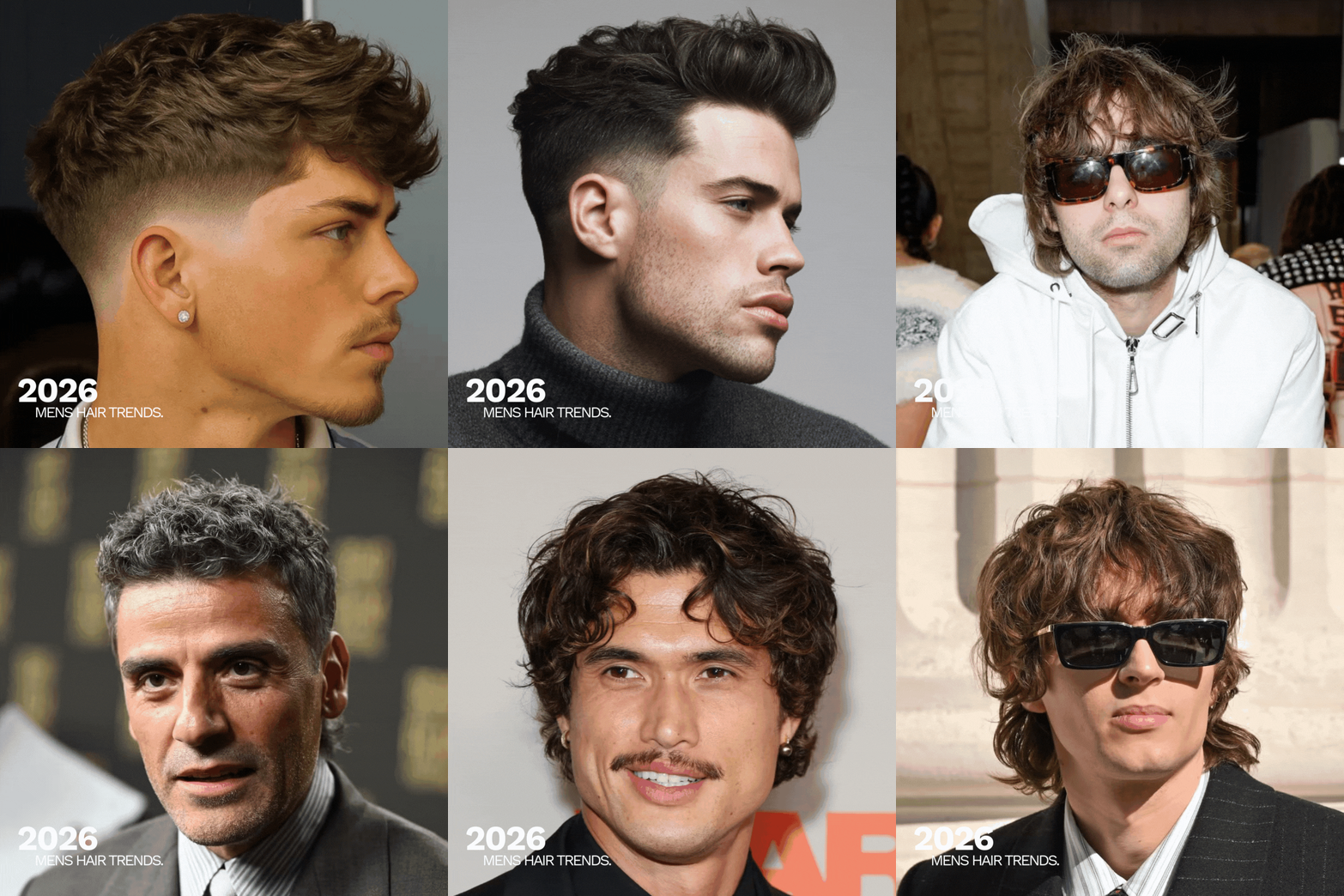
Several classic cuts lead this revival. The Side Part is a cornerstone, offering versatility with variations in taper and length. A conservative side part suits professional settings, while a looser, textured version feels more relaxed. It adapts to most face shapes, though it generally looks best on oval or square faces.
The Slick Back, demanding a good pomade, is about control and shine for a polished, sophisticated look. It's a bold choice for men making a statement, working well with thicker hair and flattering square or rectangular faces.
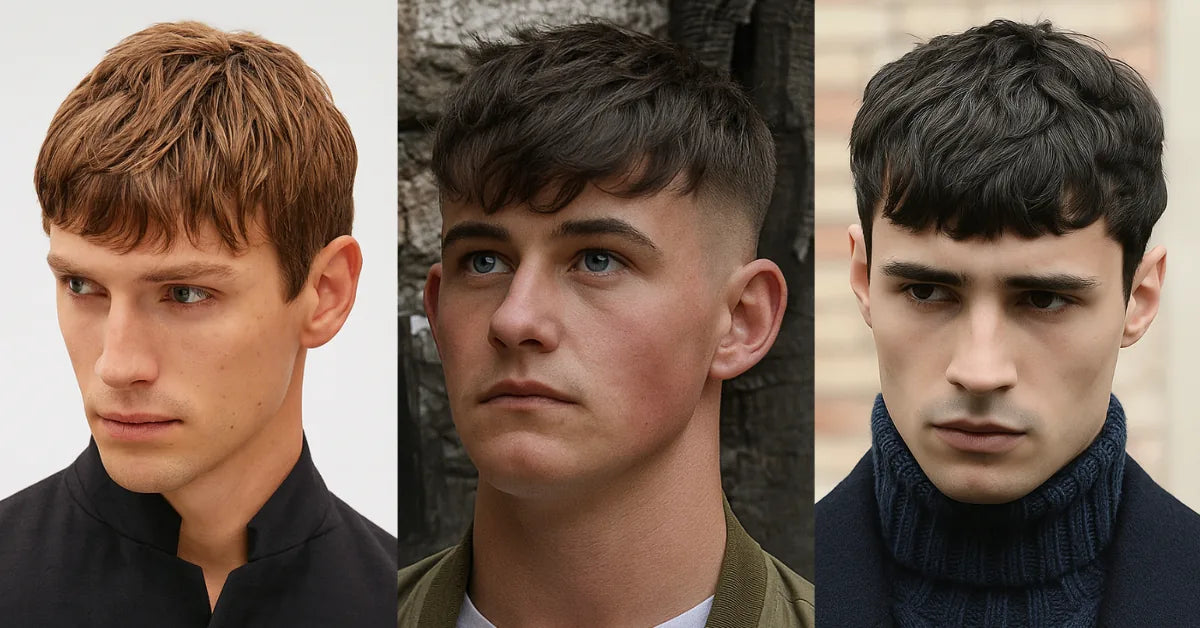
The Crew Cut is a versatile staple: short, neat, and easy to maintain for busy lifestyles. It suits most face shapes, though perhaps not very long ones. Varying the length on top adds visual interest.
The Taper Fade offers a modern take on a classic, combining clean taper lines with a gradual fade for a sophisticated, contemporary look. It suits thicker hair and various face shapes, proving popular for its sharp, adaptable nature.
No because not being allowed to drink while surrounded by women with men's haircuts was still better than choking on mustard gas. https://t.co/10B9BFeoft
— Possum Reviews (@ReviewsPossum) May 3, 2026
Barbering Technique: The Foundation
Classic cuts look good now due to a renewed focus on traditional barbering techniques. Barbers emphasize skill and precision, taking pride in their craft. Shops like Classic Cuts in Glen Cove, NY, exemplify this quality.
Using a straight razor for clean hairline and neckline lines is key. Proper fade blending is another crucial skill; a poorly blended fade looks amateurish. These techniques require years of practice and a keen eye for detail—knowing not just what to do, but how to do it flawlessly.
This precision is difficult to replicate at home. While you can maintain a style between visits, achieving the initial perfect cut requires a skilled professional. A barber who understands the nuances of classic cuts offers significant value.
Attention to detail extends beyond the cut, considering hair texture, face shape, and lifestyle for a tailored style. This personalized experience goes beyond a simple trim.
Product Choices for Classic Hold
Achieving and maintaining classic styles requires the right products. Pomades are essential for slick backs and side parts, offering varying hold and shine. Oil-based pomades provide strong, classic hold with high shine, while water-based options are easier to wash out with a more flexible hold.
Waxes add texture and definition to crew cuts and textured side parts, offering a more natural look than pomades for those preferring a less polished finish. Clays provide similar hold with a matte finish for an understated style.
Gels can work for slick backs and side parts, but choose one that avoids stiffness or crunchiness, aiming for medium hold and a natural finish. A good product can make or break a classic style.
Classic Cuts Barber Shop likely carries curated products for these cuts. Experiment to find what works best for your hair type and desired look, considering how climate and humidity affect product performance.
Product Comparison for Classic Styles
| Product Type | Hold | Shine | Texture | Hair Type Suitability |
|---|---|---|---|---|
| Pomade | Medium to High | Glossy | Smooth, pliable | Fine to Medium, Straight/Wavy |
| Wax | Medium | Low to Medium | Textured, slightly sticky | Medium to Thick, Straight/Wavy |
| Clay | Medium to High | Matte | Voluminous, natural | Fine to Thick, All Hair Types |
| Gel | High | High | Firm, defined | Short to Medium Lengths, Resistant Hair |
| Oil-Based Pomade | High | High Gloss | Classic, slick | Medium to Thick, Straight |
| Water-Based Pomade | Medium | Moderate Gloss | Washable, reworkable | Most Hair Types |
| Fiber | Medium | Low | Textured, piecey | Short to Medium, Fine to Medium |
Illustrative comparison based on the article research brief. Verify current pricing, limits, and product details in the official docs before relying on it.
Adapting Classics to Modern Life
undefined of a crop, creating a contemporary look.
Softer partings are another way to update a classic side part. Instead of a sharply defined parting, a more natural, slightly messy parting feels more modern. This approach works well with a variety of hair textures and adds a touch of effortless style.
Experimenting with different hair lengths is also key. A slightly longer crew cut or a more voluminous side part can create a more contemporary look. The goal is to maintain the essence of the classic cut while adding a personal touch.
Pairing a classic cut with modern clothing is also important. A sharp taper fade looks great with a casual t-shirt and jeans, while a slick back can elevate a more formal outfit. It’s about creating a cohesive look that reflects your personal style.
Finding the Right Barber
Finding a barber who specializes in classic cuts is crucial. Start by looking at a barber’s portfolio. Instagram is an excellent resource for this – pay attention to the quality of their work and whether they consistently deliver the styles you’re looking for.
Read reviews from other clients to get a sense of their experience. Look for barbers who are praised for their attention to detail, their knowledge of classic cuts, and their ability to provide personalized service. Don’t hesitate to ask questions about their experience with traditional techniques.
Investing in a good haircut is worth it. A skilled barber who understands the nuances of classic cuts can make all the difference. It may cost a little more, but the results will be worth it. You’re paying for expertise and a quality experience.
Don’t be afraid to ask friends or colleagues for recommendations. Word-of-mouth is often the best way to find a reliable and talented barber. A referral from someone you trust can save you a lot of time and effort.
- Check Instagram for portfolio examples
- Read online reviews
- Ask questions about their experience
- Seek recommendations from friends
The Classic Fade: A Deep Dive
The classic fade is a foundational element of many of these styles, and it deserves a closer look. It’s a versatile cut that can be adapted to suit a variety of face shapes and hair types. The key is understanding the different types of fades and how they complement different features.
Low fades start just above the ear and gradually blend into the longer hair on top. They’re a good choice for men who want a subtle fade that’s not too dramatic. Mid fades start a bit higher, creating a more noticeable transition. High fades start even higher, offering a bolder, more modern look.
A skin fade (or bald fade) takes the fade all the way down to the skin, creating a very sharp and defined look. This is a popular choice for men who want a high-contrast style. Pinterest (pinterest.com) is a great resource for visual inspiration, with countless examples of classic fade haircuts.
Maintaining a fade between barber visits requires some effort. Regular trimming is essential to keep the lines sharp. You can use a trimmer with a guard to touch up the sides, but be careful not to go too high. It’s generally best to leave it to a professional. Knowing how to ask for a specific fade—describing the starting point and the desired level of contrast—will ensure you get the cut you want.


No comments yet. Be the first to share your thoughts!