
The Return of Tradition
Men's hairstyles are shifting. After years of complex styles like intricate braids, neon colors, and dramatic undercuts, classic cuts are making a strong comeback. This feels like a reaction to the last decade, a move toward something more timeless and refined. Clients are asking for looks that feel polished without being fussy.
Modern styles aren't disappearing, but looks that have stood the test of time are gaining appreciation. Shows like 'Peaky Blinders' have popularized classic styles like the side part and slicked-back hair, and classic film stars continue to inspire. A well-executed classic cut remains stylish.
These cuts are versatile. A classic taper, for instance, can be adapted to suit different hair types, face shapes, and personal preferences, offering a foundation for a polished look that still allows for individual expression.

The Classic Taper: A Modern Staple
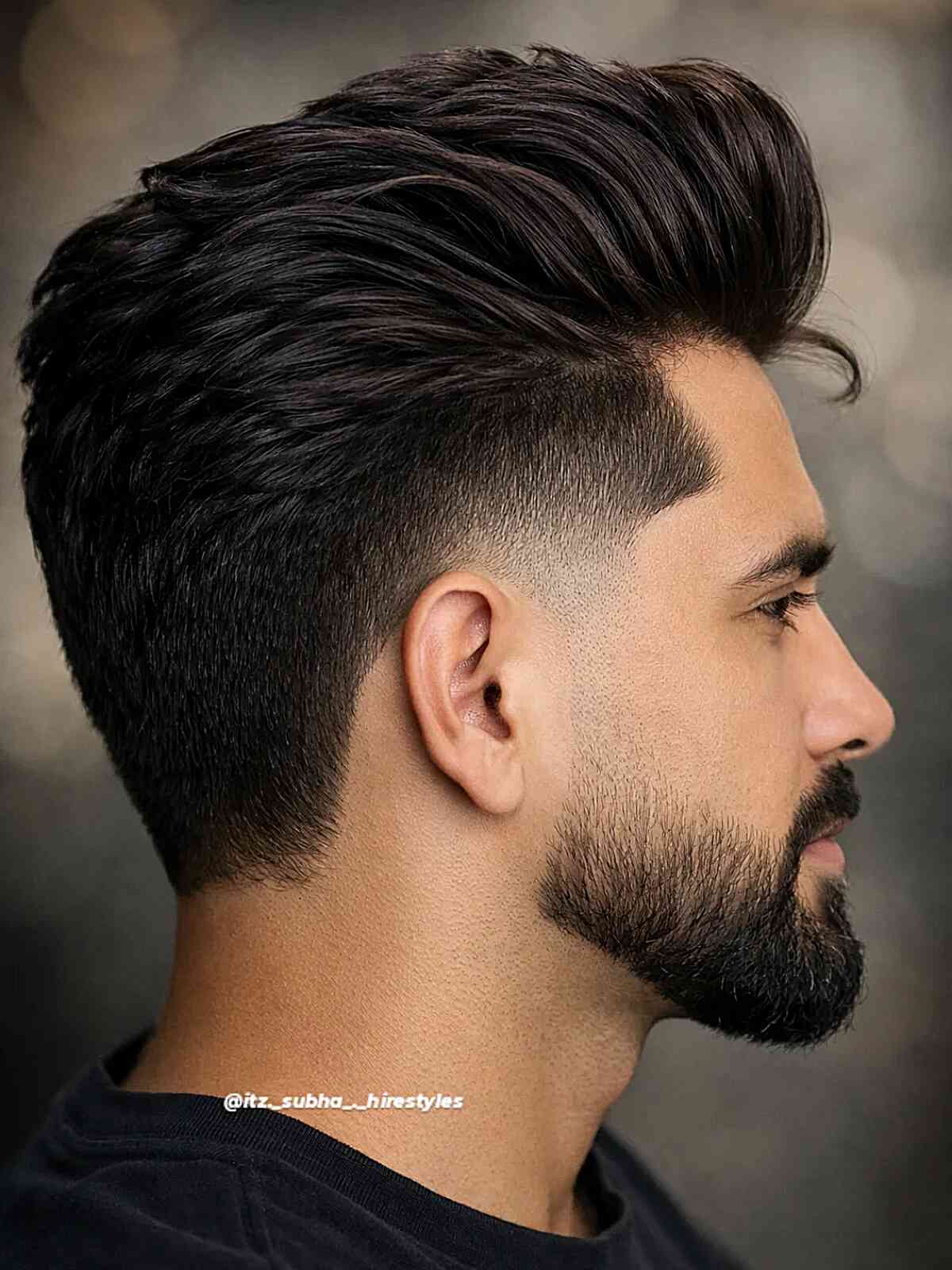
The taper is a popular classic cut making a comeback. It’s defined by a gradual shortening of the hair on the sides and back, creating a clean and sophisticated look. The key is the gradual transition; a good taper avoids harsh lines, offering a subtle change that makes a big difference.
Variations include the low taper for a subtle, refined style; the mid taper, a versatile choice that works well with most face shapes; and the high taper, a more dramatic option for a defined look.
A taper pairs well with a quiff, side part, or textured crop on top. Finding a skilled barber is crucial, as uneven tapers detract from the overall look. A clean, blended taper is essential for a polished aesthetic.
- Low Taper: Subtle, refined, good for conservative looks.
- Mid Taper: Versatile, suits most face shapes.
- High Taper: Dramatic, best for bolder styles.
Side Parts: Polished and Versatile
The side part has a long history, evolving from the slicked-back styles of the 1920s to today's textured looks. It’s inherently polished and versatile, conveying confidence and attention to detail.
Variations include the classic slicked-back side part (using pomade), the textured side part for a relaxed feel, and the hard part with a sharp parting line. Product choice is key: pomade provides hold and shine, wax offers texture and control, and clay provides a matte finish.
Maintaining a side part requires effort and occasional touch-ups with pomade or wax. It’s not a 'wash and go' style.
The Crew Cut: Clean and Low Maintenance
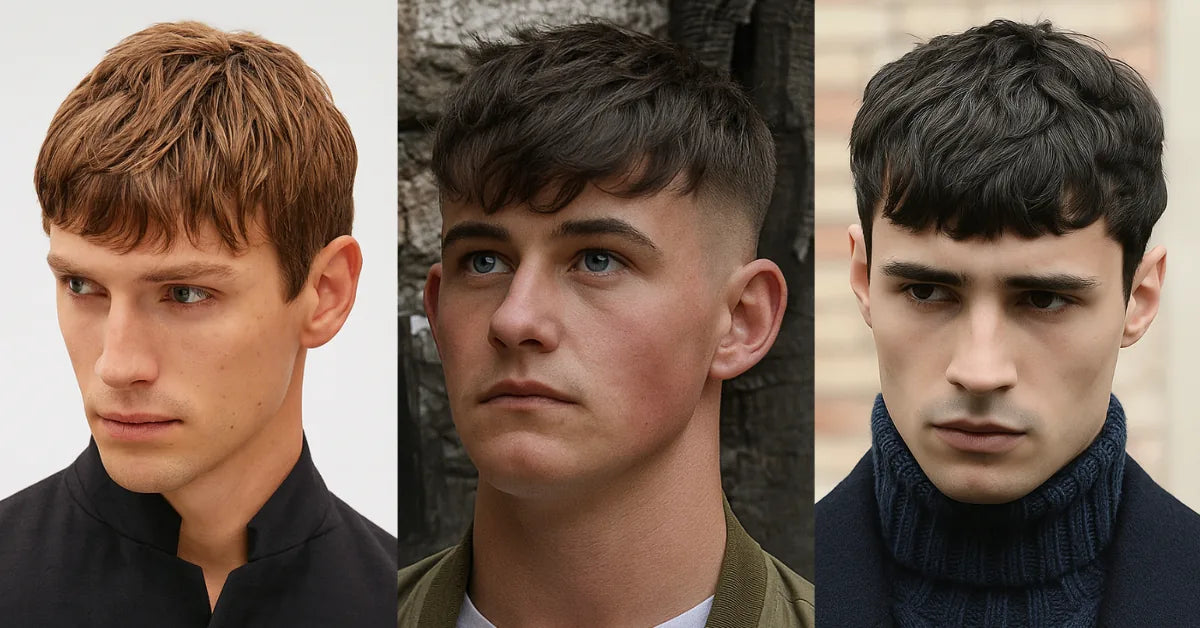
The crew cut is a timeless classic known for its simplicity and practicality. It features short hair on the sides and back, with slightly longer hair on top, offering a clean, no-nonsense style that's easy to manage for those preferring a low-maintenance grooming routine.
Variations include the ivy league, with longer hair on top for styling versatility, and the butch cut, which is very short all over. The crew cut suits a wide range of hair types and face shapes, making it a consistently popular choice for those who don’t want to spend a lot of time on their hair.
Its simplicity makes the crew cut generally affordable and quick to get. It’s a reliable style that always looks presentable, even with minimal effort.
Pompadours: A Touch of Retro Flair
The pompadour is a bold, iconic hairstyle from the 1950s, popularized by figures like Elvis Presley. It’s characterized by significant volume at the front, paired with tapered sides and back, making it a statement style that exudes confidence and personality.
Achieving a pompadour requires skillful styling and the right products. Pomade is essential for hold and shine, hairspray helps maintain volume, and a blow dryer can create lift at the roots. Build volume gradually and shape the hair carefully.
It requires practice and experimentation with products and techniques. Thicker hair generally holds a pompadour more easily than finer hair.
Modern Takes on Classic Shapes
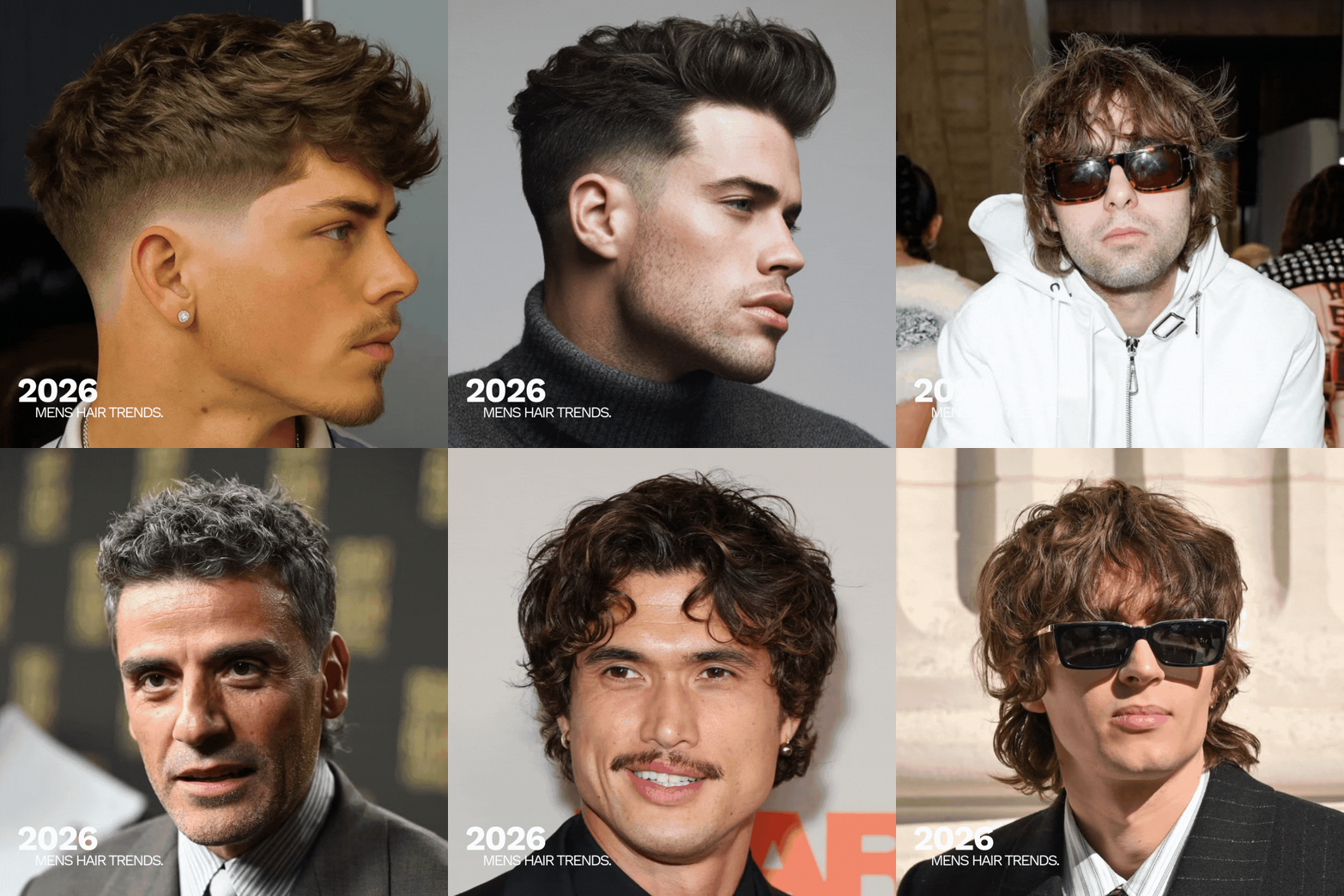
Barbershops blend classic cuts with modern techniques for fresh, contemporary looks. Textured crops are paired with tapers for a relaxed vibe, and disconnected undercuts are combined with side parts, creating a striking contrast.
Modern fading techniques are applied to classic styles. A classic taper with a seamless fade looks sharp and contemporary. Many men ask for a classic shape with modern texture, taking the best elements of both worlds.
Social media platforms like Instagram and YouTube inspire clients as barbers showcase innovative work. Barbering competitions also push creativity and technique, leading to new styles.
Finding the Right Barber
Finding a skilled barber is the most important step in achieving a great classic cut. Look for barbers who specialize in classic men’s grooming.
Look at portfolios, as most barbers have an online presence. Reading reviews on platforms like Yelp can provide insights into other customers' experiences. Find someone you trust who understands your vision.
During the consultation, be clear about your desired style. Bring pictures and discuss your hair type, face shape, and lifestyle. A good barber will ask questions and offer suggestions to help you achieve the best possible result.
Products for Maintaining Your Look
Maintaining a classic cut requires the right products. Pomades are excellent for slicked-back styles and pompadours, providing hold and shine. Waxes offer more texture and control, ideal for textured side parts and messy crops. Clays provide a matte finish for a natural, undone look.
Hairsprays are essential for holding volume and shape, particularly for pompadours and quiffs. Shampoos and conditioners designed for men’s hair will help keep your hair healthy and manageable. I’m a big fan of water-based pomades – they’re easy to wash out and don’t leave a sticky residue.
Experiment with different products to find what works best for your hair type and desired style. Don’t be afraid to ask your barber for recommendations. Investing in quality grooming products will help you maintain your classic cut and look your best.


No comments yet. Be the first to share your thoughts!