
Get men's haircuts right
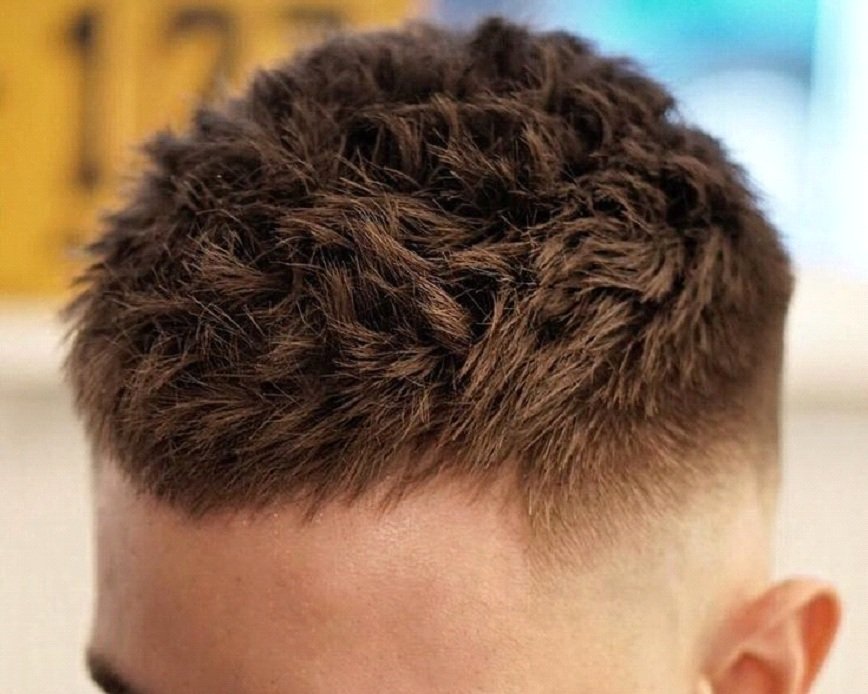
Before booking an appointment for a textured crop fade, you need to align your expectations with your hair’s physical reality. The textured crop fade is not a universal fix; it is a specific solution for straight, fine hair that lacks natural volume. If your hair is curly, thick, or heavily receding, this style may not deliver the intended structure. The cut relies on removing bulk from the sides to create contrast, which can make fine hair on top look thinner if not balanced correctly.
Start by assessing your hair’s density and texture. Fine hair strands are thinner in diameter, meaning they have less individual weight. This is an advantage for texture, as products hold better, but a disadvantage for coverage. If you have thinning areas, a high fade might expose too much scalp. In that case, a low or mid taper is safer. Check your hairline: if it is receding significantly, a textured crop can draw attention to the forehead. A slightly longer fringe or a different style, like a crew cut, might be more flattering.
Fix common mistakes
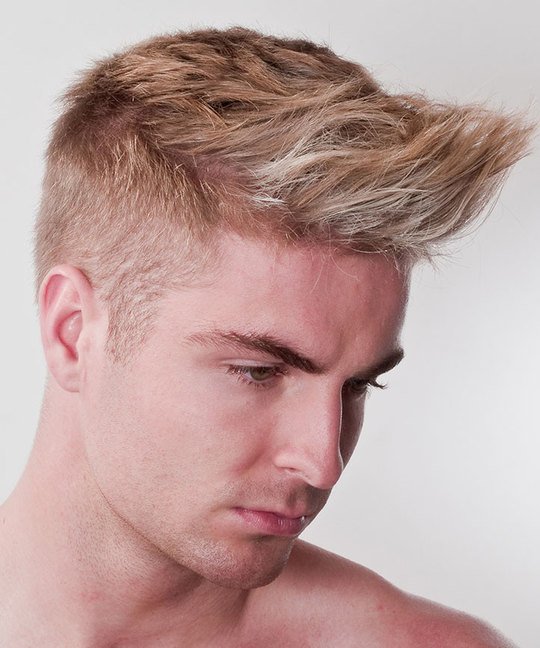
The most common mistake with this style is choosing a fade height that doesn’t match your hair density. If you have fine hair, a high fade can make the top look sparse because there is less hair to create contrast. Instead, opt for a low or mid taper to maintain a balanced proportion. Another error is neglecting product choice. Fine hair needs lightweight products like sea salt sprays or matte clays. Heavy pomades will weigh your hair down, destroying the texture the cut is designed to create.
Men's haircuts: what to check next
Before committing to a textured crop fade, it helps to clear up the common doubts that stall the decision. Here are the practical answers to the questions most readers ask before booking the chair.
No comments yet. Be the first to share your thoughts!