

Why hair type dictates your fade
A modern fade is not a single cut; it is a gradient that must accommodate the physical behavior of your hair. Straight, wavy, curly, and coily textures respond differently to the clippers, meaning the same guard setting produces vastly different visual results depending on your natural texture. Treating a fade as a universal template ignores how hair grows, shrinks, and rests, leading to uneven lines or a cut that looks disjointed as it grows out.
The foundation of a successful fade lies in understanding density and curl pattern. Straight hair lies flat, allowing for sharp, high-contrast lines that are easy to maintain but can look harsh if the transition is too abrupt. Curly and coily hair, however, has volume and shrinkage. A fade on this texture must account for the hair springing back into place, often requiring a softer, more blended transition to avoid a "floating" line effect where the skin shows through in disconnected patches.
Choosing the right modern fade means starting with your hair type as the primary constraint. If you have thick, coarse hair, you may need a higher guard setting to prevent the sides from looking puffy. If your hair is fine or thin, a lower fade can create the illusion of density but risks looking sparse if the skin shows too much. Matching the fade height and blend technique to your specific texture ensures the haircut looks intentional and balanced from day one.
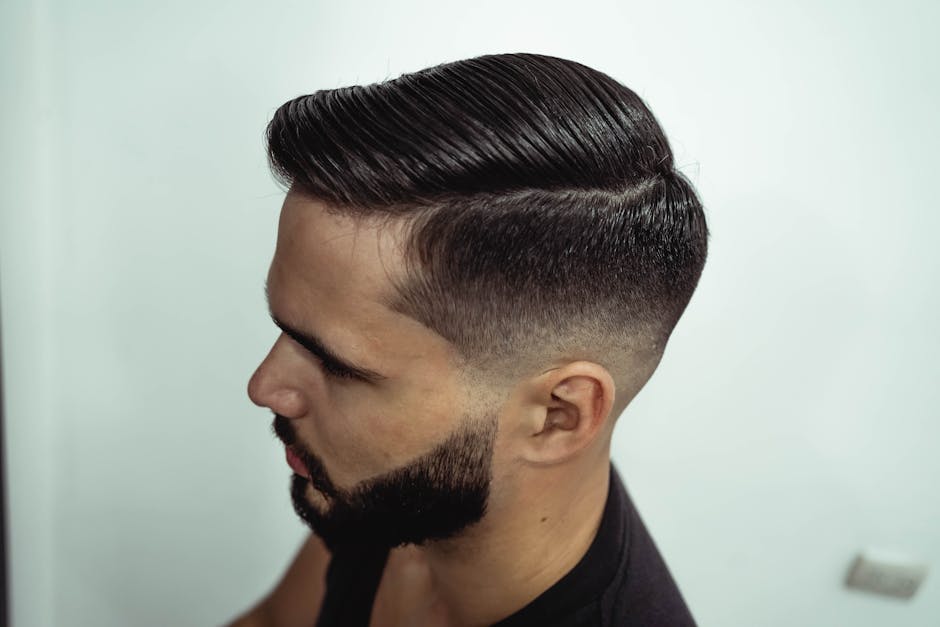
5 Modern Fades for Every Hair Type in 2026
Master these five modern fades tailored to your specific hair texture for a sharp, contemporary look in 2026. Follow the step-by-step visual guide below to execute each cut with precision.
-
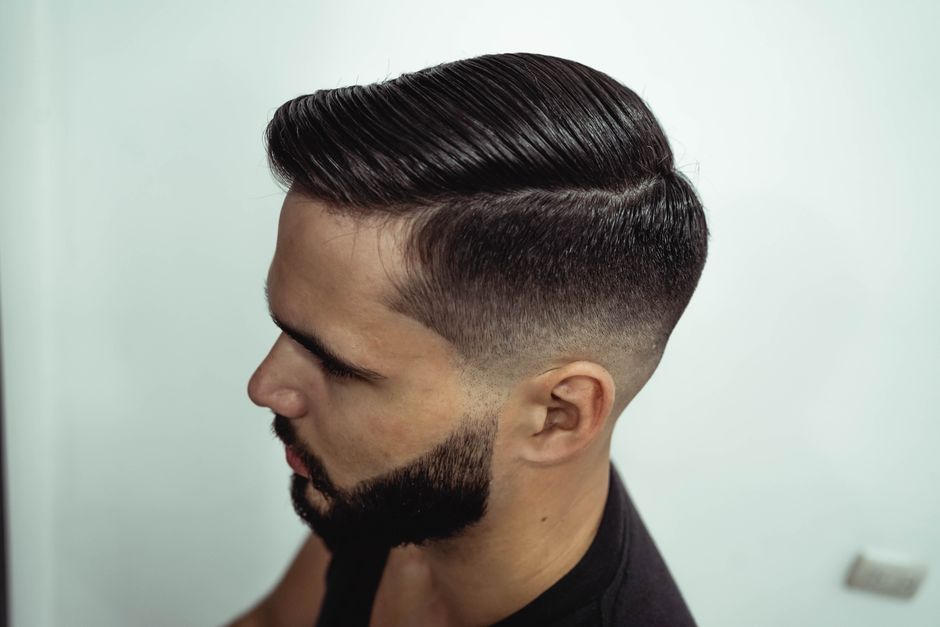
The skin fade for straight hair
Straight hair reveals every imperfection, making precision critical. Start with clippers at zero on the sides, blending upward with a guard to create a seamless gradient. This modern fade highlights the natural texture without adding bulk. Keep the top slightly longer to balance the sharp contrast. Regular trims maintain the clean line, ensuring the style remains sharp and defined for straight-haired individuals seeking a polished look. -

The drop fade for wavy hair
Wavy hair benefits from the drop fade’s curved neckline, which follows the natural hairline contour. Use clippers to create a gradual taper that dips lower behind the ears, enhancing wave patterns. This modern fade adds structure without flattening the curls. Keep the transition smooth to avoid harsh lines. Style with light product to define waves, allowing the fade to frame the face while maintaining volume and movement throughout the day. -
The burst fade for curly hair
Curly hair thrives with the burst fade’s radial design, which curves around the ear for a dynamic look. Start with a higher fade on the sides, blending tightly around the ear’s contour. This modern fade accentuates curl definition by removing weight from the sides. Keep the top full to allow curls to spring naturally. Use a leave-in conditioner to maintain moisture, ensuring the fade remains crisp while the curls stay hydrated and bouncy. -
The taper fade for coarse hair
Coarse hair requires a taper fade to manage density without losing texture. Begin with a lower fade, gradually reducing length from the bottom up. This modern fade softens the harshness of thick strands while maintaining strength. Keep the blend subtle to avoid a disconnected look. Use a strong hold pomade to control flyaways. Regular maintenance ensures the taper remains neat, providing a refined appearance that complements the natural thickness of coarse hair types. -
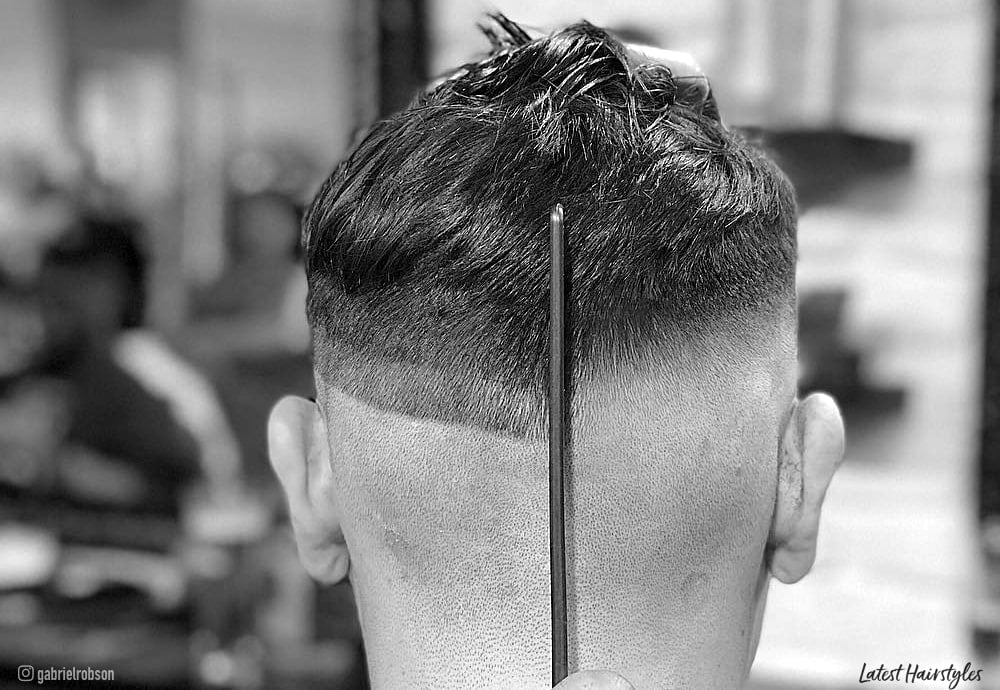
The high fade for fine hair
Fine hair gains volume with a high fade, which removes weight from the sides to lift the top. Start the fade higher on the head, creating a stark contrast that makes the top appear fuller. This modern fade is ideal for adding structure to thinning areas. Keep the top textured with matte product to enhance dimension. Avoid heavy oils that weigh hair down. The high fade provides a clean, modern silhouette that maximizes the appearance of density.
How to maintain your modern fade
A modern fade relies on clean lines and sharp transitions that fade quickly without upkeep. Keeping the shape intact between barber visits requires a specific routine focused on scalp health, product control, and precise touch-ups. Follow this sequence to extend the life of your cut and keep the gradient looking fresh.
Wash your hair two to three times a week using a sulfate-free or clarifying shampoo. Modern fades expose more scalp, which means oil and product buildup become visible faster than in longer styles. Over-washing strips natural oils, leading to dry, flaky skin that ruins the clean look. Focus the lather on the scalp and rinse thoroughly to remove residue without stripping the hair shaft.
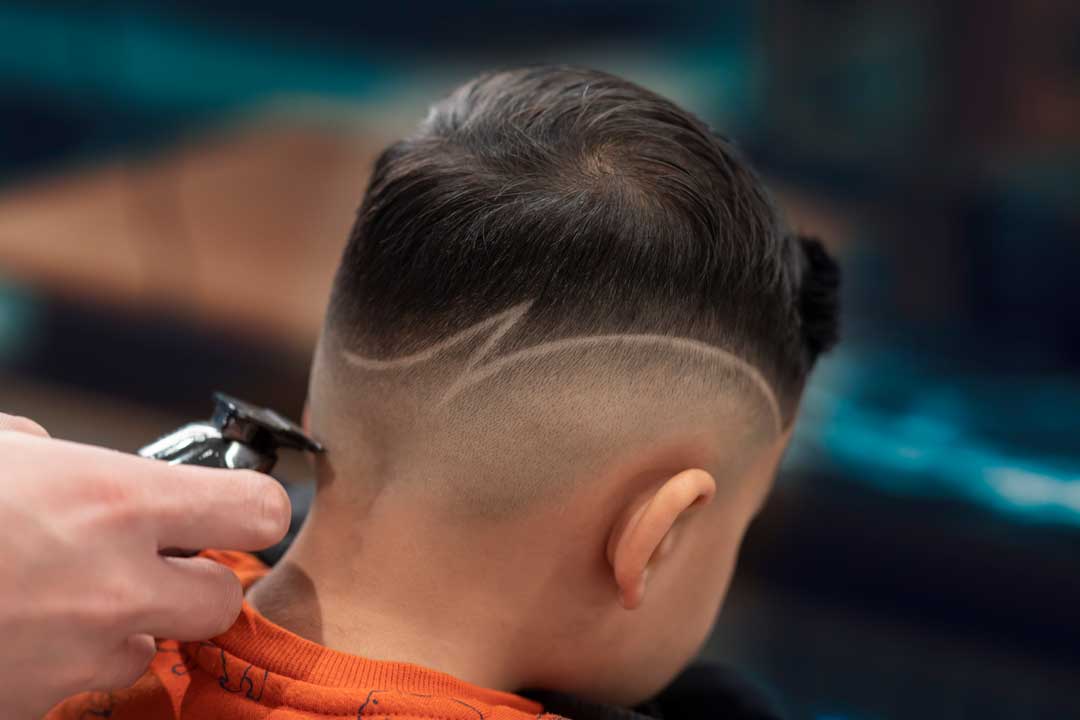
Dry scalp is the enemy of a sharp fade. Apply a small amount of lightweight, non-greasy hair oil or scalp moisturizer every morning. Look for products containing jojoba oil, argan oil, or tea tree oil to hydrate the skin without weighing down the hair. Massage it in gently with your fingertips to stimulate blood flow and reduce itching, especially in the first week after your cut when the hair is shortest.
The neckline and sideburns are the first areas to lose their definition. Use a cordless trimmer with a guard to clean up the hairline at the nape of your neck and around your ears. Do not attempt to blend the fade itself with clippers unless you have significant experience, as mistakes here are hard to fix. Keep the trimmer moving in upward strokes to maintain a clean, straight line that frames the fade.
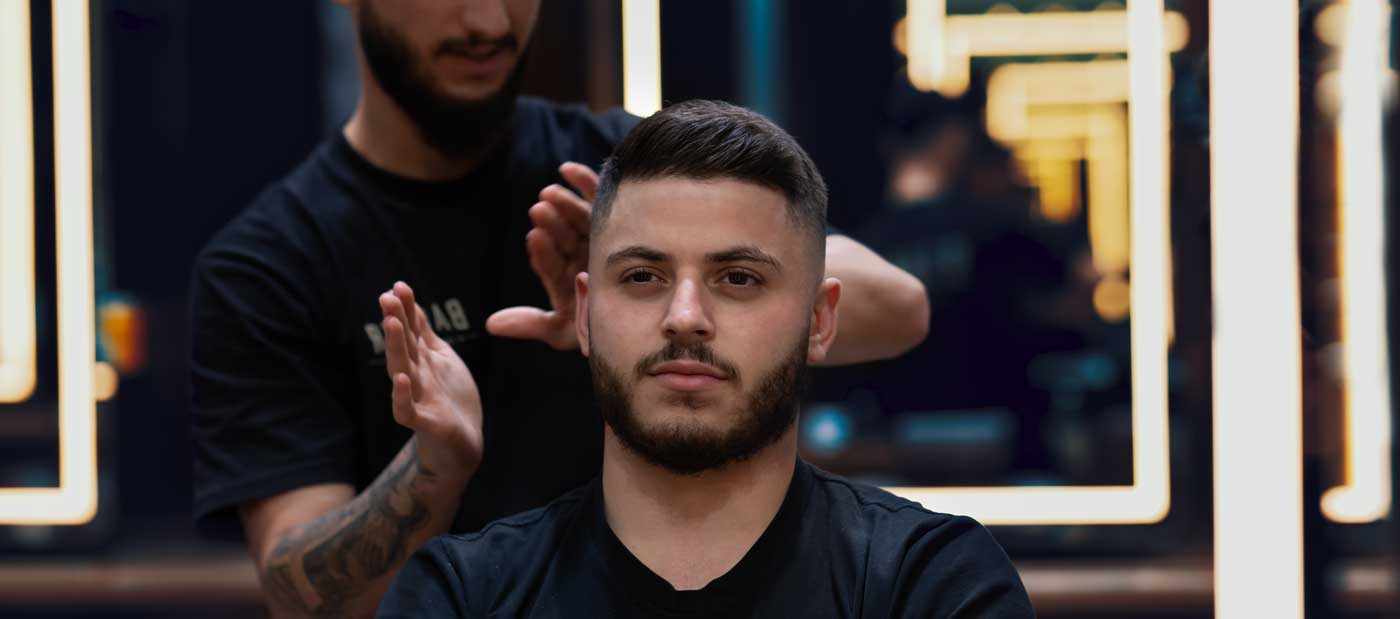
Avoid heavy pomades or high-shine gels that can make the transition between the short sides and longer top look uneven or greasy. Instead, use a matte clay or fiber wax to add texture and hold to the top section. This keeps the focus on the shape of the cut rather than the product. Apply a pea-sized amount to damp or dry hair, working it through the top to create separation and volume without flattening the fade.
Even with perfect home care, a modern fade will lose its precision as the hair grows. Visit your barber every two to three weeks for a quick touch-up to reset the gradient. If you are growing out the top, you can extend this to four weeks, but the sides will need frequent trimming to maintain the contrast. Consistent appointments ensure the fade stays proportional to your head shape and hair growth pattern.
To keep your routine effective, you need the right tools and products. The following items are essential for maintaining the structure and cleanliness of a modern fade between barber visits.



As an Amazon Associate, we may earn from qualifying purchases.
Maintenance Checklist
Use this checklist to ensure you are covering all bases for fade upkeep:
-
Wash hair 2-3 times weekly with clarifying shampoo
-
Apply lightweight scalp moisturizer daily
-
Trim neckline and sideburns with a guard
-
Style top with matte clay or fiber
-
Book barber appointment every 2-3 weeks
Common fade maintenance: what to check next
Keeping a modern fade looking sharp requires consistency and clear communication with your barber. Most people ask about the ideal schedule for touch-ups and how to describe their desired look without relying on vague terms.
How often should I get a fade?
A fresh fade typically lasts two to three weeks before the hairline becomes noticeable. If you prefer a crisp, high-contrast look, aim for a trim every ten to fourteen days. Lower fades can stretch to three weeks, but the transition line will gradually blur.
How do I describe my fade to a barber?
Bring reference photos of the specific modern fade you want. Avoid generic terms like "short" or "clean." Instead, specify the guard numbers (e.g., "zero on the sides, #2 on top") and where you want the taper to end. Showing a picture removes ambiguity and ensures you leave with the exact style you envisioned.
What if my fade is uneven?
If your barber leaves uneven lines, ask for a correction immediately while you are still in the chair. Fades are built on symmetry; small adjustments are easy to fix on the spot. If you notice unevenness a few days later, return to the same barber for a quick touch-up rather than trying to fix it yourself.
No comments yet. Be the first to share your thoughts!