
Beyond the Buzz: AI & Hair Product Selection
The sheer volume of hair products available can be overwhelming. For years, we've relied on marketing claims and guesswork, but artificial intelligence is starting to offer genuinely personalized hair care recommendations.
AI uses data – hair type analysis, ingredient databases, and user reviews – to predict which products will work best for you. This shifts advice from generic advertising to recommendations tailored to your specific needs.
Data sources vary: some systems analyze hair images, others use detailed questionnaires, and some integrate health and lifestyle information. While not yet perfect, this approach can simplify hair care by matching the right formula to your unique biology.
This is data analysis, not magic. Recommendation quality depends on data quality, but it's a significant improvement over random selection. Finding the right hair products is becoming less of a gamble and more of a solution.
Decoding Your Hair: The Data AI Needs
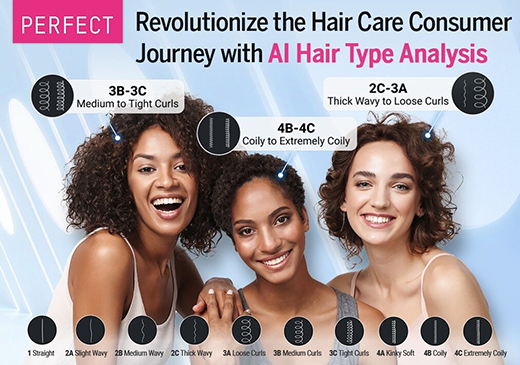
AI hair product recommendations go beyond basic 'hair type' identification. They need a nuanced understanding of your hair and scalp. The Andre Walker Hair Typing System (1a-4c) is a common starting point, but it doesn't capture the full picture.
Beyond texture, AI needs information about hair porosity – its ability to absorb and retain moisture. Low porosity hair resists moisture, while high porosity hair absorbs it quickly but loses it easily. AI assesses porosity through image analysis or questionnaire responses about drying time.
Scalp health is critical. AI can analyze scalp images (an emerging area) or use self-reported data on whether your scalp is oily, dry, or sensitive, and if you experience dandruff or itching. Lifestyle factors like climate and activity level also impact hair needs.
AI 'sees' these characteristics differently. Some apps use photo analysis, others detailed questionnaires covering hair history and styling routines. The most accurate systems combine multiple data points for a complete picture, leading to better recommendations.
- Hair Type: Using systems like Andre Walker (1a-4c) as a starting point.
- Hair Porosity: Low, medium, or high – impacting moisture absorption.
- Scalp Health: Oily, dry, sensitive, prone to dandruff.
- Lifestyle Factors: Climate, activity level, styling habits.
What Does the AI See? Find Your Hair Profile
In 2026, AI is revolutionizing how we choose hair products. But before the algorithms can work their magic, they need to understand *your* hair. This quick quiz mimics how an AI analyzes hair – starting with your hair type and porosity. Answer honestly to unlock personalized product recommendations!
The AI Product Landscape: Tools & Platforms
The AI hair product space is new and evolving. Apps using photo analysis, platforms with detailed questionnaires, and brands developing their own AI tools are emerging.
Function of Beauty and Prose offer customized hair care formulas and routines based on detailed questionnaires analyzing hair type, scalp health, and goals. These platforms typically use a subscription model.
Apps like Hairly use image analysis. You upload a hair photo, and the app identifies your hair type and recommends products. Accuracy varies, often requiring user input to refine results.
Brands like L’Oréal and Unilever are investing in AI hair analysis tools integrated into their websites or apps for personalized recommendations. This strategy leverages existing product lines and builds customer relationships.
Ingredient Intelligence: What AI Knows About Formulation
AI analyzes hair care formulations, identifying beneficial or harmful ingredients for specific hair types and concerns. It goes beyond avoiding common irritants to understanding how ingredients interact with your hair.
Research from the National Institutes of Health (PMC, Hair Cosmetics: An Overview) notes that silicones provide shine but can cause buildup, while humectants like glycerin attract moisture but can be problematic in humid environments. AI factors these nuances into recommendations.
FDA oversight of hair product ingredients is limited, as pre-market approval isn't required for most cosmetic ingredients. AI can flag potentially problematic ingredients or combinations.
AI helps find the right ingredient combinations. For example, protein and moisturizing ingredients suit damaged hair, while lightweight formulas suit fine hair. AI navigates cosmetic chemistry to identify optimal formulations for individual needs.
AI-Recommended Ingredient Selection Guide by Hair Type (2026)
| Ingredient Category | Fine Hair | Coarse Hair | Curly Hair | Damaged Hair |
|---|---|---|---|---|
| Humectants (e.g., Glycerin, Hyaluronic Acid) | Generally Good | Generally Good | Generally Good | Generally Good |
| Proteins (e.g., Keratin, Wheat Protein) | Use with Caution | Generally Good | Generally Good | Generally Good |
| Oils (e.g., Argan, Jojoba, Coconut) | Use with Caution | Generally Good | Generally Good | Generally Good |
| Sulfates (e.g., Sodium Lauryl Sulfate) | Generally Avoid | Use with Caution | Generally Avoid | Generally Avoid |
| Silicones (e.g., Dimethicone, Cyclopentasiloxane) | Generally Good | Use with Caution | Use with Caution | Generally Avoid |
| Alcohol (e.g., Cetyl Alcohol, Stearyl Alcohol - Fatty Alcohols) | Generally Good | Generally Good | Use with Caution | Generally Good |
| Clays (e.g., Bentonite, Kaolin) | Generally Avoid | Generally Good | Generally Good | Use with Caution |
Illustrative comparison based on the article research brief. Verify current pricing, limits, and product details in the official docs before relying on it.
Top AI-Recommended Products for 2026
Based on AI algorithms and user data, here are products frequently recommended in 2026, categorized by hair type and concern. These products consistently receive high ratings from AI systems and users with similar hair profiles.
Volumizing for Fine Hair: Living Proof Full Shampoo & Conditioner. AI algorithms often recommend this duo for its lightweight formula and ability to add volume without weighing hair down. Key ingredients include Living Proof’s Healthy Hair Molecule (OFPMA) which repels dirt and oil, keeping hair looking fuller for longer.
Hydrating for Curly Hair: DevaCurl SuperCream Coconut Curl Styler. This product consistently appears in AI recommendations for curly hair due to its moisturizing properties and ability to define curls without causing frizz. It's particularly well-suited for hair with high porosity.
Strengthening for Damaged Hair: Olaplex No. 3 Hair Perfector. Olaplex is an AI favorite for repairing broken bonds in damaged hair. The technology rebuilds the internal structure of hair, leaving it stronger and healthier.
Smoothing for Frizzy Hair: Moroccanoil Smoothing Lotion. AI frequently recommends this lotion for its ability to tame frizz and add shine. Argan oil is a key ingredient, providing hydration and smoothing benefits.
Color Protection: Redken Color Extend Magnetics Shampoo & Conditioner. This duo is often recommended for color-treated hair, helping to lock in color and prevent fading. It contains antioxidants and UV filters to protect hair from environmental damage.
Scalp Health (Dry Scalp): Briogeo Scalp Revival Charcoal + Coconut Oil Micro-Exfoliating Scalp Scrub Shampoo. AI suggests this option for its ability to gently exfoliate the scalp, removing buildup and promoting healthy hair growth.
Scalp Health (Oily Scalp): Klorane Shampoo with Nettle. Recommended for its ability to regulate sebum production and cleanse the scalp without stripping it of essential oils.
Textured Hair (4C): Mielle Organics Pomegranate & Honey Leave-In Conditioner. This leave-in conditioner is a frequent recommendation for 4C hair, providing deep hydration and detangling benefits.
Textured Hair (3A/3B): Shea Moisture Coconut & Hibiscus Curl & Shine Conditioner. AI often suggests this conditioner for its ability to define curls and add shine without weighing hair down.
Gray Hair: Purple Shampoo by Fanola. This shampoo is an AI pick for its ability to neutralize brassy tones in gray or blonde hair, keeping it looking bright and vibrant.
Thinning Hair: Rogaine 5% Minoxidil Foam for Women. AI algorithms frequently recommend this product for its proven effectiveness in stimulating hair growth, based on clinical studies.
Featured Products
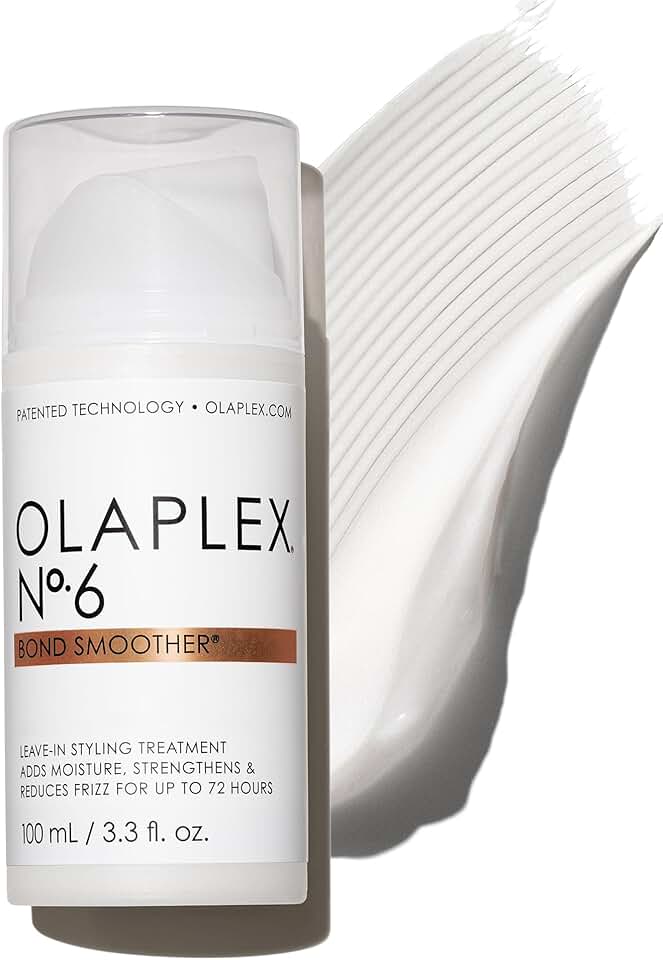
Leave-in styling treatment that smooths, conditions, and strengthens hair. · Provides frizz control for up to 72 hours. · Suitable for coily, curly, straight, and wavy hair types.
Olaplex Nº. 6 Bond Smoother is recommended for its advanced bond-building technology that addresses multiple styling concerns across a wide range of hair textures.

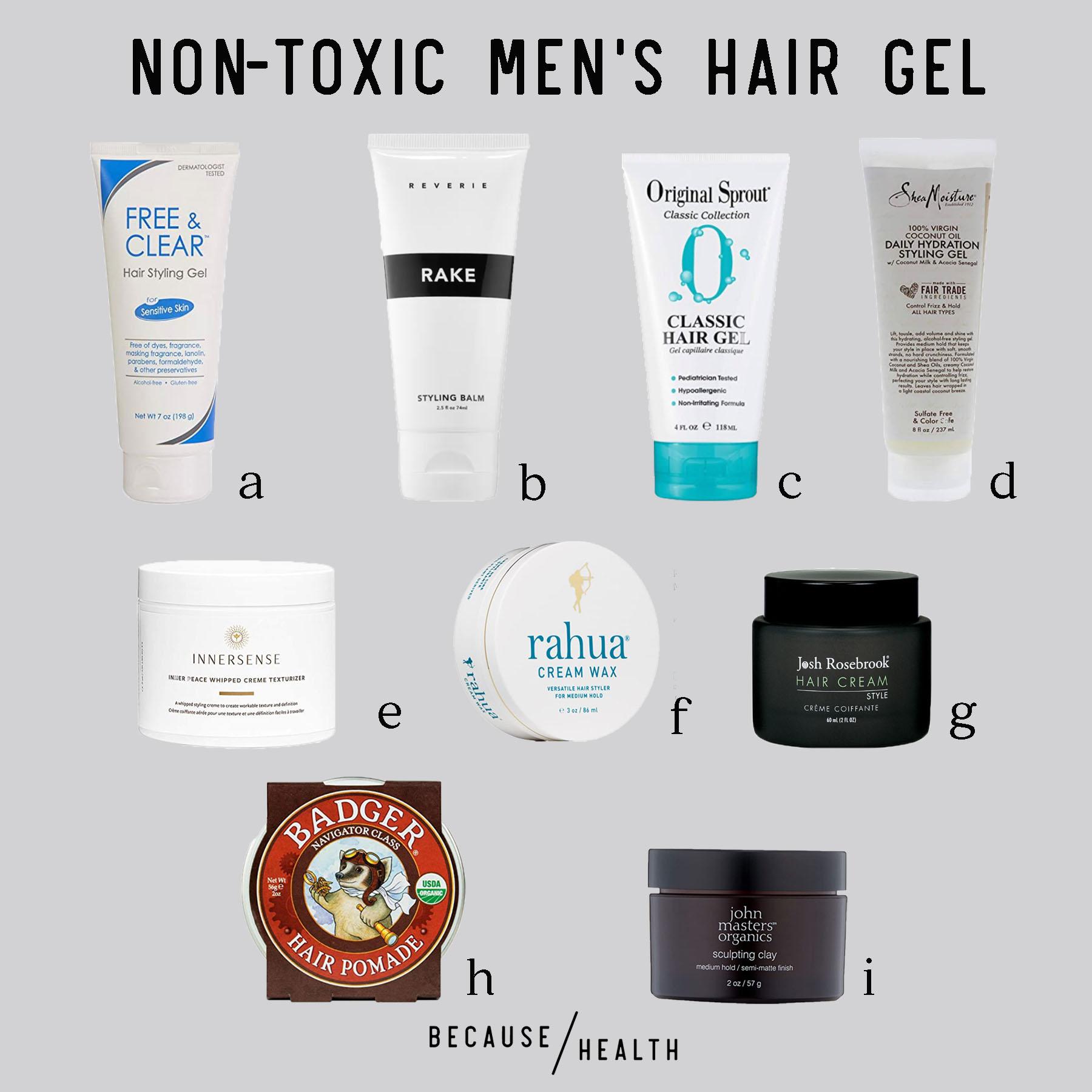
Men's hair cream offering medium hold and medium shine. · Provides a gel-like finish without stiffness. · Suitable for various styling needs.
American Crew Forming Cream is a versatile choice for men seeking a reliable styling product that mimics the hold of gel with a more natural feel and finish.
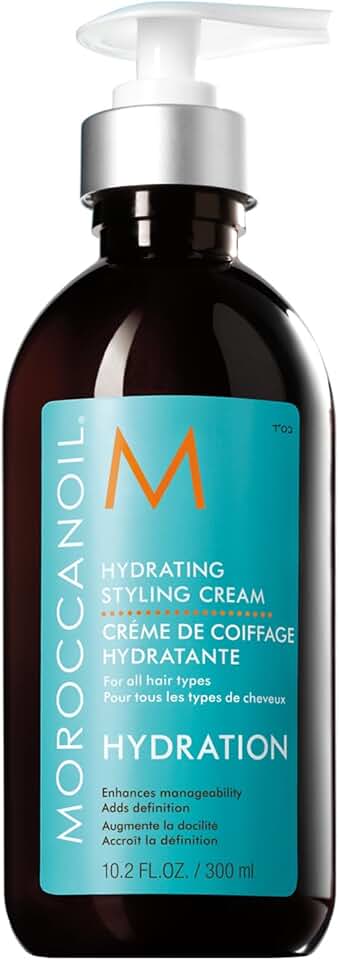
Hydrating styling cream that moisturizes hair. · Improves manageability and provides a smooth finish. · Infused with nourishing ingredients.
Moroccanoil Hydrating Styling Cream is recommended for its ability to deeply moisturize and enhance the manageability of hair, making styling easier and improving overall hair health.

Leave-in conditioner and heat/UV protectant. · Hydrates hair and combats frizz. · Safe for color-treated hair and suitable for all hair types and textures.
Bumble and bumble. Hairdresser's Invisible Oil Heat/UV Protection Leave-In Conditioner is a multi-tasking primer that protects hair from environmental stressors while providing essential hydration and detangling.

Men's cream pomade for styling. · Offers medium hold with a natural, smooth finish and low shine. · Designed for all hair types.
Redken Brews Cream Pomade is recommended for its balanced hold and natural finish, providing men with a refined styling option that avoids excessive shine or stiffness.
As an Amazon Associate I earn from qualifying purchases. Prices may vary.
Standout Solutions: Products Worth a Closer Look
While the above products consistently rank highly in AI recommendations, here are a few standouts that deserve extra attention. These products might not be as widely known, but they offer unique benefits or innovative formulations.
Act+Acre Cold Processed Scalp Revival Kit. This kit focuses on scalp health, using cold-processed ingredients to preserve their potency. The AI recognizes the growing importance of scalp health and often recommends this kit for those with specific concerns.
Innersense Organic Beauty Hydrating Cream Hairbath. This organic and sustainable shampoo is a favorite among those seeking natural hair care options. The AI acknowledges the increasing demand for clean beauty products and often suggests this shampoo for those with sensitive scalps.
Oribe Moisture & Control Hair Serum. This serum is a luxurious option for those with dry or damaged hair. The AI recognizes its high-quality ingredients and ability to provide intense hydration and repair.
The Future of AI & Hair: What to Expect
The future of AI in hair care is incredibly exciting, but also comes with potential challenges. We can expect to see more accurate hair analysis tools, potentially incorporating wearable sensors to monitor scalp health in real-time. Imagine a sensor that tracks your scalp’s hydration levels and adjusts your product recommendations accordingly.
Personalized formulations are also on the horizon. Instead of buying pre-made products, you might be able to order custom blends tailored to your specific needs, created by AI-powered machines. This would represent a significant shift in the industry, moving away from mass production towards individualized care.
However, there are ethical considerations to address. Data privacy is a major concern – how will our hair data be collected, stored, and used? Algorithmic bias is another issue – will AI systems perpetuate existing inequalities by recommending different products to different groups of people? These are important questions that need to be answered.
Despite these challenges, the potential benefits of AI in hair care are undeniable. By leveraging data and science, we can move towards a future where finding the right products is easier, more effective, and more personalized than ever before. It’s a rapidly evolving field, and while there’s still a lot of uncertainty, the direction is clear: AI is here to stay, and it’s poised to revolutionize the way we care for our hair.
No comments yet. Be the first to share your thoughts!