
Beyond 'clean': defining sustainable hair
The men’s grooming market is flooded with products claiming to be "clean’ or ‘natural,’ but those terms are usually just marketing. Sustainability is about the whole lifecycle—how raw materials are sourced, manufactured, and eventually thrown away. It"s a messy process, and I've found it's rarely black and white.
We need to break down sustainability into its core components: ingredients, packaging, manufacturing processes, and ethical sourcing. Each area presents its own challenges and trade-offs. For example, a product with organic ingredients might still come in excessive plastic packaging, negating some of the environmental benefits. And a locally-made product might have a higher carbon footprint due to less efficient manufacturing.
Certifications like USDA Organic or COSMOS can be helpful, but they aren’t foolproof. They often focus on specific aspects of sustainability, like ingredient sourcing, and don’t necessarily address packaging or manufacturing. I think a critical eye is essential. Don’t rely solely on labels; research the brand and understand their overall commitment to sustainability. Looking beyond the marketing hype is the most important thing you can do.
I’m not sure there’s a perfect ranking system for sustainability. It’s a spectrum, and what’s "sustainable’ for one person might not be for another. Prioritizing what matters most to you – whether that"s reducing plastic waste, supporting ethical labor practices, or avoiding specific ingredients – is a good starting point.
Ingredients to avoid
Many common ingredients in men’s hair products come with environmental baggage. Sulfates, for example, are powerful cleaning agents, but their production relies on petroleum, a non-renewable resource. More than that, they can disrupt aquatic ecosystems when they enter the water supply. They’re also often harsh on the scalp, leading to irritation, but that’s a different concern.
Parabens, used as preservatives, have been linked to endocrine disruption in both humans and wildlife. Silicones, while giving hair a smooth and shiny appearance, are not biodegradable and can accumulate in the environment. Phthalates, often found in fragrances, are also endocrine disruptors and can have negative impacts on reproductive health. Synthetic fragrances, generally, are a murky area – often composed of undisclosed chemicals.
Watch out for 'natural' labels that hide bad practices. A 'natural fragrance' is often a loophole for chemicals the brand doesn't want to list, and some plant-derived ingredients suck up massive amounts of water. You have to look at the whole footprint, not just the origin of the oil.
The National Institute of Environmental Health Sciences (NIEHS) has published research on the health burden of hair care products, highlighting the potential exposure to harmful chemicals. As of 2023, they continue to investigate the long-term effects of these ingredients on human and environmental health.
- Sulfates are petroleum-derived and can harm aquatic life when they wash down the drain.
- Parabens: Endocrine disruptors.
- Silicones: Non-biodegradable, accumulate in the environment.
- Phthalates: Endocrine disruptors, reproductive health concerns.
- Synthetic Fragrances: Often undisclosed chemicals.
Common Hair Product Ingredients: A Sustainability & Impact Comparison
| Ingredient | Environmental Impact | Potential Health Concerns | Performance | Cost |
|---|---|---|---|---|
| Sulfates (e.g., Sodium Lauryl Sulfate) | Moderate to High Impact - Potential for aquatic toxicity; slow biodegradation. | Moderate Concern - Can be skin/scalp irritants, potentially disrupting the skin microbiome. | Excellent - Highly effective cleansing agents, create rich lather. | Low |
| Parabens (e.g., Methylparaben, Propylparaben) | Moderate Impact - Persistence in the environment is a concern; potential endocrine disruption in wildlife. | Moderate Concern - Potential endocrine disruption in humans, though research is ongoing. | Good - Primarily used as preservatives, extending product shelf life. | Low to Moderate |
| Silicones (e.g., Dimethicone, Cyclopentasiloxane) | High Impact - Non-biodegradable, accumulate in the environment, potential for bioaccumulation. | Low Concern - Generally considered safe for topical use, but can cause buildup. | Excellent - Provide smoothness, shine, and heat protection. | Moderate |
| Mineral Oil/Petroleum | High Impact - Derived from non-renewable resources; potential for environmental contamination during extraction and transport. | Low Concern - Generally non-irritating, but can be occlusive. | Good - Effective emollient and moisturizer. | Low |
| Coconut Oil | Low Impact - Derived from a renewable resource; biodegradable. | Low Concern - Generally well-tolerated; potential allergen for some. | Good - Provides moisture and shine, can be heavy for fine hair. | Moderate |
| Shea Butter | Low Impact - Derived from a renewable resource; biodegradable. | Low Concern - Generally well-tolerated; potential allergen for some. | Good - Excellent moisturizer and conditioner. | Moderate to High |
| Aloe Vera | Very Low Impact - Renewable resource, biodegradable, requires significant water use in some growing regions. | Very Low Concern - Generally safe for all skin types. | Moderate - Soothing and hydrating, good for scalp health. | Moderate |
Illustrative comparison based on the article research brief. Verify current pricing, limits, and product details in the official docs before relying on it.
The plastic problem and better packaging
Hair product packaging is a major source of plastic waste. Most shampoos, conditioners, and styling products come in bottles made from PET or HDPE plastic, both of which are recyclable, but often aren’t. The reality is that a significant percentage of plastic ends up in landfills or the ocean, contributing to pollution and harming wildlife.
Glass and aluminum are often touted as more sustainable alternatives, and in many ways, they are. They’re both highly recyclable and can be reused multiple times. However, they’re also heavier than plastic, which increases shipping costs and carbon emissions. Sourcing also matters – where are these materials coming from, and what’s the environmental impact of their extraction?
Paper-based packaging, like cardboard, is a good option for secondary packaging (like shipping boxes), but it’s less suitable for containing liquids directly. Innovative solutions like refill programs are gaining traction. Brands like Plaine Products offer aluminum bottles with refill pouches, significantly reducing plastic waste. Concentrated formulas, which require less packaging overall, are another promising trend.
Zero Waste Store offers a wide range of shampoo and conditioner bars, packaged in minimal, compostable materials, directly addressing the plastic problem. They’ve been operating since 2018, demonstrating a growing consumer demand for plastic-free alternatives.
Eight eco-friendly brands to watch in 2026
Finding brands genuinely committed to sustainability requires digging deeper than marketing claims. Here are eight brands making strides in eco-friendly hair care, as of late 2026. These aren’t ranked, but represent a diverse range of approaches and price points.
Ethique: (Price: $15-25) This New Zealand-based brand is a pioneer in plastic-free hair care. They offer a wide range of shampoo bars, conditioner bars, and styling products, all packaged in compostable cardboard. Their ingredients are plant-based and ethically sourced.
Plaine Products: (Price: $25-35) Specializing in aluminum bottled hair care, Plaine Products offers a refill program, reducing plastic waste significantly. Their formulas are vegan, cruelty-free, and made with organic ingredients. They also have a strong commitment to social responsibility.
Package Free Shop: (Price: $10-30) While not exclusively a hair care brand, Package Free Shop curates a selection of sustainable hair products, including shampoo bars, bamboo brushes, and reusable hair ties. They prioritize zero-waste living.
HiBAR: (Price: $13-18) Another strong contender in the shampoo bar space, HiBAR offers a variety of formulas for different hair types. Their packaging is minimal and compostable, and their ingredients are plant-based.
Seed Phytonutrients: (Price: $30-40) This brand focuses on organic and sustainably sourced ingredients. They use recycled paper bottles and offer a refill program. They're a bit more expensive, but their commitment to quality and sustainability is evident.
Prose: (Price: $25-45) Prose offers personalized hair care formulas based on your hair type and concerns. They use sustainable packaging and ethically sourced ingredients. Their customization aspect reduces product waste.
Aveda: (Price: $30-60) A more established brand, Aveda has been incorporating sustainable practices for years. They use recycled packaging, sustainably sourced ingredients, and support environmental initiatives. While not perfect, they’re a good option for those seeking a more accessible brand.
The Unwaste Shop: (Price: $10-20) This UK-based shop offers a curated selection of eco-friendly hair products, focusing on plastic-free and natural ingredients. They prioritize reducing waste and supporting small businesses.
Featured Products

Cleansing and clarifying · Removes product buildup · Sulfate-free and vegan
Acure's clarifying shampoo offers a powerful, plant-based solution for scalp detox without harsh chemicals.

Shampoo and conditioner set · Mint and tea tree oil formula · Natural and organic ingredients
Brickell provides a complete, natural hair care routine specifically for men, focusing on revitalizing and strengthening hair.

Multi-purpose oil (face, beard, body, hair) · Contains 10 natural oils · Deeply moisturizing and nourishing
This nourishing oil offers a sustainable, multi-use solution for hydration across the entire body, including hair and beard.
![Ethique Scalp Health Shampoo Bar for itchy, dry, flaky scalps with Oatmeal - Plastic-Free, Vegan, Cruelty-Free, 3,88 oz - Formerly Heali Kiwi [Amazon-developed Certification] Compact by Design](https://m.media-amazon.com/images/I/61-6DpNQyvL._AC_UL960_QL65_.jpg)
Plastic-free shampoo bar · Soothes dry, itchy, flaky scalps · Vegan and cruelty-free
Ethique's shampoo bar is a highly sustainable, plastic-free option that effectively addresses scalp concerns with natural ingredients.

Natural and vegan formula · Suitable for all hair types · Lightweight hydration and detangling
Ursa Major offers a clean, effective conditioner that prioritizes natural ingredients and environmental responsibility for all users.
As an Amazon Associate I earn from qualifying purchases. Prices may vary.
Switching to shampoo and conditioner bars
Shampoo and conditioner bars are a game-changer for reducing plastic waste. They eliminate the need for bulky plastic bottles and often contain concentrated formulas, meaning you use less product overall. They’re also travel-friendly – no more worrying about leaks in your suitcase!
Different bars are formulated for different hair types. Dry or damaged hair benefits from bars with moisturizing ingredients like shea butter or coconut oil. Oily hair might prefer bars with clarifying ingredients like tea tree oil or charcoal. It might take some experimentation to find the right bar for you.
To use a shampoo bar, simply wet your hair and rub the bar directly onto your scalp and hair, creating a lather. For conditioner bars, rub the bar between your hands to create a creamy lather and apply to the ends of your hair. Rinse thoroughly. Storing the bars in a dry place, away from standing water, will help them last longer.
A common concern is that bars can be drying. This can be addressed by using a moisturizing hair mask or leave-in conditioner afterward. Some people also find that an apple cider vinegar rinse helps to balance the pH of their hair after using a bar.
Sustainable pomades, clays, and waxes
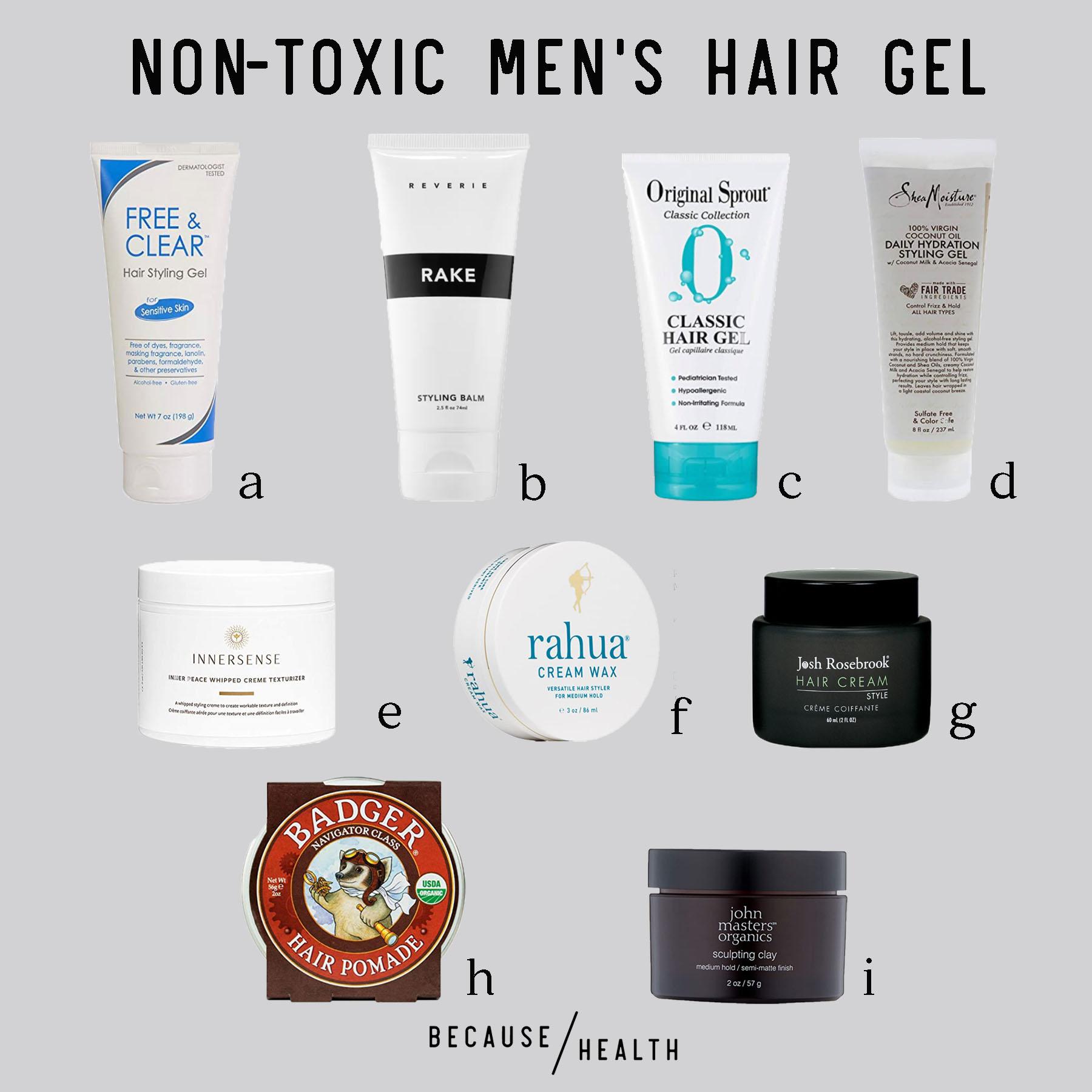
Many traditional styling products contain harmful ingredients like microplastics, which are tiny plastic particles that pollute our waterways. Fortunately, there are now eco-friendly alternatives available. Look for brands using natural ingredients like beeswax, plant oils (like argan oil or jojoba oil), and clays (like bentonite clay or kaolin clay).
Beeswax provides hold and texture, while plant oils add shine and moisture. Clays help absorb excess oil and provide a matte finish. Avoid products containing PVP, acrylates copolymer, or polyethylene – these are all types of microplastics.
I use Honest Amish beard balm as a pomade—it has a reliable hold without the plastic feel. Captain Blankenship’s organic styling balm is another solid choice if you want something lighter. You'll have to experiment to see what works for your hair type.
Read ingredient lists carefully. Even products labeled "natural" can contain hidden nasties. Don't be afraid to contact the brand and ask questions about their sourcing and manufacturing practices.
Simple DIY recipes
For the truly dedicated, making your own hair care products can be a rewarding experience. It allows you to control exactly what goes into your hair and minimize your environmental impact. However, it requires time, effort, and a bit of experimentation.
Here’s a simple recipe for a basic hair mask: Combine 1/2 mashed avocado, 1 tablespoon of olive oil, and 1 tablespoon of honey. Apply to damp hair, leave on for 20-30 minutes, and rinse thoroughly. For a sea salt spray, mix 1 cup of warm water, 1 tablespoon of sea salt, and a few drops of essential oil (like lavender or rosemary). Spray onto damp hair and scrunch.
DIY isn’t for everyone. It requires sourcing ingredients and properly storing your creations. It’s also important to be aware of potential allergies or sensitivities. Start with simple recipes and gradually experiment with different ingredients.
Remember to research the properties of each ingredient before using it. Some essential oils can be irritating to the scalp, and certain ingredients may not be suitable for all hair types.
- Avocado Hair Mask: Moisturizing and nourishing.
- Sea Salt Spray: Adds texture and waves.
- Essential Oils: Add fragrance and potential therapeutic benefits (use with caution).
No comments yet. Be the first to share your thoughts!