

Match the fade to your hair texture
Choosing the right fade starts with understanding your hair’s natural behavior. A style that looks clean on straight hair can look messy on curly hair if the transition isn’t handled correctly. The goal is to let the fade work with your texture, not against it.
Straight hair falls flat, making high contrast easy to maintain. A skin fade or high fade creates a sharp, defined look because the hair doesn’t bulk up or curl outward. The gradient stays crisp because the hair lies evenly against the scalp.
Curly and coily hair has more volume and density. A low or mid fade is usually better here. It leaves enough length on the sides to blend the curls smoothly into the top without creating a harsh, bulky shelf. This keeps the haircut looking balanced as your hair grows out.
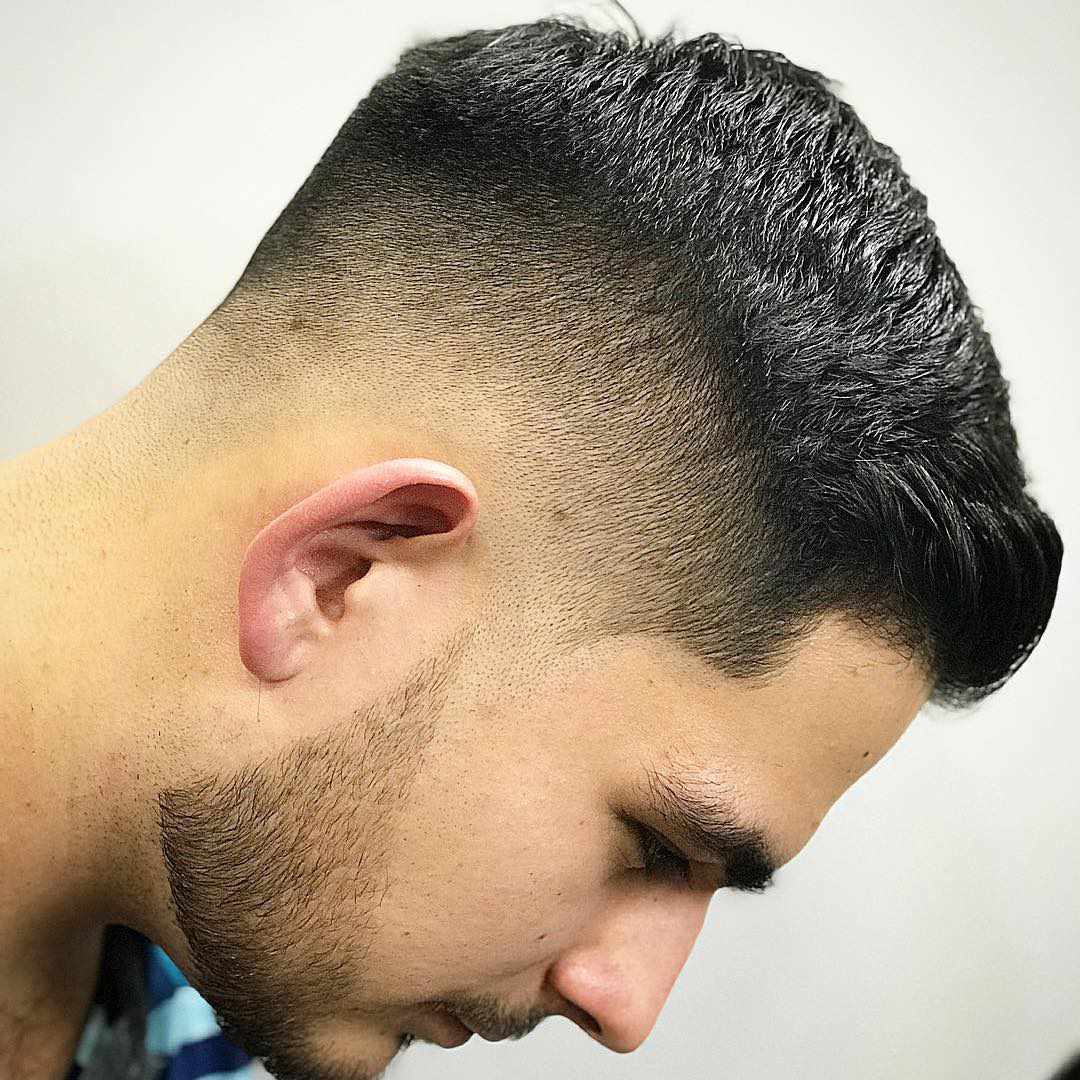
Prep your hair and find a skilled barber
A fresh fade starts before you sit in the chair. The goal is to arrive with clean, manageable hair so the barber can focus on the cut rather than fighting through product buildup or tangles. This preparation ensures the clippers glide smoothly and the fade blends evenly from the start.
Wash and dry your hair
Shampoo your hair on the day of your appointment. Avoid heavy conditioners or styling products that leave residue. If your hair is naturally curly or coily, use a moisturizing shampoo to define your texture, but keep the rinse thorough. Dry your hair completely; cutting damp hair can lead to uneven shrinkage once it dries, throwing off the balance of the fade.
Research local barbers
Finding a barber who specializes in modern fades is essential for getting the right result. Look for stylists who showcase specific fade work in their portfolios, such as low, mid, or high fades, rather than general grooming services. Check recent reviews and photo galleries to verify their skill with your specific hair type. A barber who understands the nuances of your hair texture will adjust their technique to prevent uneven patches or harsh lines.
Book the appointment
Schedule your cut at least a week in advance, especially if you are trying a new barber. This gives you time to see their recent work and ensures they have an opening. When booking, mention your hair type and any specific concerns, such as thinning areas or curly textures. This allows the barber to allocate enough time for a thorough consultation and cut, ensuring you leave with a modern fade that matches your hair type.
Communicate fade height and blend details
Specifying the fade height is the most critical part of the conversation. If you don't define where the fade starts, the barber will guess, and the result might not match your hair type or face shape. A low fade stays near the temples, a mid fade hits the center of the head, and a high fade climbs toward the parietal ridge. Each height changes the visual weight of your modern fades look.
Beyond height, the blend style determines how the hair transitions from skin to length. A hard part creates a sharp line, while a soft blend offers a more natural, gradual fade. For curly or thick hair, a higher fade often provides a cleaner silhouette, whereas lower fades can sometimes look bulky if the hair isn't textured correctly.
Use the table below to visualize the differences between fade heights and see which option best suits your specific hair texture and maintenance preferences.
| Fade Height | Visual Location | Best Hair Types | Maintenance Frequency |
|---|---|---|---|
| Low | Starts just above the ears | Straight, fine, or wavy hair | Every 2-3 weeks |
| Mid | Starts at the center of the side of the head | Most hair types, including curly | Every 2-3 weeks |
| High | Starts near the parietal ridge, high on the head | Thick, coarse, or very curly hair | Every 1-2 weeks |
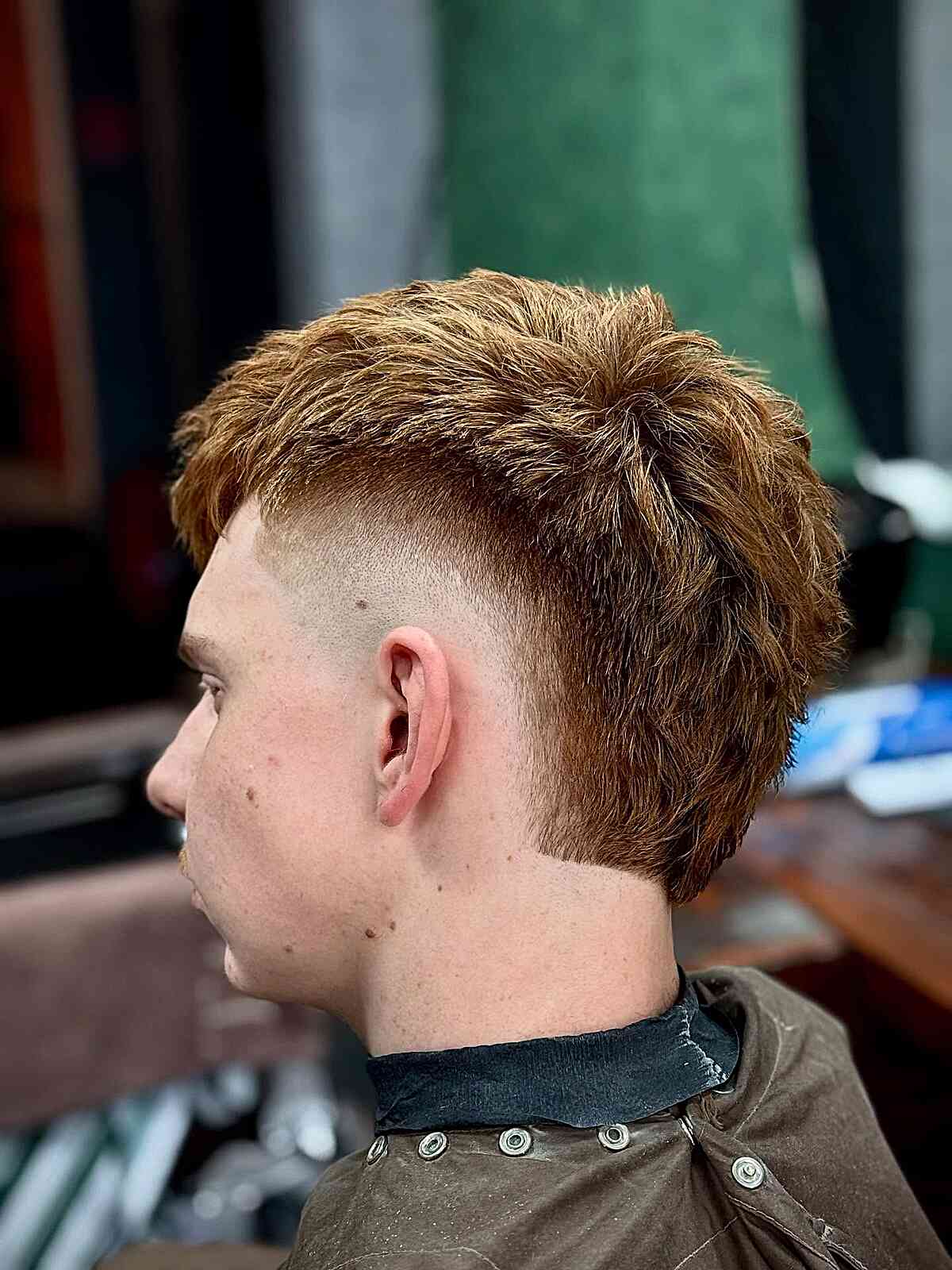
When you sit in the chair, point to the exact spot on your head where you want the transition to begin. Showing a photo of a modern fade that matches your desired height helps eliminate ambiguity. If you are unsure, ask your barber to demonstrate the blend with their clippers before they commit to the final cut. This collaborative approach ensures the final style complements your hair's natural growth pattern and density.
Style and maintain your modern fade
A modern fade looks sharp the day you leave the barbershop, but it starts to blur within days if you don't support it. The fade relies on clean lines and smooth gradients that hair grows out quickly. You can extend the life of the cut and keep your hair type looking intentional with a simple routine.
1. Wash with a gentle, moisturizing shampoo
Harsh sulfates strip natural oils, making hair brittle and harder to style. Use a sulfate-free shampoo two to three times a week. This keeps the scalp healthy without drying out the hair shaft. For curly or coily hair types, co-washing (using conditioner only) between shampoos helps maintain moisture and definition without flattening the texture.
2. Apply a light moisturizer or leave-in conditioner
Hydration is the secret to keeping a fade looking fresh. Dry hair looks frizzy and undefined, which makes the fade look messy. Apply a small amount of leave-in conditioner or light hair cream to damp hair. Focus on the top and sides, avoiding the very bottom of the fade where you want the skin to remain visible. This step keeps the hair pliable and easier to shape.
3. Style with a low-shine product
Heavy, high-shine gels can make hair look wet and unnatural, especially in a modern fade. Instead, use a light pomade, clay, or fiber. These products provide hold without stiffness. Work a pea-sized amount between your palms and distribute it evenly through the top. If you have straight hair, a light sea salt spray can add texture. For curly hair, a curl-defining cream enhances the pattern without weighing it down.
4. Use clippers for touch-ups
Barber visits are expensive, so bridging the gap between appointments is essential. Keep a set of body clippers at home with a guard that matches your fade's lowest setting (usually a #0.5 or #1). Once a week, carefully trim the hairline and the very bottom of the fade to remove the "shadow" of regrowth. Be conservative; you can always cut more, but you can't put hair back.
5. Protect your hair at night
Friction from cotton pillowcases causes breakage and frizz, which ruins the clean lines of a fade. Sleep on a silk or satin pillowcase, or wear a silk bonnet. This reduces friction and keeps your hair moisturized. If you have longer hair on top, loosely tie it back or fluff it gently in the morning to restore volume.
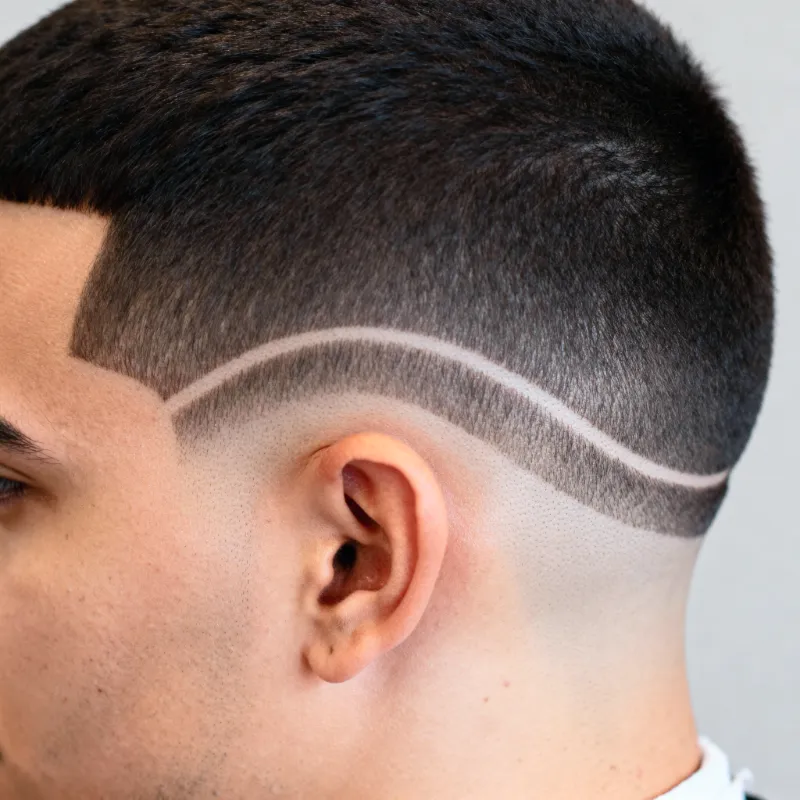
Start with clean, damp hair. Apply a leave-in conditioner to hydrate the strands and make them easier to manage. This is the foundation for any style.
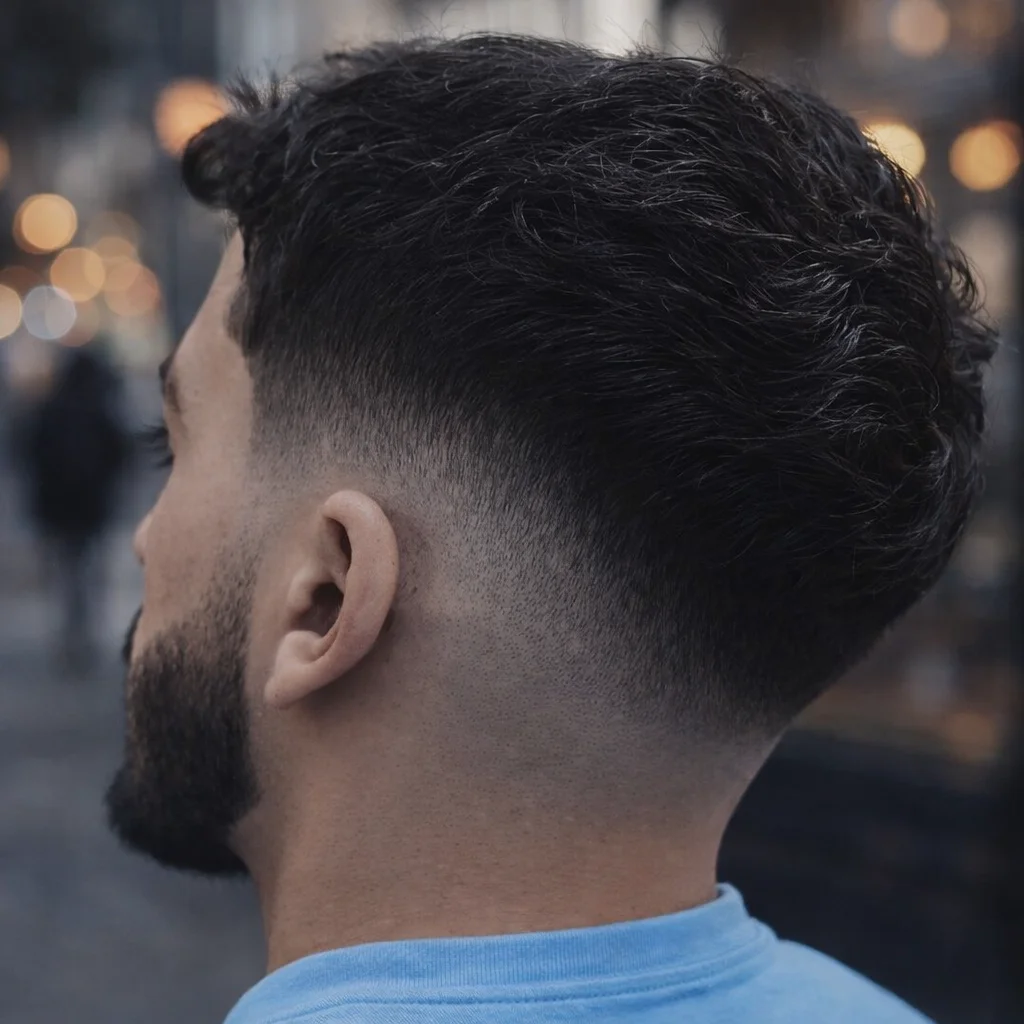
Rub a small amount of clay or pomade between your palms. Work it through the top section, using your fingers to create texture and direction.
Use body clippers with a guard to clean up the neckline and around the ears. Keep the fade line sharp by blending the edges slightly.
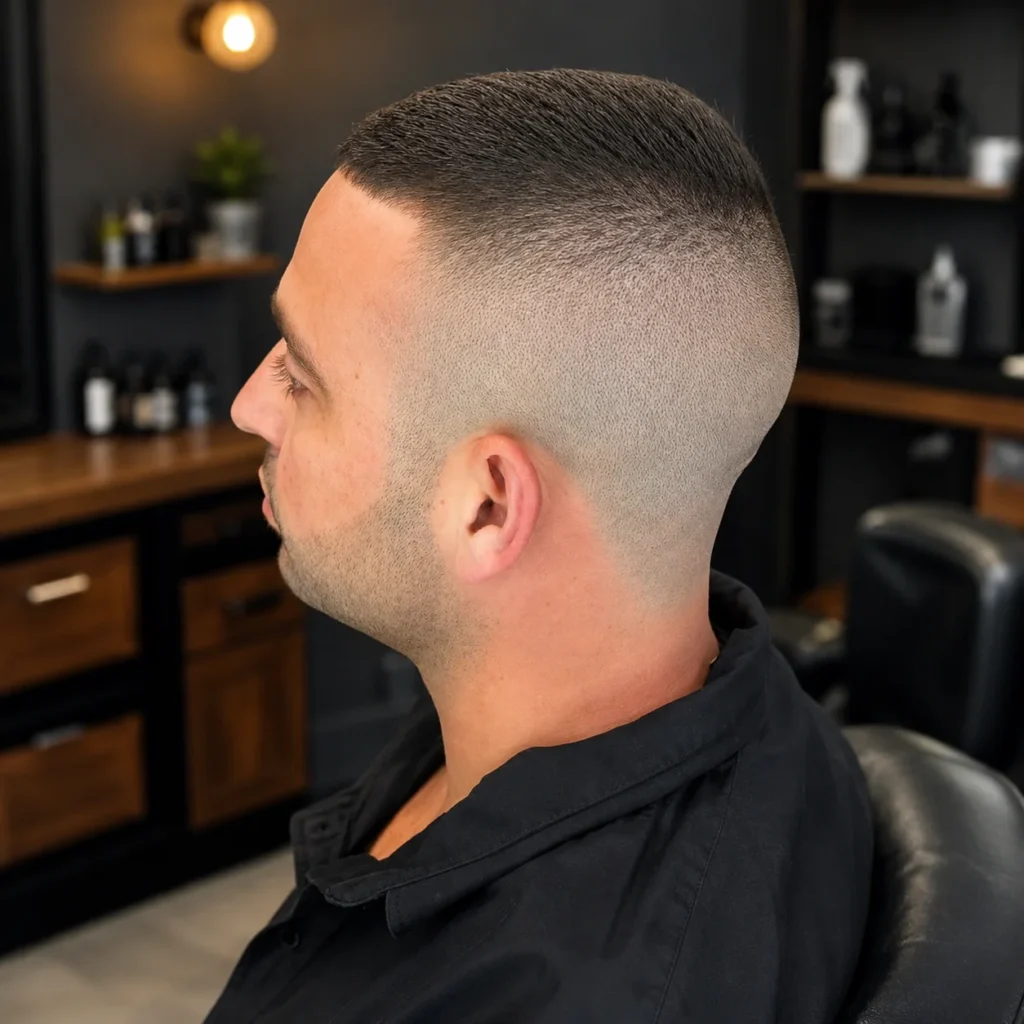
Check your hair in different lighting. Ensure there are no stray hairs and the gradient is smooth. Style any flyaways with a tiny bit of product.

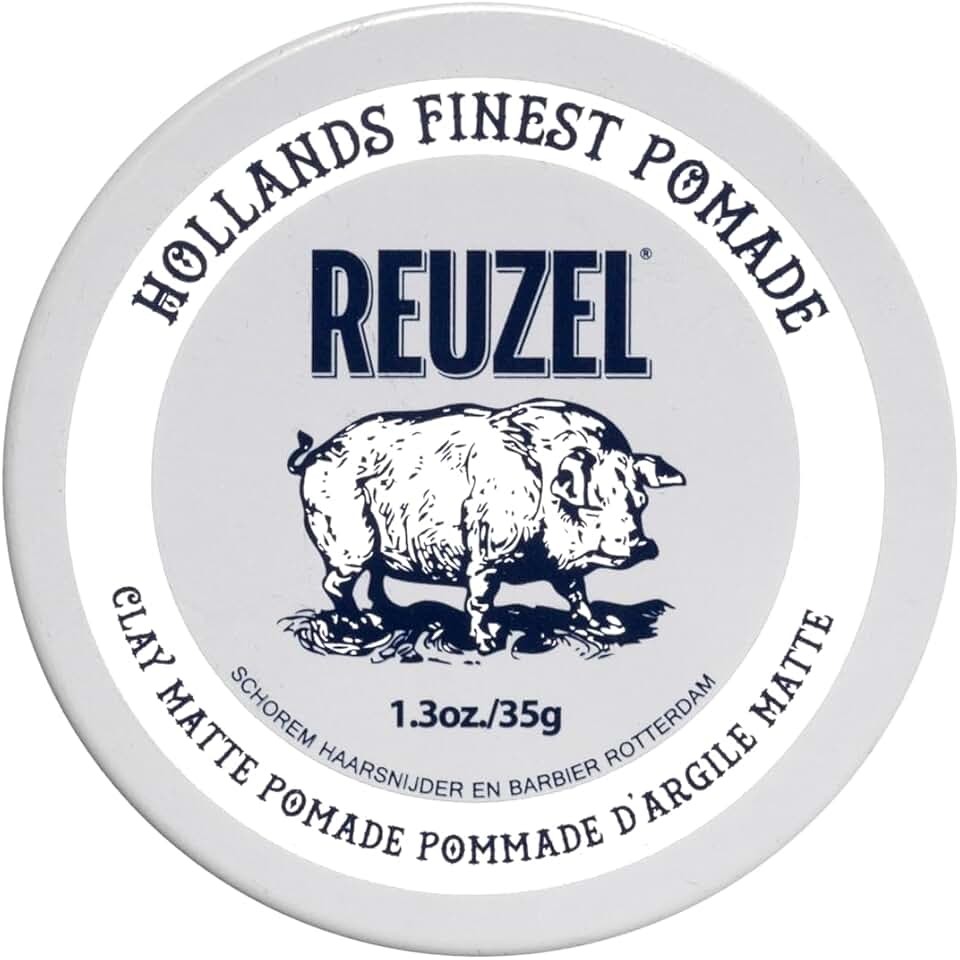

As an Amazon Associate, we may earn from qualifying purchases.
Common fade mistakes to avoid
Even with the right tools, small errors in communication or maintenance can ruin a modern fade. The difference between a sharp look and a messy one usually comes down to how you prepare for the cut and how you handle the regrowth phase.
Skipping the reference photo
Describing a fade verbally is rarely accurate. Terms like "low," "mid," or "high" mean different things to different barbers. Instead of relying on a description, bring a clear photo of the exact fade you want. This visual guide eliminates guesswork and ensures the barber understands the gradient line you are aiming for.
Waiting too long between cuts
Modern fades rely on clean lines and sharp contrasts. If you wait four weeks or more, the hair at the fade line will grow out, blurring the definition. To keep the look crisp, schedule maintenance cuts every two to three weeks. This frequency prevents the fade from looking unkempt and maintains the sharp transition from skin to hair.
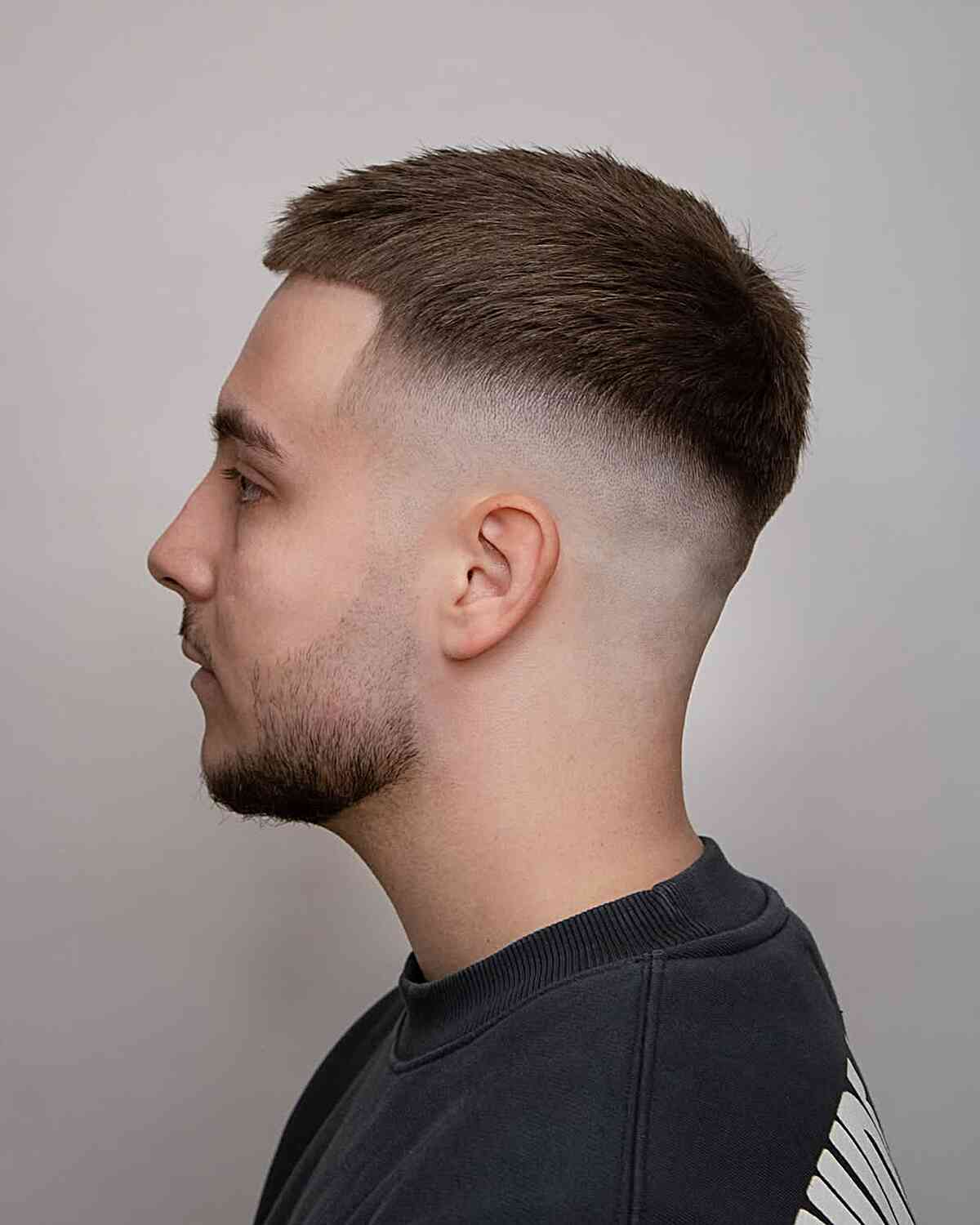
Bring a clear reference photo to your appointment. Point out the specific fade height and blend line you prefer to ensure your barber understands your vision.
Explain your hair type and growth patterns. A barber can adjust the clipper guards and blending technique to suit straight, wavy, or curly hair.
Return for a trim every two to three weeks. Regular maintenance keeps the fade line sharp and prevents the look from becoming unkempt.
Questions About Modern Fades
Getting a modern fade that matches your hair type comes down to clear communication and realistic maintenance. Here are the most common questions about keeping the look sharp.
No comments yet. Be the first to share your thoughts!