
Assess your hair texture first
Before you book an appointment or buy styling product, you need to know what you are working with. Hair texture determines how a cut grows, how it holds shape, and which styles will actually look good on you. The three main categories are straight, wavy, and curly. Identifying yours is the foundation for choosing the right men's haircut.
The easiest way to check is with clean, product-free hair. Wash your hair and let it air dry without brushing or touching it. Once dry, look at the shape of your strands in the mirror or on a white towel. This natural state reveals your true texture without the distortion of heat tools or gels.
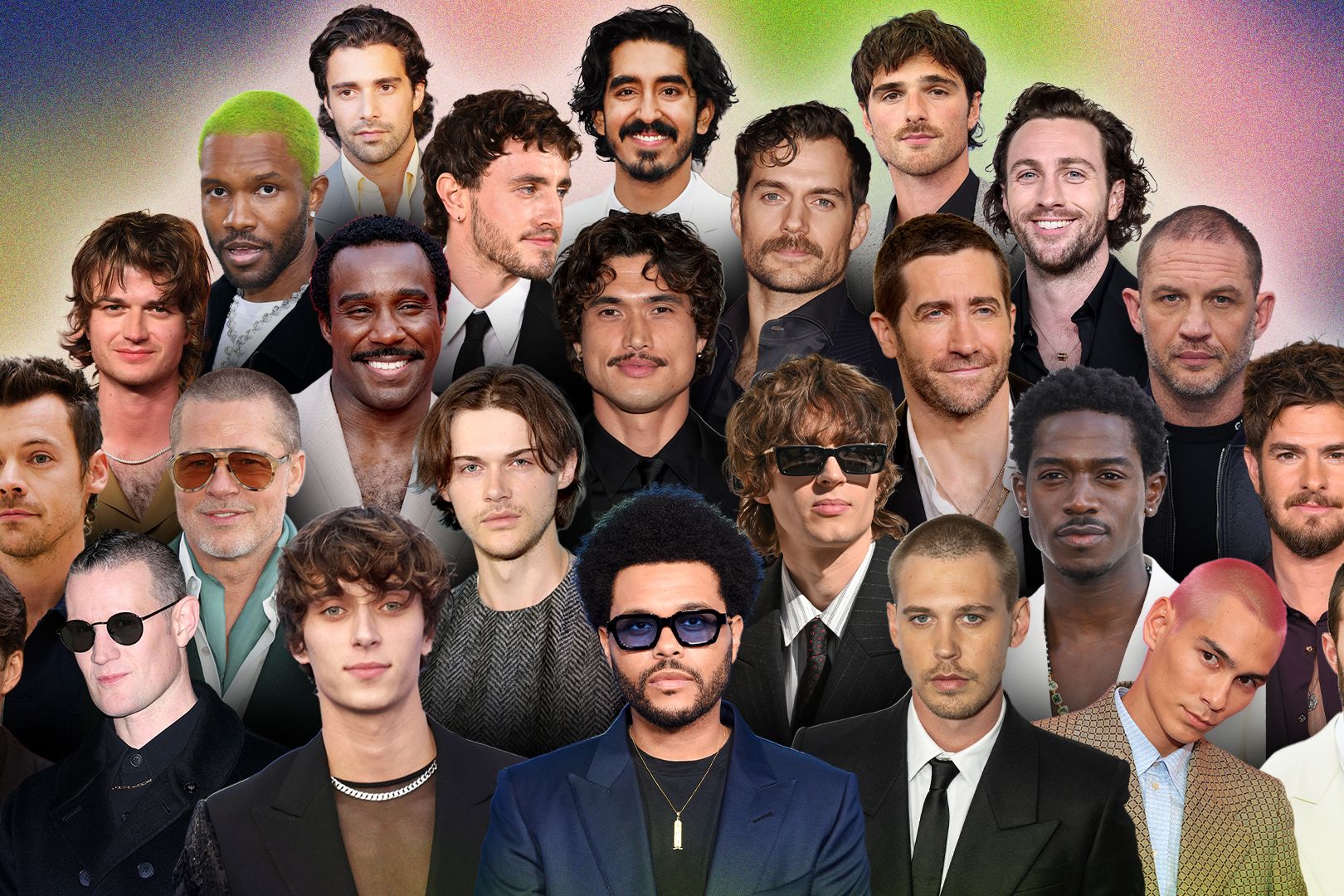
Straight hair
Straight hair lies flat against the scalp and lacks natural wave or curl. It often looks sleek but can appear limp or oily quickly because sebum travels down the hair shaft easily. This texture holds sharp lines and fades well, making it ideal for classic cuts like the crew cut, low taper, or modern mullet. Because it lacks volume, straight hair benefits from texturizing products or layered cuts to add movement.
Wavy hair
Wavy hair forms an "S" shape rather than lying flat or curling tightly. It has more volume than straight hair and tends to frizz in humidity. This texture is versatile and works well with medium-length styles like curtain bangs, textured fringes, or messy quiffs. The key is to avoid cutting it too short on the sides if you want to maintain the wave pattern on top, as tight fades can sometimes disrupt the natural flow.
Curly hair
Curly hair forms tight coils or ringlets and shrinks significantly when dry. It is often drier than straight or wavy hair because natural oils struggle to reach the ends of the curls. This texture requires cuts that account for shrinkage, such as tapered fades that blend into the curls or defined shapes like the afro or curly top. Over-cutting curly hair can lead to uneven shapes, so working with a barber who understands curl patterns is essential.
Style straight hair with texture
Straight hair often lies flat because the cuticle is smooth and the follicle shape is round. Without intervention, it can look limp or overly severe. The goal is to create movement and volume where there isn't any naturally. You achieve this by choosing cuts that remove weight from the top while keeping enough length to style, or by adding strategic layers that force the hair to stand up or fall in disjointed patterns.
Textured fringe
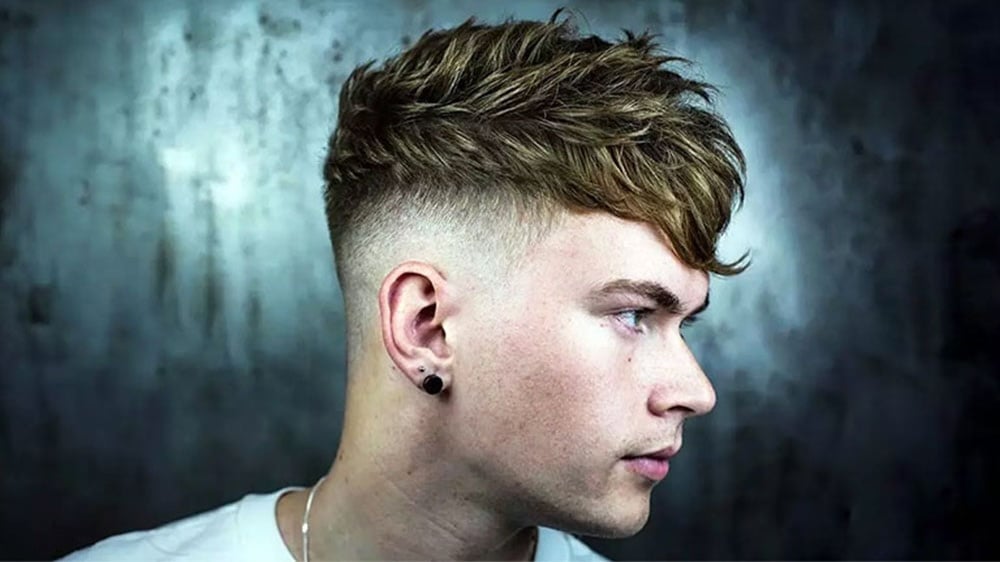
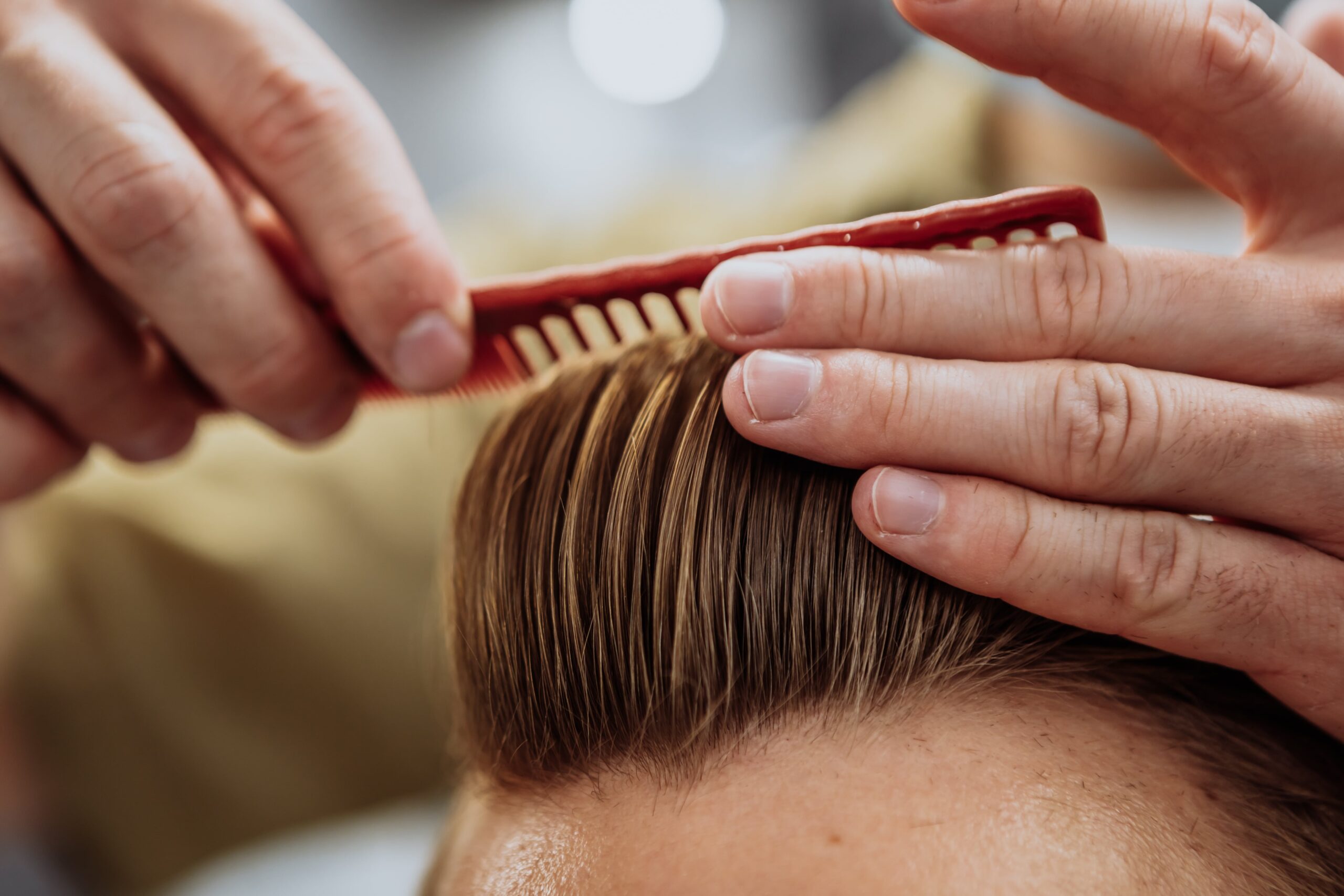
A textured fringe works by keeping the hair on top longer (typically 2-4 inches) and cutting it with heavy point-cutting techniques. This removes bulk without shortening the overall length, allowing the hair to fall forward with a messy, piecey finish. It works well because the weight of the fringe pulls the hair down slightly, but the texture prevents it from looking like a solid helmet. Style it with a matte clay to separate the strands and create that "just woke up" volume.
Modern mullet
The modern mullet is the most effective way to add immediate volume to the crown of straight hair. Unlike the 1980s version, this style keeps the front short and manageable while leaving significant length in the back. The contrast between the short sides and the long back creates a silhouette that looks thicker than it actually is. It’s a bold choice that relies on the natural weight of the hair at the nape to create interest.
Curtain bangs
Curtain bangs split the hair down the middle and sweep it outward. This style works particularly well for men with straight hair because the outward sweep creates a natural arch at the forehead. This arch lifts the hair away from the scalp, creating instant volume at the roots. It requires a bit of blow-drying technique to set the direction, but once styled, it frames the face and adds a softness that balances out the rigidity of straight strands.
Enhance waves with layering
Wavy hair sits between straight and curly, meaning it needs structure to prevent frizz while allowing natural movement. Layering is the primary tool for this balance. It removes bulk from the mid-lengths and ends, letting the wave pattern spring forward rather than drooping downward. Without layers, wavy hair often looks heavy or triangular. With them, it gains shape and definition.
The foundation for wavy hair is typically a low taper. This style keeps the hairline clean around the ears and neck without exposing too much scalp, which can make the hair on top look sparse by comparison. A low taper provides a subtle frame that complements the volume on top. It works with the hair’s natural texture rather than fighting it.
For medium-length waves, the goal is to maintain length while adding texture. Ask your barber for point-cutting or texturizing shears to remove weight without shortening the overall look. This technique creates internal layers that allow the waves to clump together naturally. Avoid blunt cuts, which can create a hard line that disrupts the wave pattern.
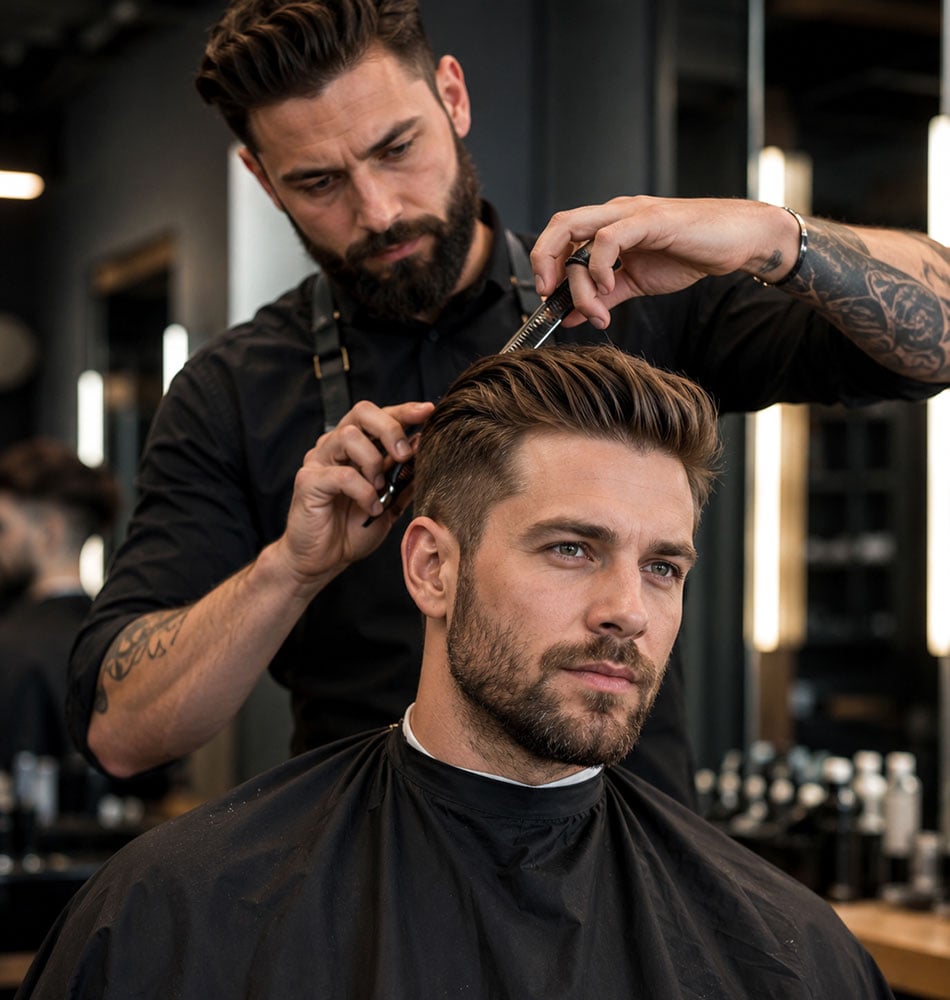
To style this look, start with damp hair and apply a light styling cream or sea salt spray. Use your fingers to scrunch the hair upward, encouraging the wave formation. Avoid brushing dry hair, as this breaks up the wave clumps and creates frizz. Let it air dry or use a diffuser on low heat to set the shape without disturbing the pattern.
Manage curls with shape
Curly hair naturally expands, which can make a style look bulky or undefined if the barber doesn't account for density. The goal is to remove weight from the sides and back while keeping enough length on top to let the curls form naturally. This approach maintains volume where it counts while creating a clean silhouette.
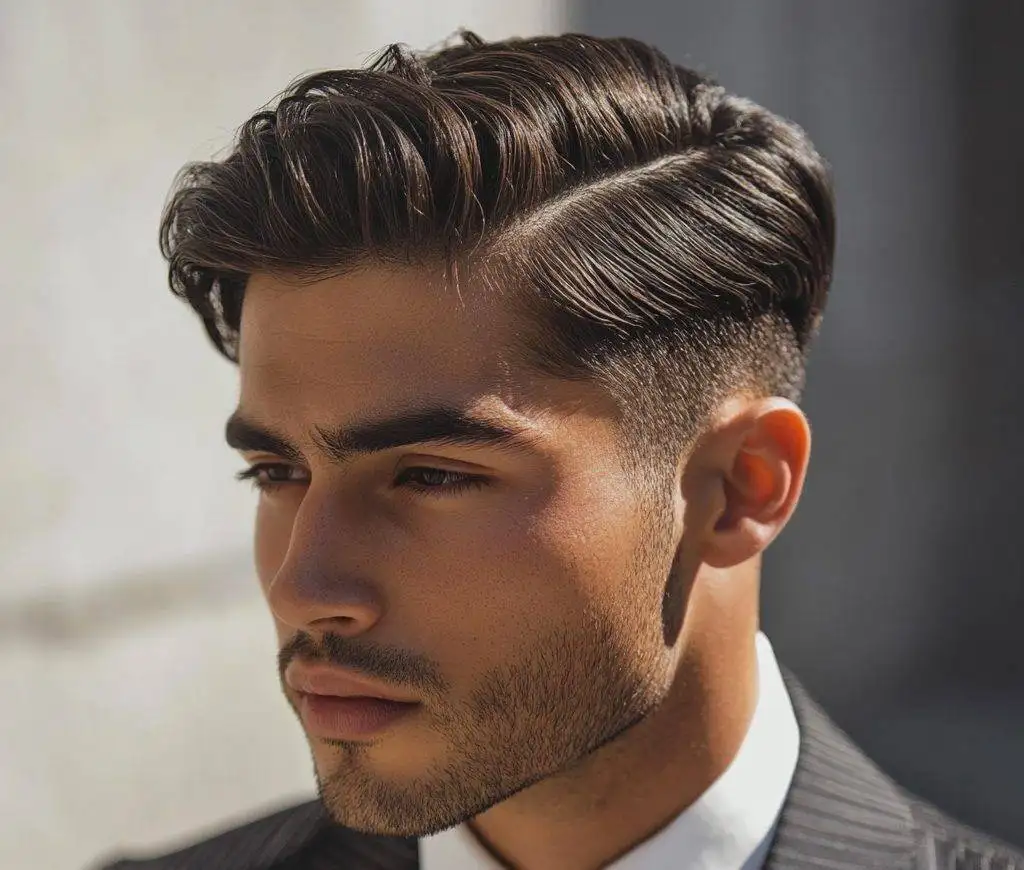
Start by identifying your curl pattern. Coils shrink significantly when dry, so you need more length on top than straight hair requires. If your curls are tight, a shorter crop prevents the "mushroom" effect. For looser curls, you can carry more weight on top for a textured look. Communicate this shrinkage factor to your barber so they cut with the dry or damp state in mind, not just the stretched wet state.
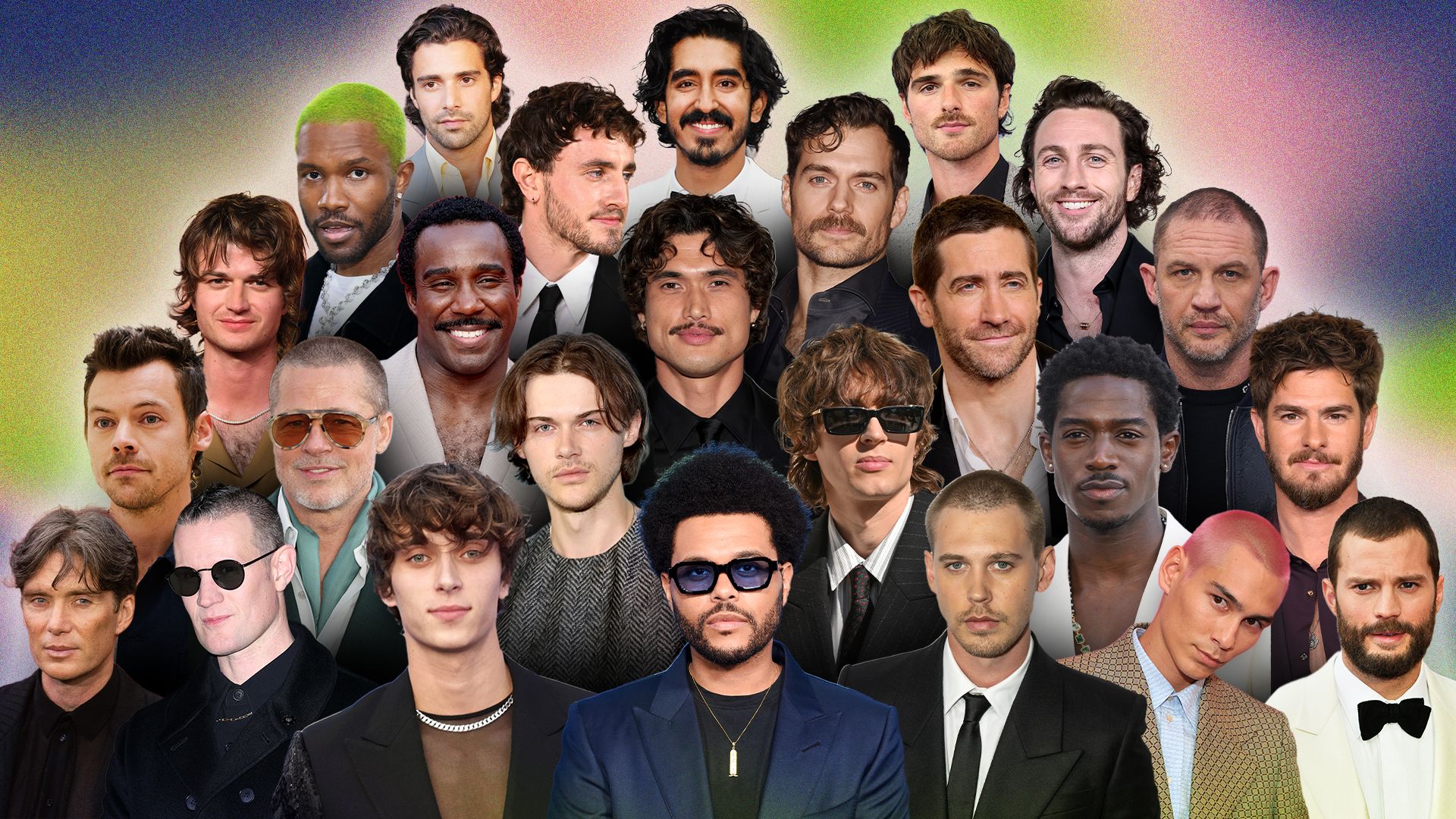
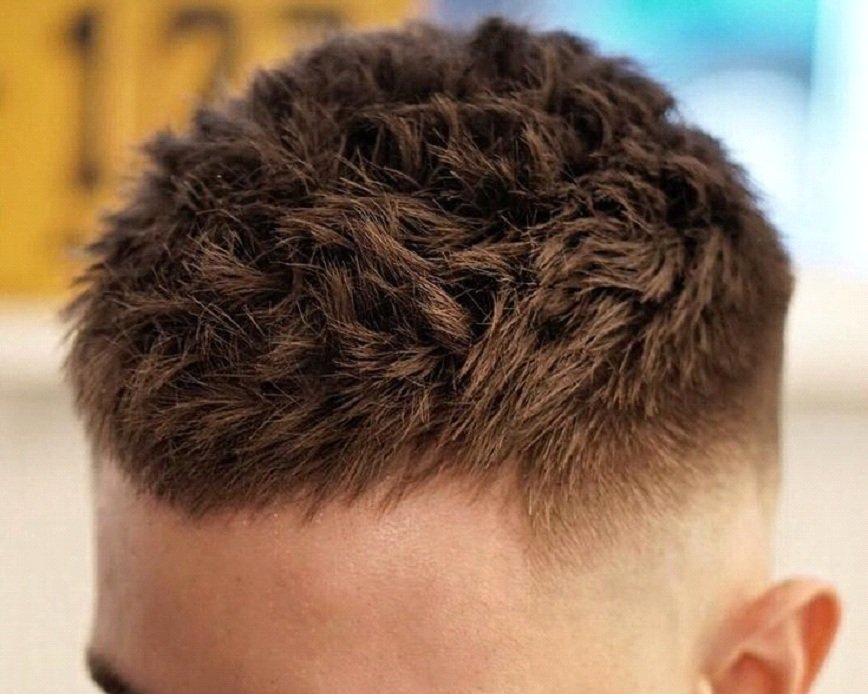
A burst fade or low taper removes bulk from the sides without exposing the scalp entirely. This keeps the focus on the top while providing a sharp contrast that defines the shape. A burst fade works particularly well for curly hair because it follows the natural curve of the ear, reducing the chance of awkward gaps as the hair grows out. Avoid high fades if your curls are very tight, as they can make the head look too round.
After washing, apply a leave-in conditioner or curl cream to damp hair. Use your fingers or a wide-tooth comb to distribute the product evenly, encouraging the curls to clump together rather than frizz. Avoid heavy gels that can weigh down the volume. Let the hair air dry or use a diffuser on low heat to maintain the natural pattern without disrupting the shape your barber created.
This method keeps the haircut manageable between visits. By removing weight strategically, you reduce the daily styling time while ensuring the style looks intentional rather than overgrown.
Compare fade heights and styles
The height of a fade determines how much contrast you get against your natural hairline. It also dictates how often you need to visit the barber to keep the shape clean. Choosing the right height depends on your face shape and how much time you spend grooming.
Use the table below to match a fade level with your features and maintenance preferences.
| Fade Level | Best For Face Shape | Maintenance Level | Visual Effect |
|---|---|---|---|
| Low Fade | Round, Square | Every 2-3 weeks | Subtle contrast; keeps hair grounded |
| Mid Fade | Oval, Heart, Diamond | Every 2 weeks | Balanced proportion; versatile for styling |
| High Fade | Long, Oblong, Square | Every 1-2 weeks | Maximum contrast; elongates the face |
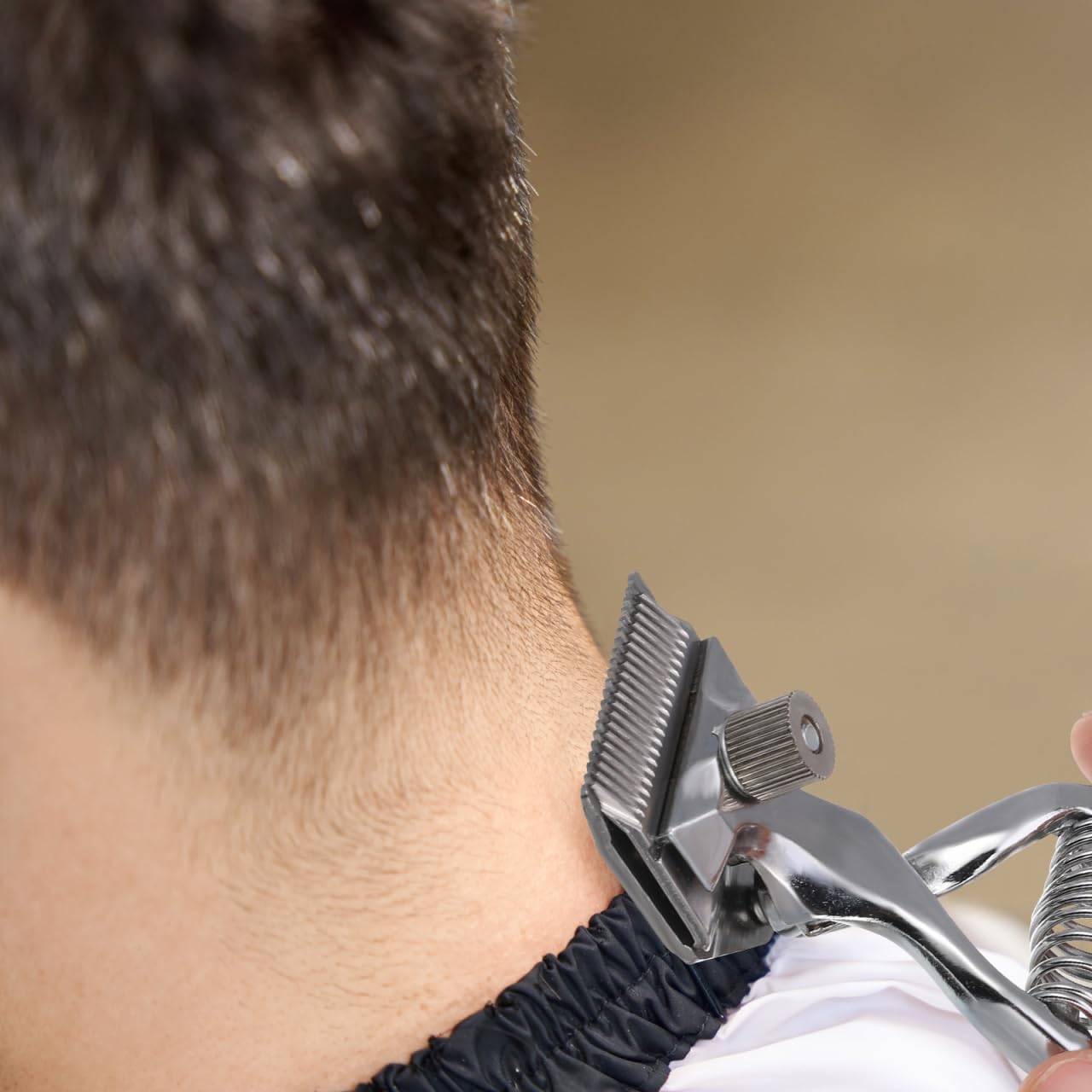
A low fade starts just above the ears and stays close to the hairline. This option adds minimal volume on top, making it ideal for round or square faces where you want to avoid adding height. Because the transition is gradual, it grows out gracefully, requiring less frequent touch-ups.
A mid fade begins near the temple’s arch. This is the most versatile option, working well with oval, heart, and diamond face shapes. It provides enough contrast to define the jawline without looking too harsh. Most barbers recommend this height for everyday styles like quiffs or side parts.
A high fade starts much higher on the head, often blending into the parietal ridge. This creates a sharp, bold look that works best for long or oblong faces by adding width rather than height. The stark contrast requires more frequent barber visits to maintain the crisp line.
Prepare for your barber visit
Start Choose the Right Men's Haircut for Your Hair Type with the constraint that matters most in real life: space, timing, budget, skill level, maintenance, or availability. That first constraint should shape the rest of the plan instead of appearing as an afterthought. Keep the first pass simple enough to verify. Compare the main options against the same criteria, remove choices that only work in ideal conditions, and save optional upgrades for later.
Common questions about haircuts
Choosing the right men's haircut depends on matching the style to your specific hair texture and density. A cut that works for straight hair might look messy on thick curls if not layered correctly.
How do I choose a haircut for my hair type?
Start by assessing your hair's natural behavior. Straight hair often looks best with sharp lines and fades, while wavy or curly hair benefits from longer tops to allow for natural movement. Compare options based on how much styling product you are willing to use daily.
How often should I get a haircut?
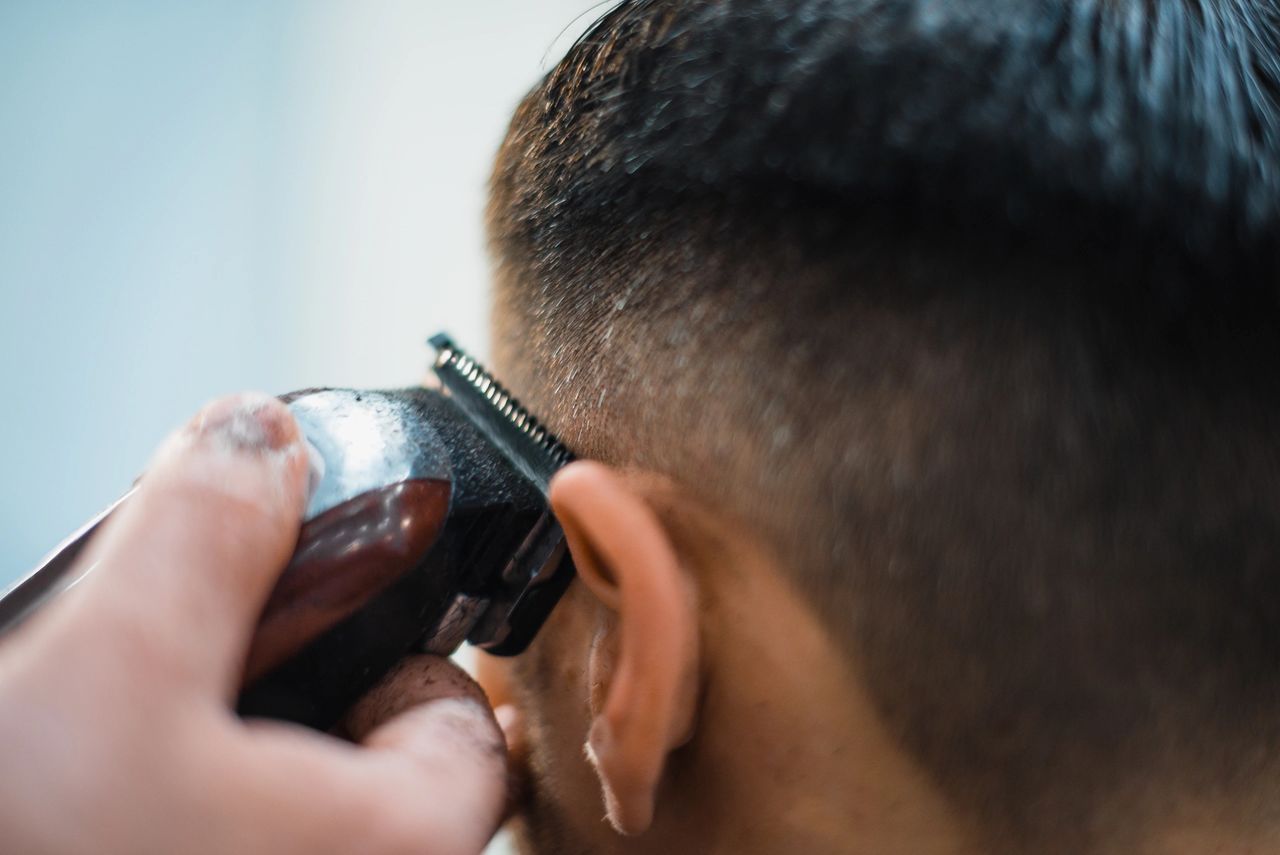
Maintenance frequency depends on the cut. Short styles like crew cuts or low tapers require trims every two to three weeks to keep the shape clean. Longer styles can go four to six weeks between visits. Consistent trimming prevents split ends and keeps the style looking sharp.
What styling products work best for different textures?
Use light pomade or sea salt spray for straight and wavy hair to add texture without weight. For curly or coily hair, opt for creams or gels that provide hold and moisture. Avoid heavy waxes on fine hair, as they can make strands look greasy and flat.
No comments yet. Be the first to share your thoughts!