

Get men's haircuts right
A low-maintenance modern fade requires a clear plan to avoid the "helmet" effect or rapid regrowth that ruins the shape. Success depends on matching the fade height to your hair texture and face shape, not just picking a trendy style.
Start by identifying your hair texture. Straight hair often benefits from a low taper to add structure without bulk, while coarse or curly hair can handle a burst fade to manage volume while keeping the sides clean. Knowing this helps you ask for the right guard lengths and blend points.
Next, check your face shape using the "3 inch rule." Measure from the bottom of your ear to the bottom of your chin. If that distance is under 3 inches, shorter hair usually frames your face better. If it is over 3 inches, longer hair might drag your features down, making a tighter fade a safer bet for balance.
Finally, be honest about your maintenance routine. A high fade looks great but demands weekly touch-ups. A low fade or soft taper grows out more gracefully, giving you weeks of good looks with minimal effort. Choose the fade height that matches your willingness to visit the chair regularly.
Work through the steps
A low-maintenance modern fade is less about standing still and more about moving with your hair’s natural growth pattern. The goal is a cut that stays sharp for weeks without daily styling products or complex routines. Whether you have straight, wavy, or thinning hair, the structure of the fade provides the shape while the top remains simple to manage.
Follow this sequence to get the most out of your next barber visit or at-home trim. Each step builds on the last to ensure the transition from skin to hair is smooth and the top length complements your face shape.
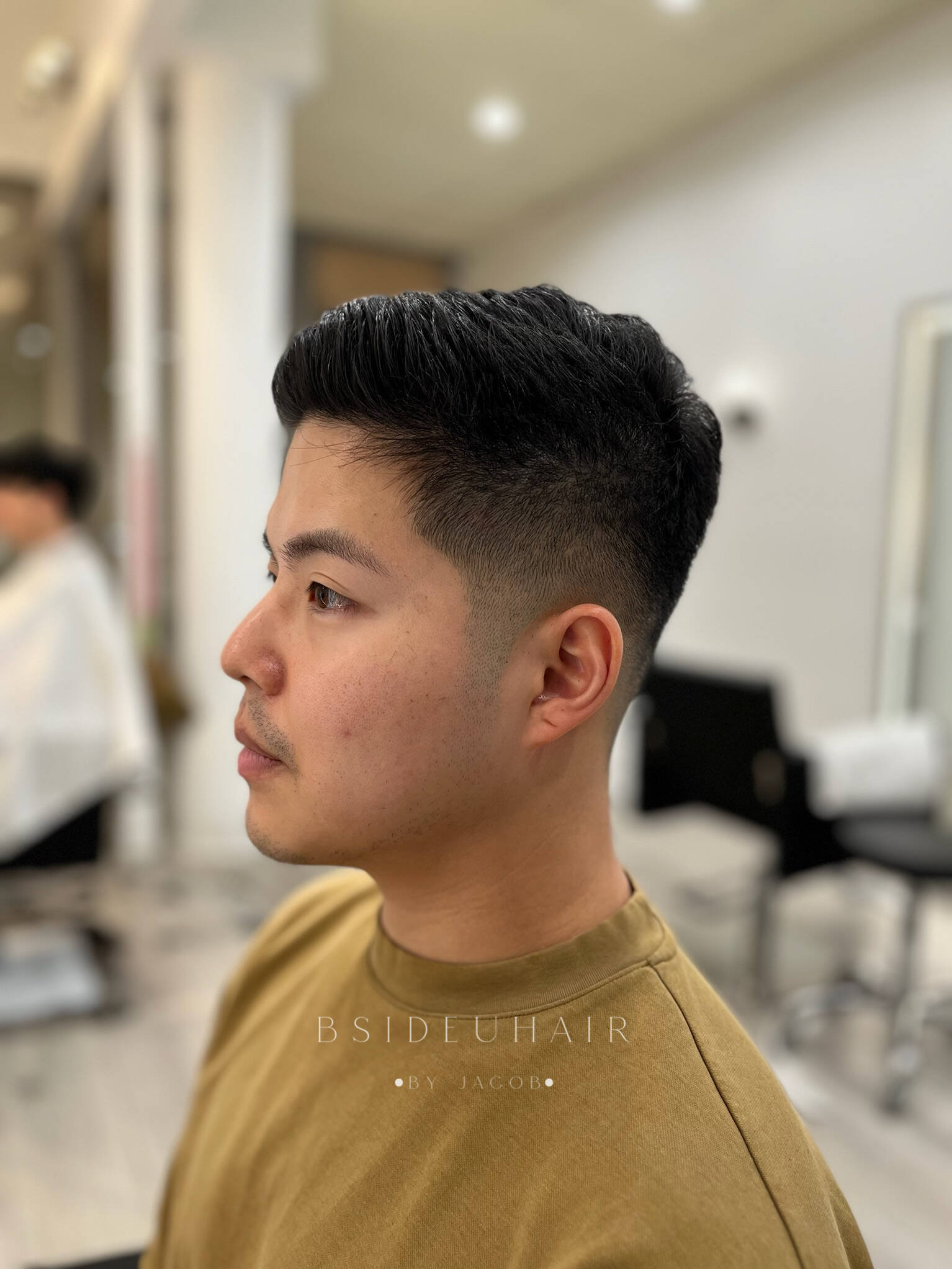
Start by deciding where the fade begins. For a truly low-maintenance look, keep the fade line low, just above the ears and curving slightly up the back of the head. This area grows out less noticeably than a high skin fade, giving you more time between cuts. Ask your barber for a "low taper" or "low fade" if you want the hairline to remain visible but clean.
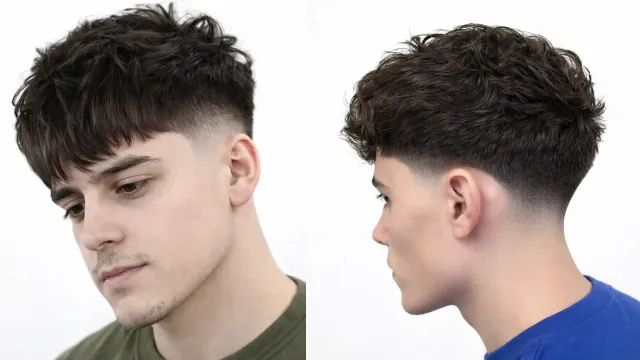
The top should be long enough to lay flat or have slight texture but short enough to avoid daily blow-drying. For most hair types, 1.5 to 2.5 inches is the sweet spot. If you have straight hair, keep it on the shorter end to prevent it from falling flat. If you have wavy or curly hair, you can go slightly longer to let the natural pattern emerge without product.
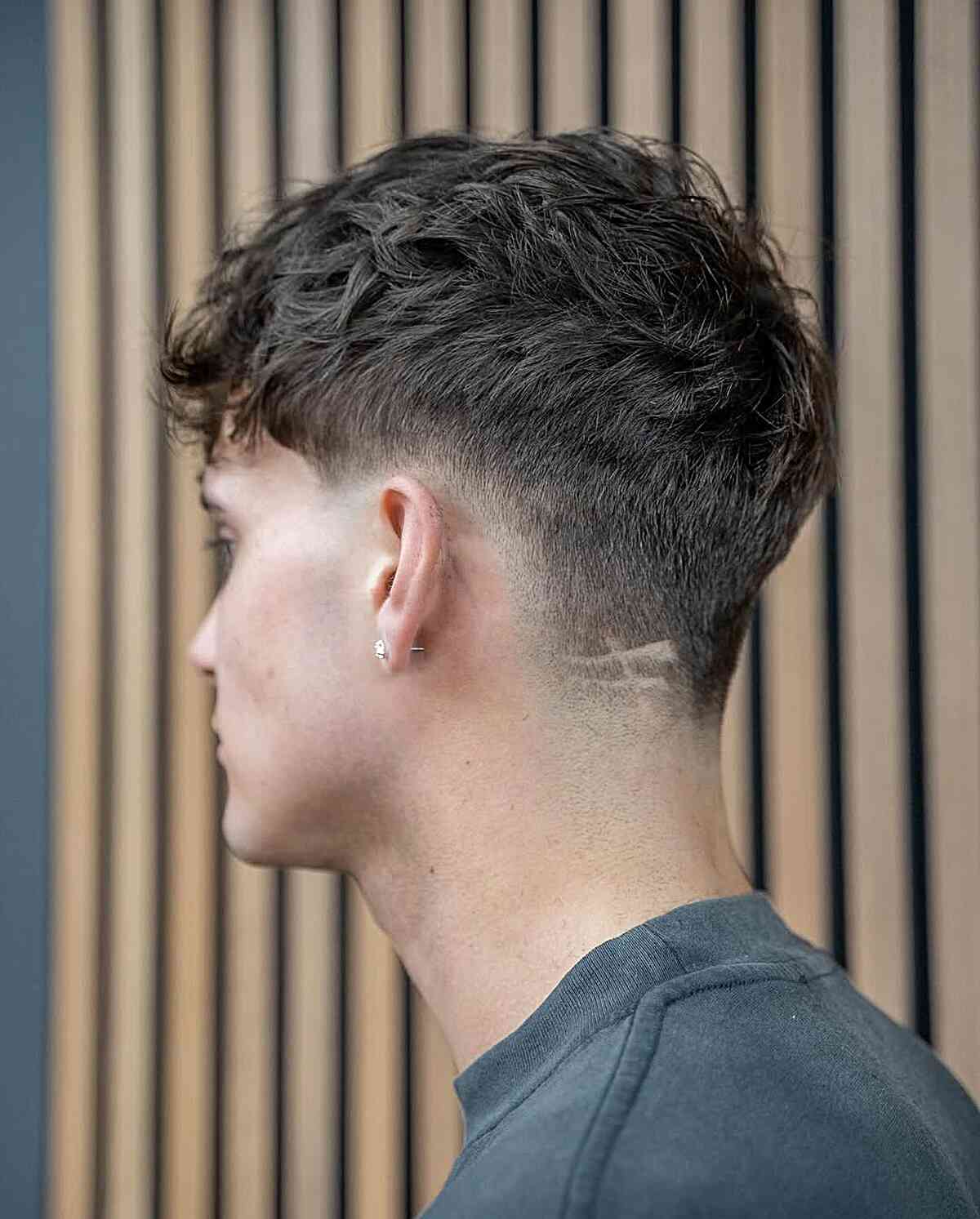
The most critical part of a modern fade is the blend. The barber should use clippers with guard attachments to gradually shorten the hair from the top down to the fade line. There should be no hard lines or "steps" where the long hair meets the short sides. A clean blend means you can run your hand through your hair in the morning and it looks intentional, not messy.
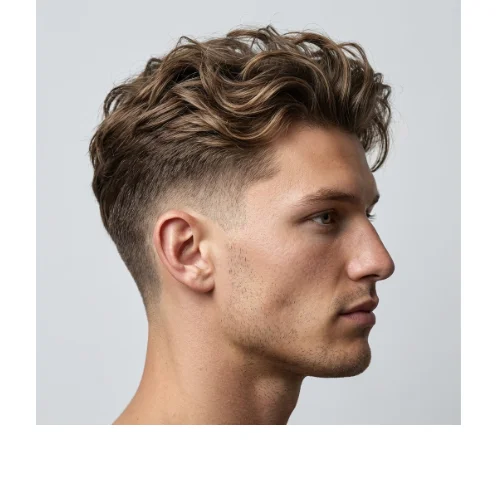
Once the length is set, the barber should point-cut or thin the top to remove bulk. This step is essential for straight hair, which can look heavy and helmet-like if too thick. For wavy or curly hair, texturizing helps the waves separate naturally. The result should be hair that moves with gravity rather than standing up or sticking out.
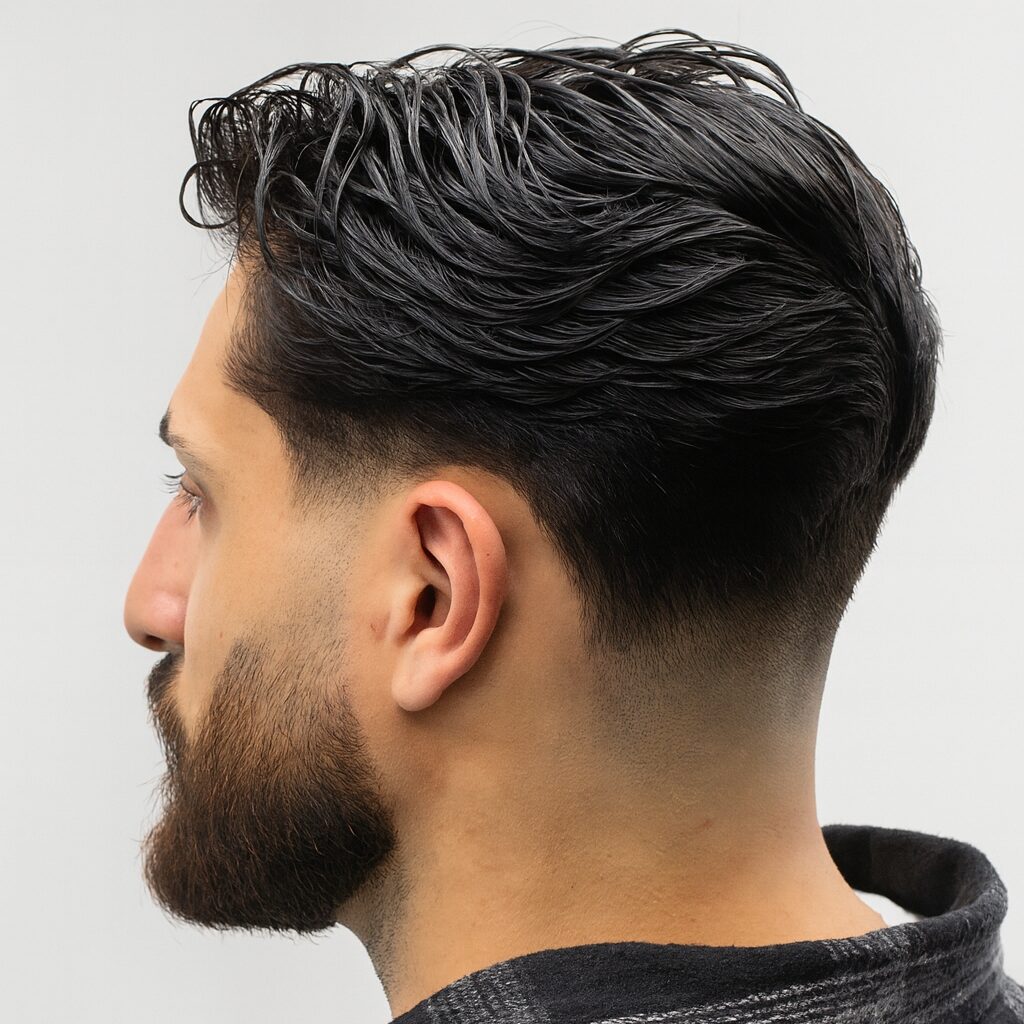
Complete the cut by cleaning up the neckline and sideburns. A straight or slightly curved neckline looks modern and sharp. Sideburns should be trimmed to a medium length—long enough to frame the face but short enough to avoid looking unkempt. Avoid over-trimming the sideburns, as they can make the face look narrower than it is.
After the cut, maintenance is minimal. Wash your hair 2-3 times a week with a gentle shampoo. If you have straight hair, a light matte paste can add texture without shine. For wavy or curly hair, a simple leave-in conditioner is often enough to keep the waves defined. Avoid heavy gels or waxes, which can weigh down the fade and make the top look greasy by midday.
The key to longevity is regular trims. Even a low-maintenance fade needs a touch-up every 3-4 weeks to keep the blend sharp. If you let it grow out too long, the fade disappears into a bowl cut, defeating the purpose of the style. Schedule your next appointment before the current one looks sloppy, not after.
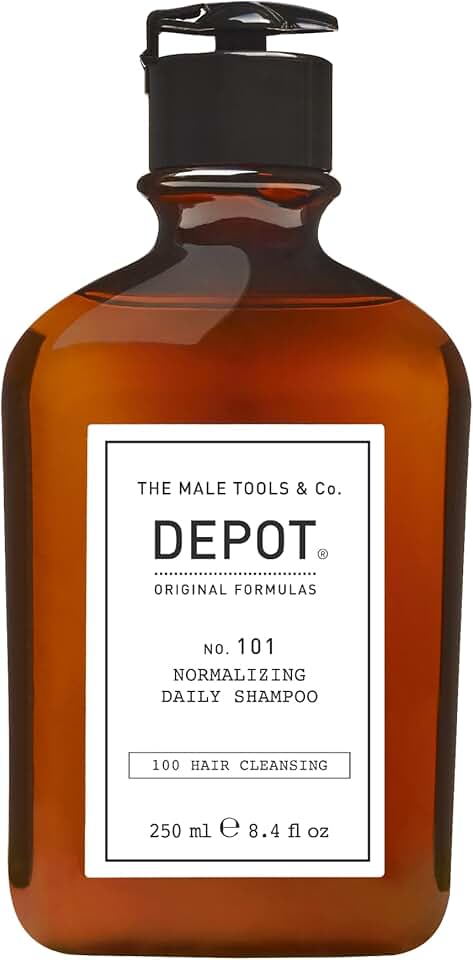

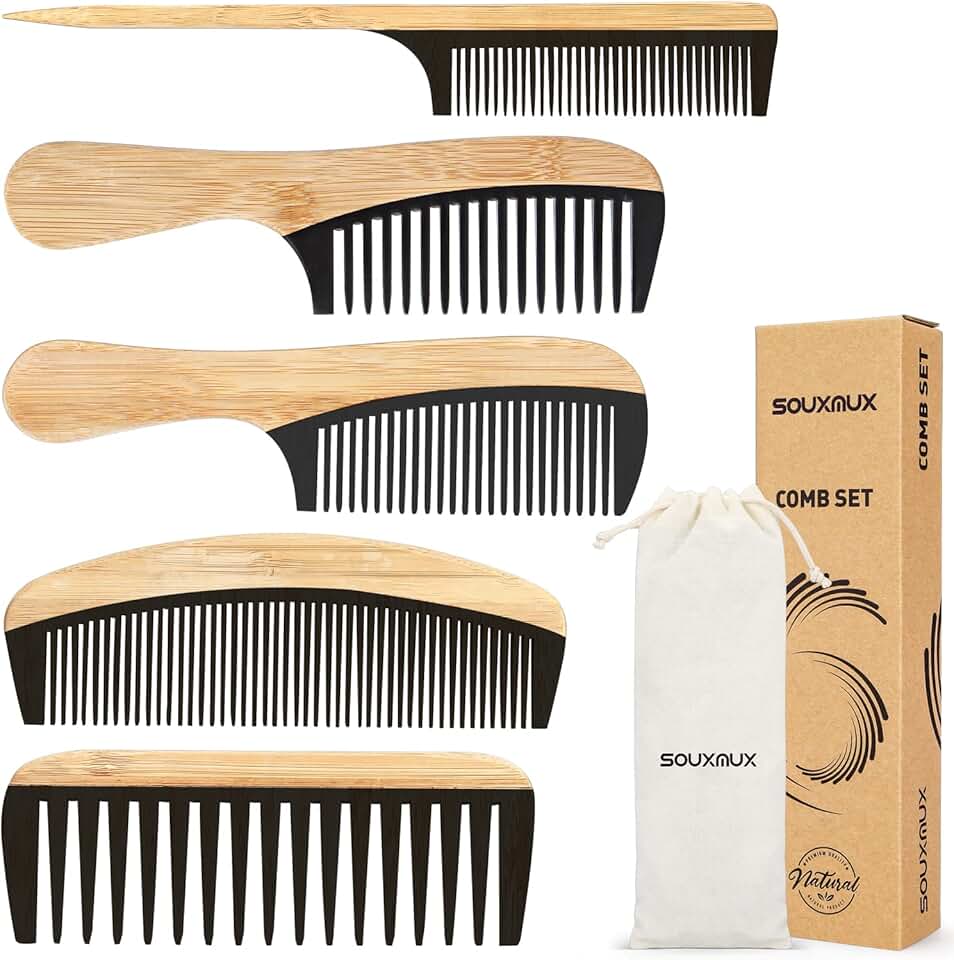
As an Amazon Associate, we may earn from qualifying purchases.
Fix common mistakes
Even a simple low-maintenance fade can look sloppy if the barber or you miss the details. These errors are the most common reasons a modern fade loses its shape or feels too high-maintenance.
Skipping the blend
A low fade should disappear into the rest of your hair, not sit on top of it. The mistake happens when the transition between the faded sides and the longer top is too sharp. This creates a "helmet" effect that draws attention to the width of your head rather than the style.
Fix this by asking for a gradual taper. The hair should transition from skin or near-skin up to the parietal ridge without a visible line. If you are doing this yourself, use a lower guard number as you move up, blending out any hard lines.
Ignoring hair texture
Straight, wavy, and curly hair behave differently. A common error is treating all hair types the same during the cut. For straight hair, a low fade can look flat if the top isn't textured. For curly hair, cutting the sides too short can cause the curls on top to puff out disproportionately, making the head look rounder than it is.
Match the fade height to your hair's natural volume. If you have thick, curly hair, keep the fade slightly higher to reduce bulk. If you have fine, straight hair, a very low fade works well, but you need product or a texturizing cut on top to add dimension.
Over-fading the neckline
The neckline is the anchor of the haircut. Many barbers or DIY cutters go too low, removing the natural jawline definition. This makes the neck look longer and the face less structured. It also requires more frequent trims to maintain a clean look, which defeats the low-maintenance goal.
Set the neckline at the natural crease where your neck meets your head. Avoid shaving it down to the base of the skull unless you have a specific aesthetic reason. A clean, natural line keeps the focus on your face and requires less upkeep.
Neglecting the top length
A low fade is not a buzz cut. The top needs enough length to style. Cutting the top too short eliminates your ability to create texture, volume, or a side part. This results in a flat, unstyled look that grows out messily.
Keep at least 2-3 inches on top for most styles. This length allows you to use a small amount of product to create separation and movement. If you prefer a completely no-product look, ensure the top is cut with layers to create natural texture.
Look at the fade from the front and side. There should be no visible line where the short hair meets the longer hair. The transition should be smooth and gradual.
Ensure the neckline sits at the natural crease of your neck. It should not be too low or too high, maintaining a clean, natural frame for your head.
Check that the top has enough length to style. You should be able to part it, texture it, or push it back without it lying completely flat against your scalp.
Men's haircuts: what to check next
Before booking your appointment, clarify the practical details that determine whether a low-maintenance modern fade actually works for your daily routine. These answers address the most common hesitations readers face when choosing a new style.
No comments yet. Be the first to share your thoughts!