
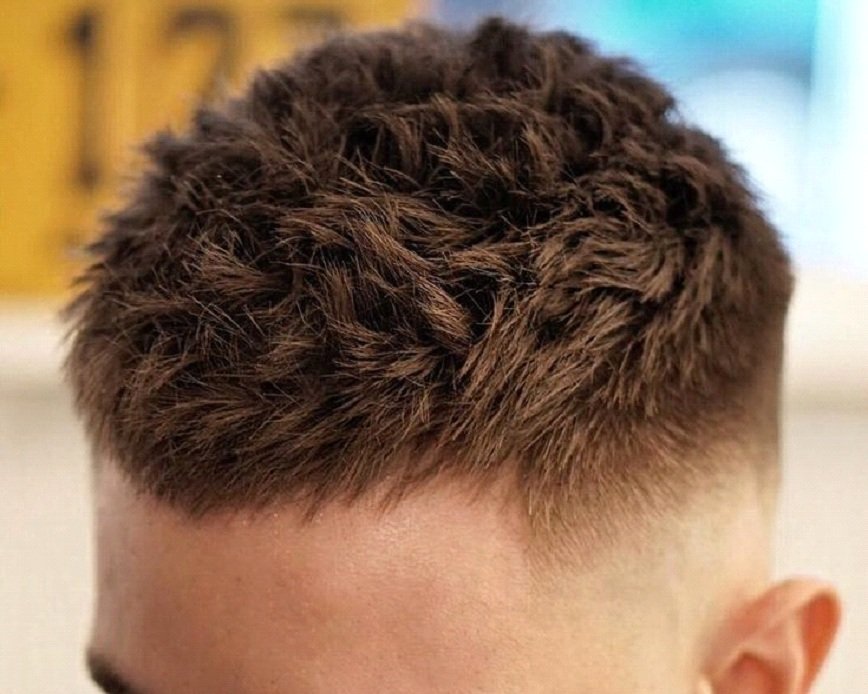

Get Men's Haircuts Right
Before you sit in the chair, you need a clear plan. The textured crop fade is deceptively simple, but a vague request leads to uneven results. Your goal is to define the transition from the short sides to the textured top, ensuring the fringe lays correctly without looking sparse.
Start by bringing reference photos that show your specific hair texture. Curly, wavy, and straight hair react differently to the same clipper guard. Show your barber how your fringe naturally falls when dry. This visual aid prevents the "I'll know it when I see it" mistake that often results in a cut that doesn't match your daily routine.
Communicate the fade height clearly. A low fade keeps the transition subtle and close to the ears, while a high fade starts near the temples for a sharper contrast. Decide on the top length based on styling effort. Longer tops require daily product and blow-drying; shorter tops need only a dab of matte clay. Be honest about your morning time budget.
Finally, ask about maintenance intervals. This style typically needs a trim every three to four weeks to keep the fade crisp and the top from growing into an unkempt shape. Setting this expectation upfront helps you budget for regular visits and keeps the look sharp between appointments.
Work through the steps
Achieving a textured crop fade requires precision on the sides and deliberate chaos on top. The contrast between the clean skin fade and the messy, layered texture is what makes this style work. Follow this sequence to get the cut right, from the initial fade to the final styling.
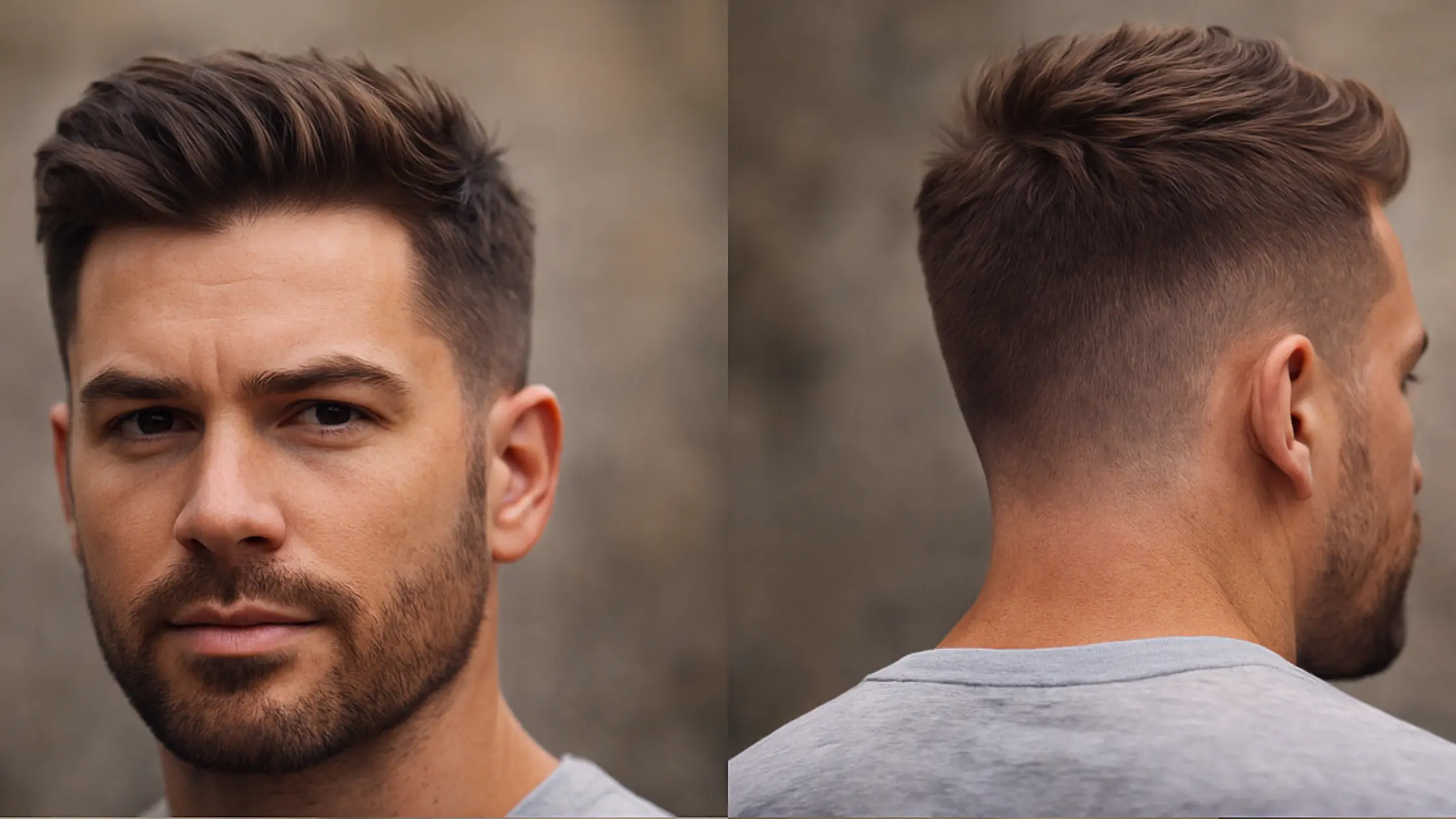
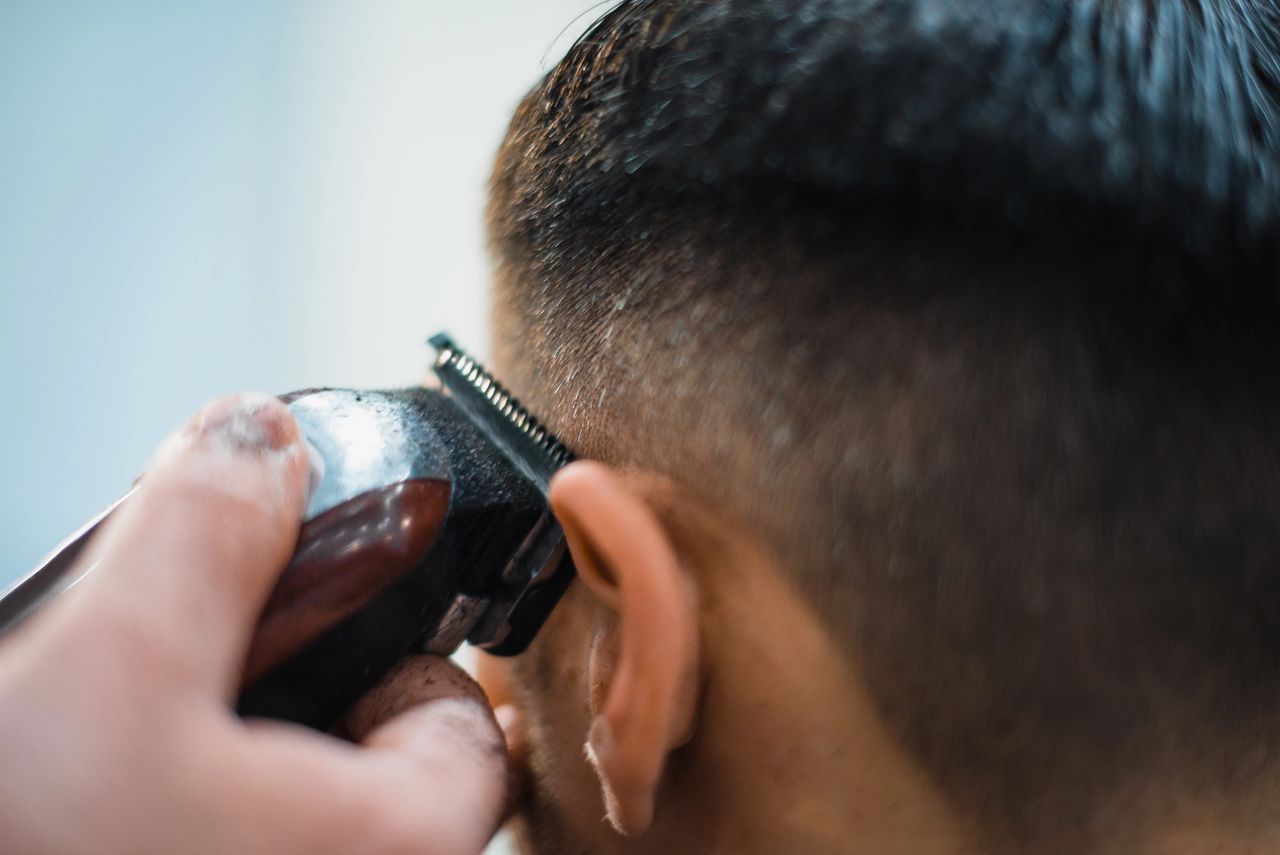
Begin with the clippers. Set your guard to start the fade at the bottom, usually a #1 or #1.5, and work your way up. Blend the sides and back smoothly into the longer hair on top. A mid-fade offers the best balance for most face shapes, sitting right at the temple line. Ensure the transition is even, with no visible lines or harsh gaps.
Switch to scissors or a texturizing razor for the top section. Leave about two to three inches of length. Cut vertically into the hair to remove bulk and create separation. This choppy layering is essential; it prevents the top from looking like a solid block and gives you the messy, piecey look that defines the textured crop.
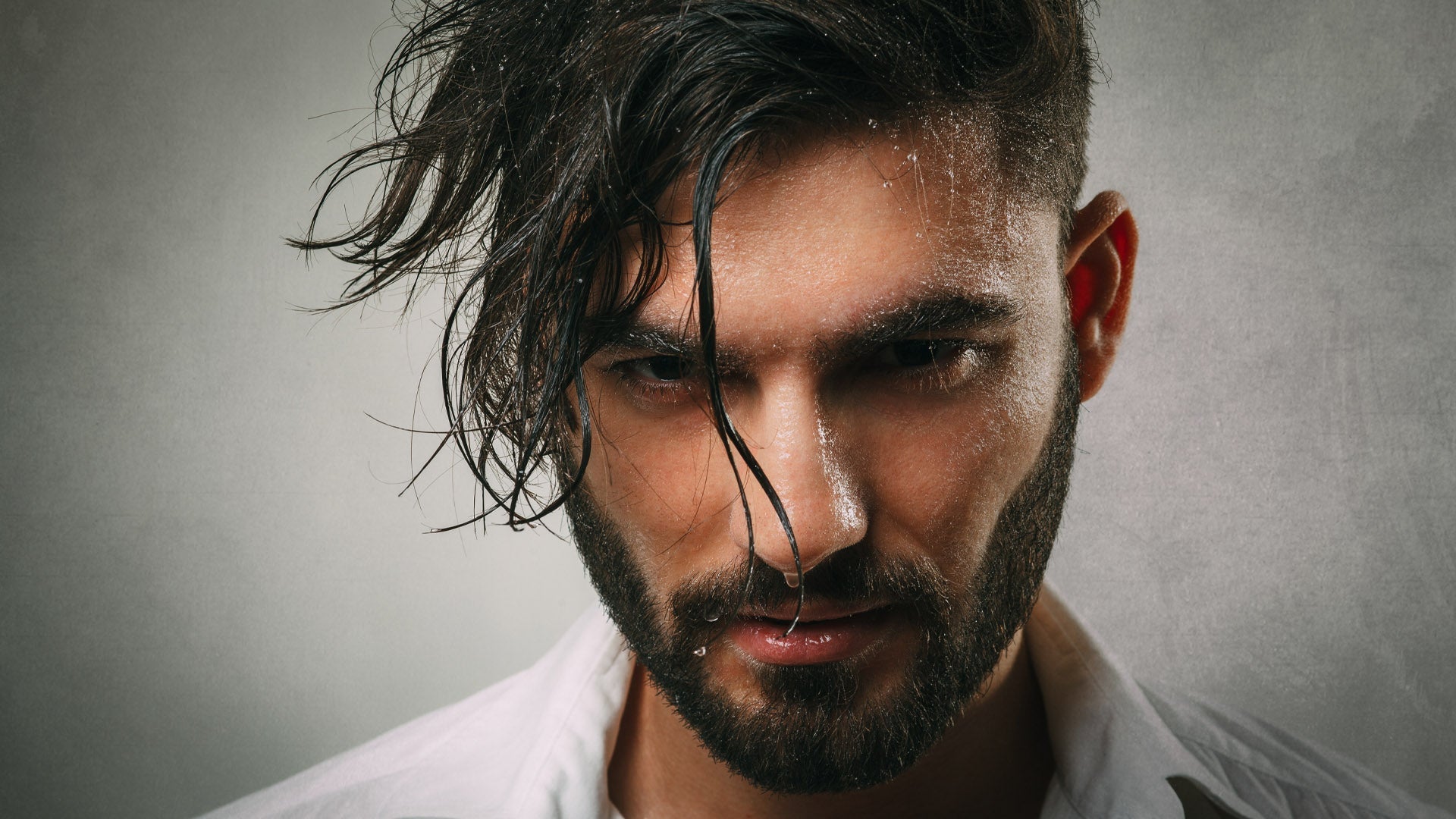
Trim the fringe (bangs) to sit just above the eyebrows. Cut straight across or slightly point-cut for a softer edge. This short fringe adds dimension and frames the face without requiring much daily effort. It should look natural, not like a bowl cut. Check the length from multiple angles to ensure it falls evenly.
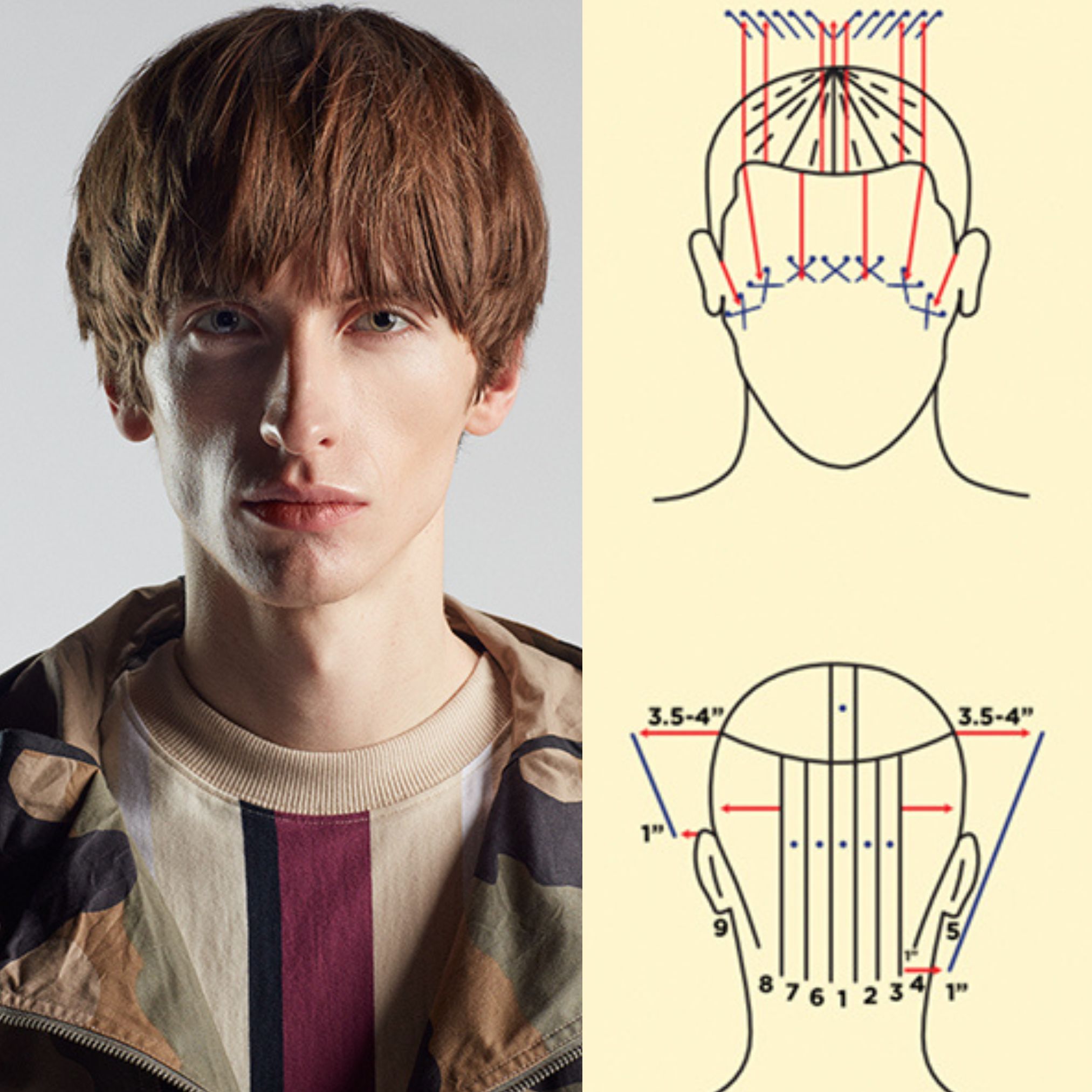
Apply a matte clay or sea salt spray to damp hair. Rub the product between your palms and work it through the top section, lifting the roots with your fingers. Avoid combs at this stage; you want random, piecey separation, not uniform direction. Let it air dry or use a diffuser on low heat to enhance the natural texture.
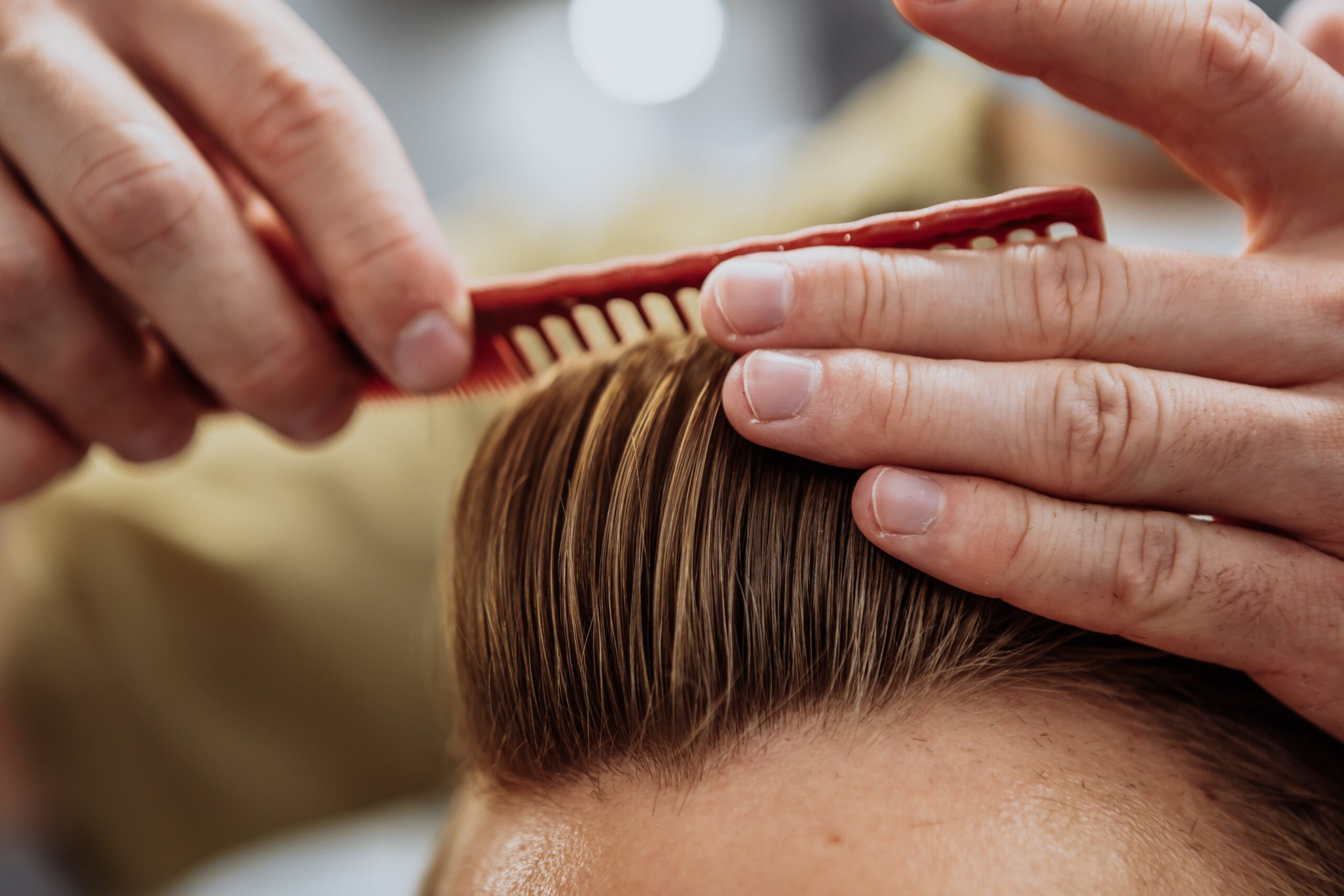
Use a trimmer without a guard to sharpen the neckline and around the ears. Clean up any stray hairs on the forehead. A sharp outline makes the fade look more intentional and polished. Finish with a light hold hairspray if you need extra staying power, especially in humid weather.
Fix common mistakes
The textured crop fade looks effortless, but that look relies on precise execution. When the balance is off, the style collapses into a messy or overly aggressive shape. Most poor outcomes come from three specific errors during the cut or the daily routine.
1. Over-blending the transition
A low or mid fade requires a sharp, visible transition line where the skin meets the hair. Many barbers use clippers without guards too early, blending the fade too high. This erases the structure and makes the head look rounder than it is. Ask for a clear guideline around the parietal ridge. The fade should stay tight and defined, not diffuse into the longer hair on top.
2. Leaving the fringe too long
The defining feature of this cut is the choppy, textured fringe. If the barber leaves the front longer than the rest of the top layer, the hair falls flat. It loses the "crop" structure and starts looking like a standard crew cut or a messy bowl cut. The fringe should be point-cut to create separation. It needs to sit just above the eyebrows, allowing you to push it forward without it touching your eyes.
3. Skipping the texture product
A textured crop fade is not a wash-and-go style. Without product, the hair lies flat and exposes the scalp, especially if you have thinning hair. The whole point of the texture is to create volume and movement. Apply a matte paste or clay to damp hair, then blow-dry upward. This builds the foundation. Without this step, the cut looks unfinished and unkempt within hours of leaving the barber chair.
Men's haircuts: what to check next
Before booking your next appointment, here are the practical answers to the most common questions about the textured crop fade.
No comments yet. Be the first to share your thoughts!