
The AI style shift
Something’s changed in the world of men’s haircuts. It’s not just about what stylists are telling us is cool anymore. In 2026, AI is a major driving force behind the trends we’re seeing, and the cuts guys are actually asking for. Style-generating tools and the algorithms powering social media are quietly reshaping the entire process of discovering a new look.
For years, trends largely trickled down from fashion weeks and celebrity stylists. Now, it’s much more democratized. People are using AI-powered apps to "try on’ different hairstyles, and social media algorithms are learning individual preferences to serve up personalized suggestions. This isn"t a revolution against barbers, but a shift in how inspiration is found.
This means trends are emerging faster and are often more niche. The broad, sweeping trends of the past are giving way to more individualized styles. The power is shifting to the consumer, who’s armed with tools to visualize and refine their ideal look before even stepping into a shop. It's a fascinating change, and it's impacting everything from the types of fades we're seeing to the products guys are buying.
The neo-classic fade
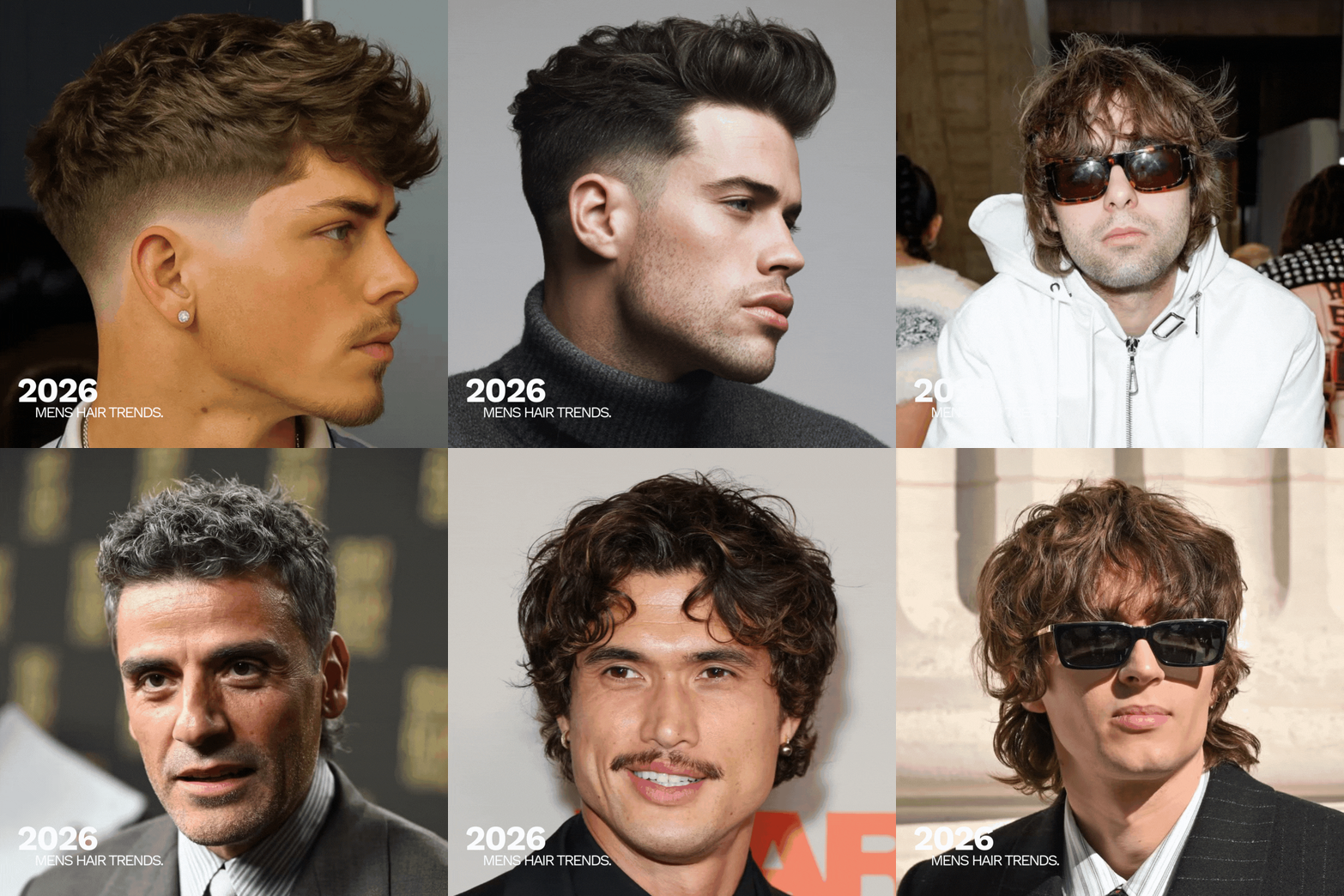
If there’s one cut dominating requests in 2026, it's a refined take on the classic fade. Forget the harsh, abrupt transitions of the past. This is about clean lines, subtle gradients, and a focus on texture. It’s a sophisticated fade, and it's a lot more versatile than people realize.
Barbers use software to map out fade lines for a better blend. I've seen customers use apps to see how a fade looks on their own face before the clippers even touch their hair. It takes the guesswork out of a new style.
A lot of guys are hesitant to try a fade because they’re worried it will look dated or too severe. But the "neo-classic" fade is different. It's clean, modern, and works with a wide range of hair types and face shapes. It's not just a haircut; it’s a foundation for a lot of different styles.
Textured crops and tapers
Textured crops with tapered fades are everywhere right now. It is a popular choice because it is easy to maintain. You just have to balance the messiness on top with the clean taper on the sides.
The level of texture can vary from subtle, barely-there waves to a more deliberately messy, undone look. The taper length also plays a role. A higher taper creates a more defined contrast, while a lower taper offers a softer, more blended appearance. Consider your face shape – a more angular face can handle a higher taper, while a rounder face might benefit from a lower one.
To really make this style work, you’ll need the right products. A sea salt spray or a texturizing paste can help enhance the texture on top, while a lightweight pomade can keep everything in place without looking stiff. Don’t be afraid to experiment to find what works best for your hair type. When asking your barber, be specific about the level of texture you want – show them a picture if possible.
Longer hair and the digital disconnect
It might seem counterintuitive, but longer hair is making a comeback in 2026. However, this isn't about reviving the long, flowing styles of the past. It’s about embracing a more natural, effortless look – a deliberate rejection of hyper-groomed aesthetics. This is the "digital disconnect" in action.
The styles are intentionally a little rough around the edges, with natural waves and minimal styling. Think of it as a "lived-in" look. It's a reaction to the precision and perfection often associated with fades and other structured cuts. AI-powered style recommendations are suggesting longer lengths as a way to balance out the popularity of more precise styles.
I’ve noticed a lot of guys are embracing a more relaxed, 'I woke up like this' vibe. They want a style that looks good without requiring hours of styling each morning. This trend is particularly popular among those who work in creative fields or prefer a more bohemian aesthetic.
- Keep your natural texture instead of fighting it.
- Use less product; a little goes a long way with longer hair.
- Avoid overly structured cuts
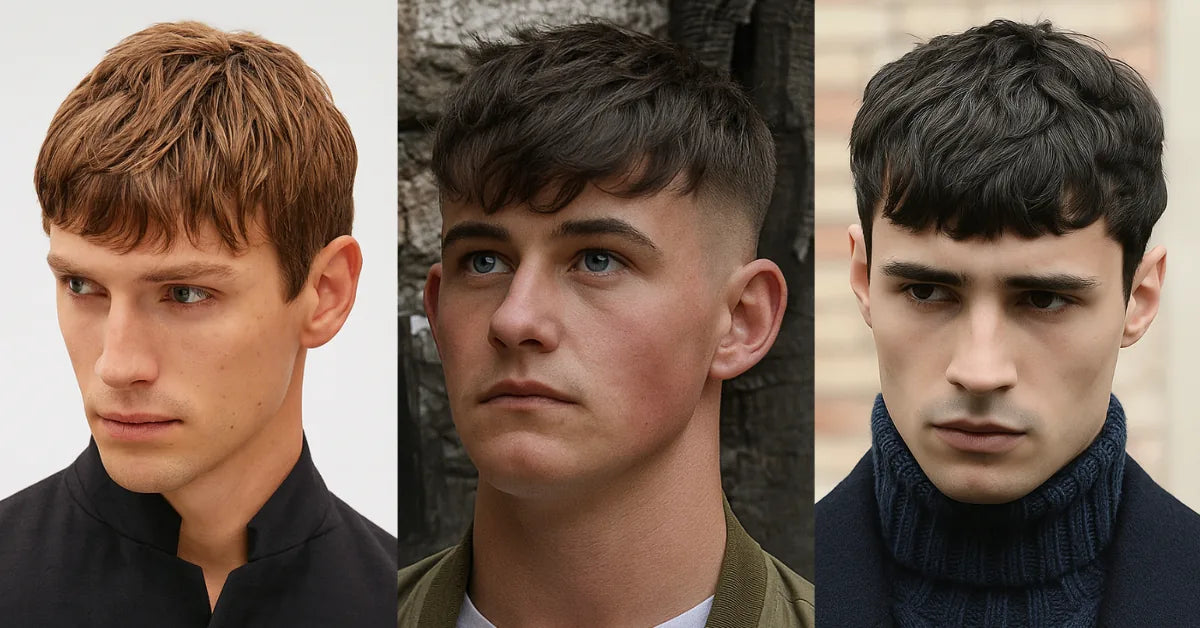
Sculpted fringe fades
This is where things get a little more adventurous. A sculpted fringe combined with a fade is a surprisingly popular request, especially among younger professionals. It’s a bit more high-maintenance, but the results can be striking. It’s a look that says "I put effort into my appearance, but I’m not trying too hard."
The key to this style is the fringe itself. It can be textured, side-swept, or blunt, depending on your preference and hair type. The fade should complement the fringe, not compete with it. A mid or low fade generally works best. It’s about creating a balanced look that’s both stylish and sophisticated.
I'm seeing this a lot among guys in their early to mid-twenties who are looking to make a statement. It’s a confident look that requires a skilled barber to execute properly. Be prepared to spend a little extra time in the chair to get it just right.
A modern side part
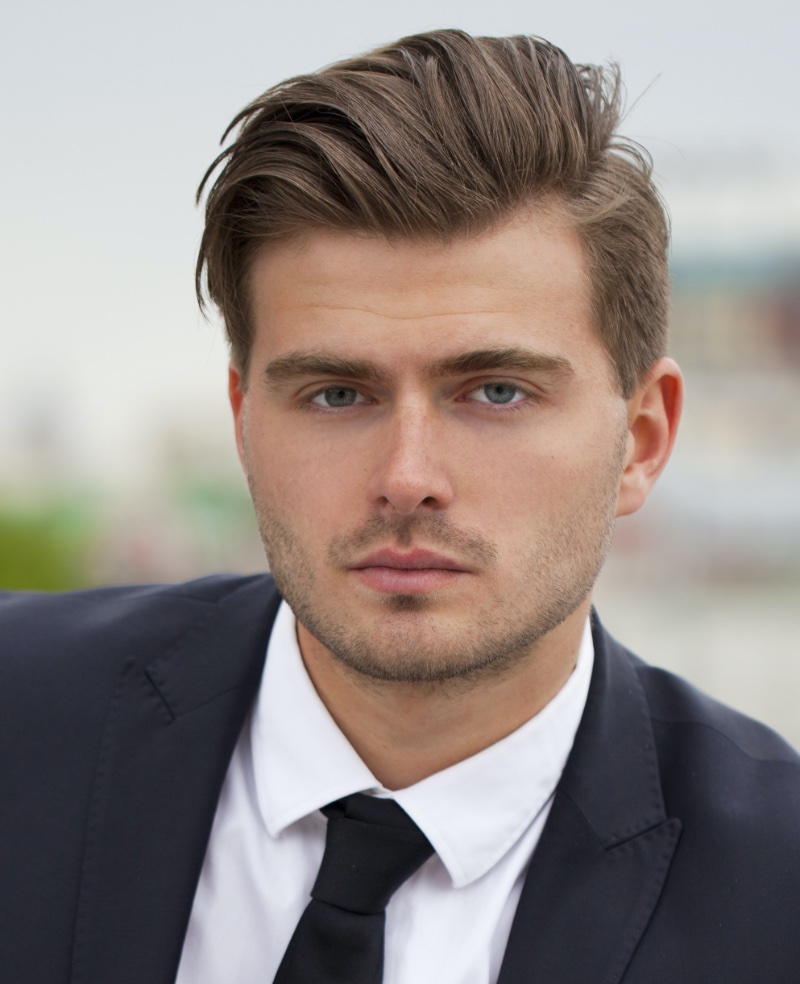
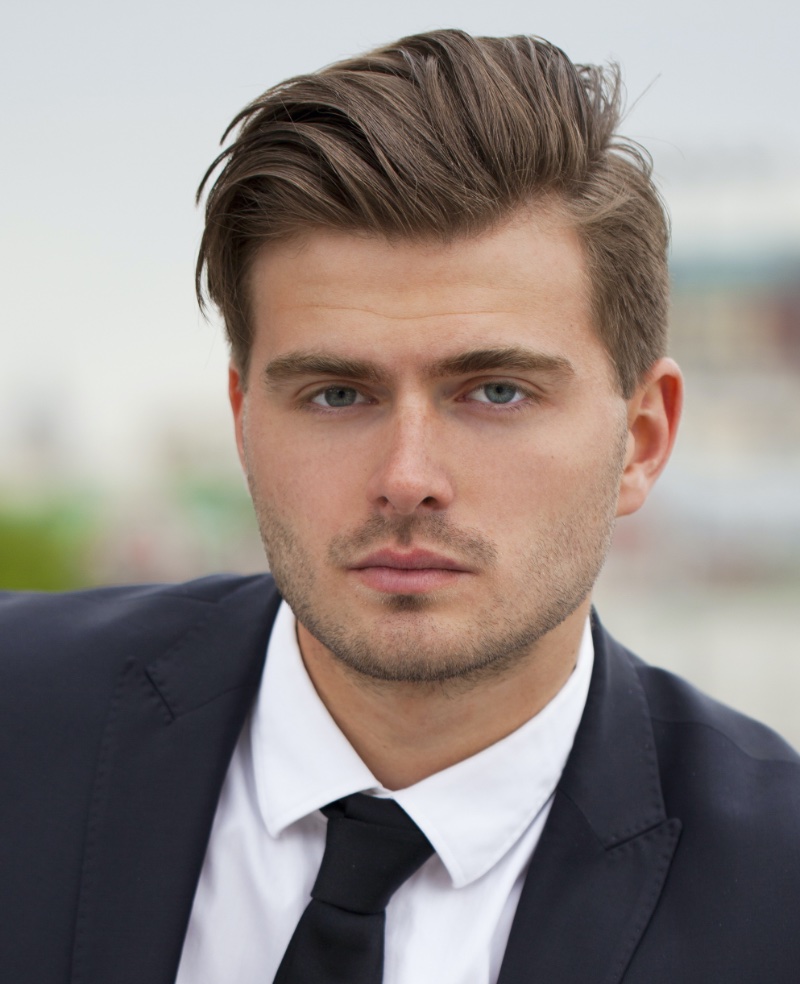
The side part is back, but it’s a far cry from the slicked-back, Mad Men version. This isn’t your grandfather’s side part. It’s softer, more textured, and often paired with a low or mid fade. It’s a more relaxed and approachable take on a classic style.
AI is helping men find the right side part style for their face shape and hair type. Apps can analyze your features and suggest the most flattering parting position and fringe length. This takes the guesswork out of the process and helps you avoid a style that doesn’t suit you.
You need the right product for this. A matte clay or paste gives you hold without the shine. I'd avoid anything greasy. You want the part to look like you just ran your hands through it, not like it's glued in place.
Specific fade variations
Let’s get specific. Beardburys.com details a lot of the fade variations guys are requesting. The standard fade is still popular, but people are increasingly experimenting with different types to create a more personalized look. Understanding these variations is key to communicating your desired style to your barber.
A drop fade features a curved fade line that starts higher on the sides and drops lower towards the ear. A skin fade takes the taper all the way down to the scalp, creating a very clean and dramatic look. A taper fade is a more gradual transition, with the hair gradually getting shorter as it moves down the sides. Finally, a burst fade has a concentrated area of very short hair that fades into a longer length.
The best fade for you will depend on your face shape and hair type. A drop fade can help elongate a round face, while a skin fade can accentuate a strong jawline. A taper fade is a safe bet for most people, while a burst fade is a bolder choice. Don't hesitate to ask your barber for their opinion.
Fade Style Comparison: Projected Popularity in 2026
| Fade Type | Maintenance Level | Suitability for Hair Thickness | Formality | Edginess |
|---|---|---|---|---|
| Drop Fade | Medium | Good for most thicknesses | Semi-Formal | High |
| Skin Fade | High | Best for medium to thick hair | Casual to Semi-Formal | Very High |
| Taper Fade | Low | Excellent for all hair thicknesses | Formal | Low to Medium |
| Burst Fade | Medium to High | Works well with thicker hair | Casual | High |
| Low Fade | Low | Good for all hair types | Versatile - Casual to Semi-Formal | Low |
| Mid Fade | Medium | Suits medium to thick hair best | Semi-Formal | Medium |
| High Fade | High | Ideal for thick, curly hair | Casual | Medium to High |
Illustrative comparison based on the article research brief. Verify current pricing, limits, and product details in the official docs before relying on it.
No comments yet. Be the first to share your thoughts!