

5 Modern Fades for Every Hair Type in 2026
Selecting the right fade begins with matching the cut to your specific hair texture, ensuring a sharp and sustainable look. Follow this sequence to identify your hair type, choose the appropriate style, and maintain the fade through proper aftercare.
-

Low skin fade for straight hair
Straight hair thrives on clean, sharp lines. Start with a low fade that tapers just above the ears, preserving length on top for versatile styling. Use clippers with a 0.5 guard to blend the sides seamlessly into the skin. Finish with a matte pomade to add texture without weighing down the strands. This cut offers a polished, professional look that requires minimal daily effort to maintain its sharp silhouette. -

Mid taper fade for wavy hair
Wavy hair needs structure to prevent frizz and enhance natural patterns. A mid taper fade removes bulk from the sides while leaving enough length on top to define waves. Ask your barber to use scissor-over-comb techniques for a softer transition. Apply a light curl cream to damp hair to encourage wave formation. This style balances volume and neatness, making it ideal for active lifestyles and office environments alike. -
High burst fade for curly hair
Curly hair benefits from the high burst fade, which curls tightly around the ear for a dramatic, modern shape. This cut emphasizes the natural volume of curls by removing weight from the sides and back. Use a strong-hold gel to define curls while keeping the burst area clean. Regular trims every two weeks maintain the sharp curve around the ear. This style is perfect for those wanting a bold statement that showcases their unique texture. -

Drop fade for coily hair
Coily hair requires a drop fade to accommodate its dense texture and natural growth pattern. The fade line curves downward behind the ear, following the hairline’s natural shape. This technique prevents awkward gaps and ensures a smooth transition from skin to hair. Use a moisturizing leave-in conditioner to keep coils hydrated and defined. A soft brush helps shape the hair without causing breakage. This cut offers a sophisticated look that respects the hair’s natural structure. -

Skinny fade for fine hair
Fine hair looks best with a skinny fade, which removes minimal bulk to avoid making hair appear thinner. This subtle fade keeps the sides sleek while preserving length on top for volume. Use a volumizing mousse on damp hair to lift roots and add body. Avoid heavy products that can flatten fine strands. Regular trims every three weeks maintain the clean lines without sacrificing length. This understated style offers a refined, elegant appearance suitable for any occasion.
Choose the right fade for your hair
The difference between a sharp haircut and a bad one usually comes down to one variable: where the fade starts. Your hair texture dictates the geometry of the cut, and matching the placement to your hair type is the first step in getting a clean, modern look.
Think of your hair texture like soil. Straight hair is like flat ground; you can draw a hard, low line near the ears and it will stay crisp. Curly or wavy hair is like uneven terrain; if you draw that same low line, the curls will spill over it, creating a messy, undefined look. By starting the fade higher up on the head, you give the curls room to transition naturally without overwhelming the sides.
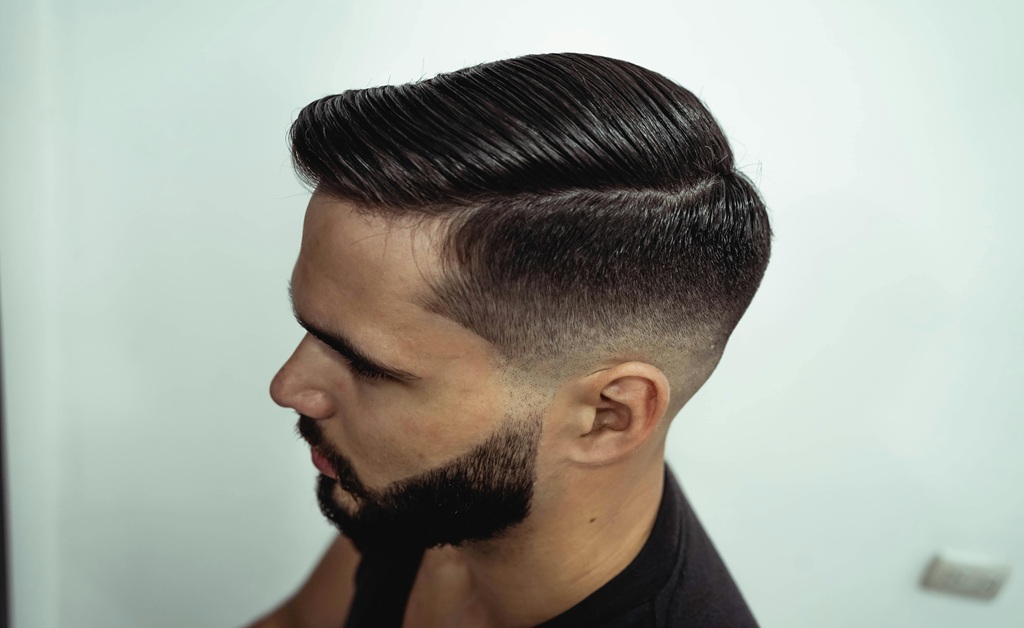
This principle applies to every texture. If you have tight coils, a high fade keeps the bulk off your neck and shoulders while letting the top maintain its volume. For straight hair, a low fade creates a tighter, more dramatic contrast that emphasizes the jawline. Wavy hair sits in the middle, often looking best with a mid-fade that balances the waves without flattening them.
Choosing the right fade isn't just about aesthetics; it's about maintenance. A fade that matches your hair type grows out more gracefully. A low fade on curly hair will look unkempt after just two days, whereas a high fade on straight hair might look too severe for everyday wear. Start with the right placement, and the upkeep becomes a simple rinse and style rather than a constant battle against unruly hair.
Style and maintain your fade
A modern fade looks sharp on day one, but keeping that clean line requires a simple routine. Without regular care, the gradient blurs, dry patches appear, and the shape loses its structure. How you maintain it depends on your hair type and the height of the fade, but the core steps remain the same.
Washing too often strips natural oils, making the skin at the fade look pale or flaky. Use a sulfate-free shampoo two to three times a week. For curly or coily hair types, focus the lather on the scalp and let the suds run down the sides rather than scrubbing the faded area aggressively. This preserves moisture and prevents the "ashy" look common in darker skin tones.
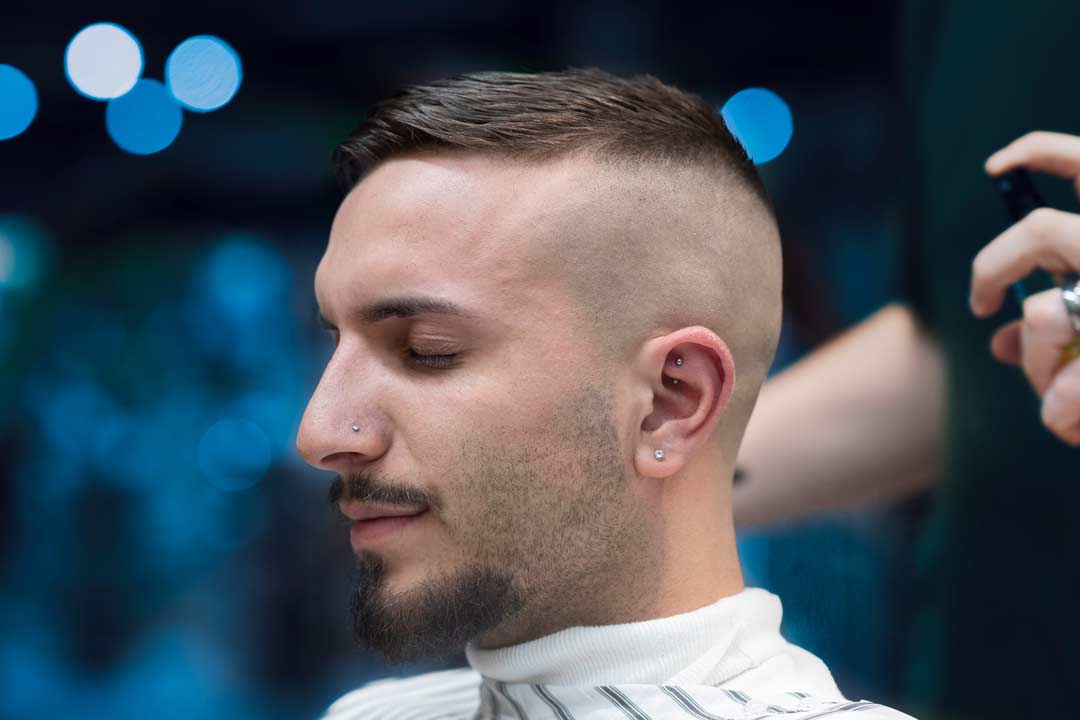
The skin on the sides and back has fewer oil glands than the top of your head, so it dries out faster. Apply a light, non-greasy moisturizer or beard oil every morning. If you have straight hair, a water-based lotion works well. For textured hair, look for ingredients like shea butter or jojoba oil to keep the fade smooth and prevent itching as the hair grows out.
Between barber visits, stray hairs can blur the sharp lines of your fade. Use a precision trimmer or a small razor to clean up the hairline, sideburns, and neckline once a week. Be careful not to go too short; you only need to remove the stray hairs that have broken through the design. This simple step keeps the fade looking intentional and sharp.
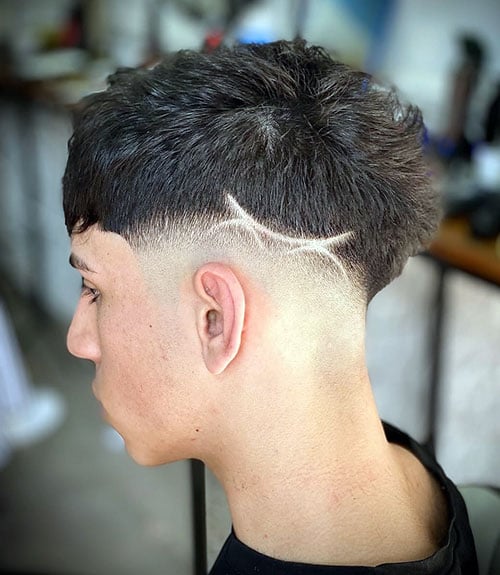
Fades grow out quickly, losing their definition within days. Schedule a maintenance cut every two to three weeks to keep the gradient clean. If you have fast-growing hair or a high skin fade, you may need to go every ten to fourteen days. Tell your barber which areas are bothering you most; they can adjust the clipper guards to match your growth pattern.
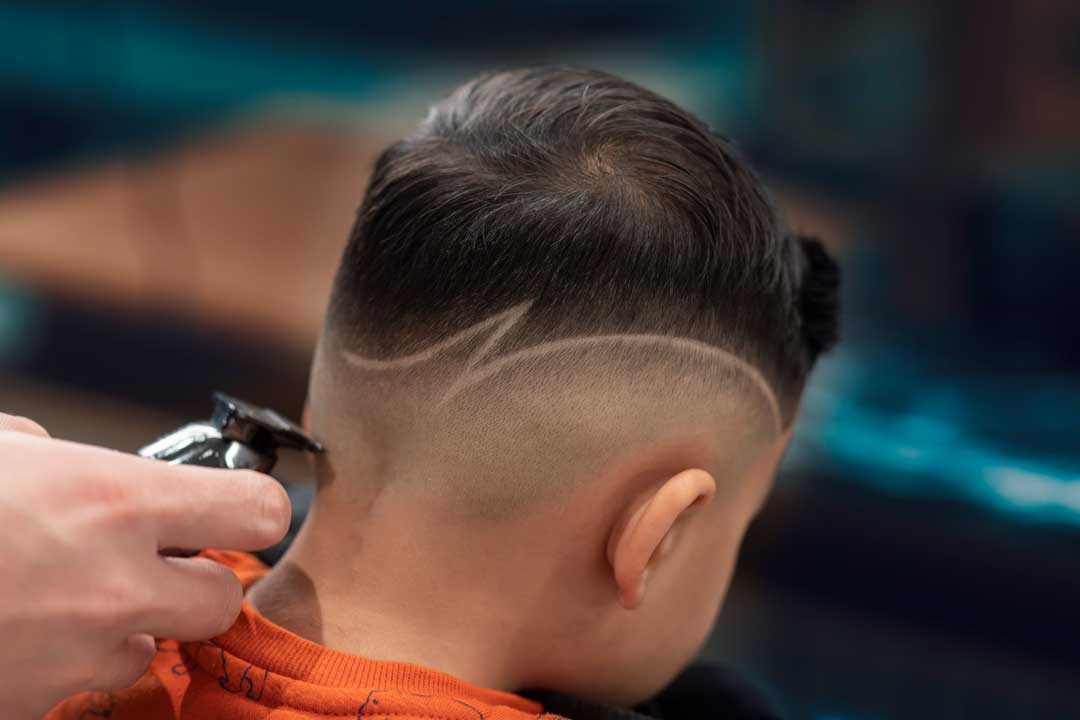
Friction from cotton pillowcases can cause breakage and frizz, especially for curly or thick hair types. Sleep on a silk or satin pillowcase, or wear a silk bonnet. This reduces friction and helps maintain the shape of the fade on top while keeping the sides smooth. It also prevents product buildup on your bedding, which can clog pores on the neck and hairline.
Choose the right fade for your hair type
Selecting a fade isn't just about the height of the cut; it's about how the gradient interacts with your specific texture. A style that sharpens coarse, curly hair might look harsh on fine, straight strands. Use the table below to match your hair type with the fade that offers the best balance of structure and growth.
| Fade Style | Best Hair Type | Fade Height | Maintenance |
|---|---|---|---|
| Low Fade | Curly, Coily, Thick | Below temples | Every 2-3 weeks |
| Mid Fade | Wavy, Straight, Medium | At temples | Every 2-3 weeks |
| High Fade | Straight, Fine, Thinning | Above temples | Every 1-2 weeks |
| Skin Fade | Straight, Wavy, Thin | Low to High | Weekly touch-ups |
| Taper Fade | All Types, Long tops | Very low | Every 3-4 weeks |
Watch a fade tutorial
Visualizing the blending process clarifies exactly how clipper guard heights shift to create a smooth gradient. Watching a professional barber execute the cut helps you communicate your desired taper level more effectively during your appointment.
The video below demonstrates the foundational technique for creating a clean, modern fade. Observe how the barber maintains consistent tension and uses a C-shaped motion to blend the hairline without leaving harsh lines.
No comments yet. Be the first to share your thoughts!