
The Appeal of Effortless Style
A good haircut should simplify your routine, not complicate it. We all want to look sharp, but the daily struggle with styling, product overload, and styles that fall flat is exhausting. This guide offers solutions.
People increasingly want hairstyles that look polished without requiring hours of effort. Classic cuts fit this need. They are built on solid foundations and designed to work with your hair’s natural texture, not against it. These styles have endured for a reason.
Traditional barbering is making a comeback, with a focus on thoughtfully crafted cuts that prioritize shape and simplicity. This is a move away from overly-styled looks towards something more authentic and manageable. We'll explore timeless looks that require minimal upkeep.
The Classic Taper: A Versatile Foundation
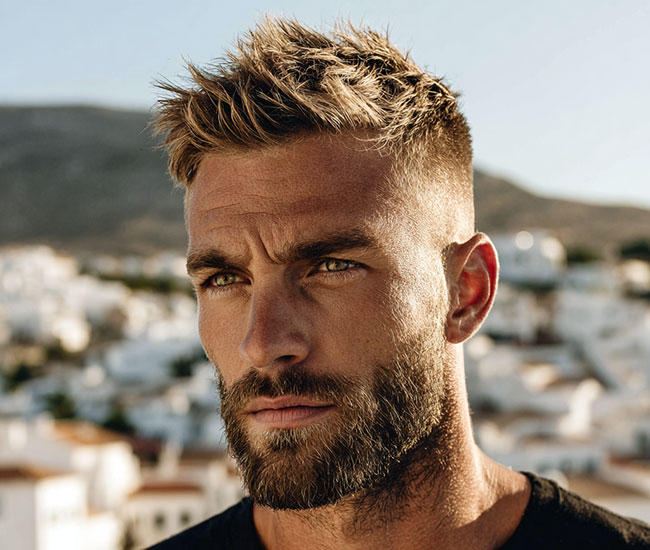
The taper is arguably the most versatile men’s haircut out there. It’s a haircut where the hair gradually shortens on the sides and back, creating a clean, balanced look. This foundational style adapts to almost any hair type – straight, wavy, or curly – and a wide range of personal preferences.
The degree of the taper is what really allows for customization. A low taper is subtle, offering a gentle transition, while a mid taper provides a more noticeable contrast. A high taper is bolder and more defined. The length left on top can also be adjusted to create different effects, from a short and neat look to something with more volume and texture.
A taper's adaptability is a major benefit. Wear it to the office for a professional appearance or dress it down for a casual weekend. It looks good with a suit and tie or with a t-shirt and jeans. A well-executed taper needs maintenance every 2-4 weeks to keep the lines sharp, but daily styling is minimal.
Classic Cuts Barber Shop in Boston offers a 'Classic Hair Cut & Beard Trim' that often incorporates a tailored taper, focusing on quality and a pampering experience, according to their services page.
Side Parts: Timeless and Polished
The side part is a cornerstone of classic men’s style, and for good reason. It’s clean, polished, and consistently looks put-together. There are several variations to consider, including the classic side part with a defined part line, a textured side part for a more relaxed feel, and a hard part, which involves a shaved line for a sharper contrast.
Achieving the side part look requires minimal product. A small amount of pomade or clay, worked through the hair and combed into place, is often sufficient. The depth of the part can also be adjusted to suit your face shape and preference. A deeper part adds volume, while a shallower part is more subtle.
Hair texture influences how a side part looks. On fine hair, a little product adds volume and hold. Thicker hair may need a stronger hold product to stay in place. It's a good choice for office environments or formal occasions, projecting professionalism and refinement.
When considering a side part, think about your face shape. If you have a round face, a deeper part can add length. If you have a longer face, a shallower part can help to balance your features. Don’t be afraid to experiment to find what works best for you.
The Crew Cut: Clean and Simple
The crew cut is the definition of low-maintenance. It features short, tapered sides and back with slightly longer hair on top. This longer hair is neat and controlled, usually combed forward.
The crew cut's simplicity is its beauty. It requires minimal styling – often just a quick comb-through is enough to get you out the door. Adjust the length on top to suit your preferences, from very short and conservative to slightly longer and more textured. It's a good option for various face shapes and hair types.
Its practicality makes it ideal for active lifestyles. It stays out of your eyes, doesn’t require constant adjustments, and generally looks good even after a workout. The crew cut has roots in military history, but it’s become a staple in civilian life due to its practicality and clean appearance.
Some worry a crew cut might look too short. This can be avoided by leaving enough length on top and ensuring a smooth transition between the sides and the top. A skilled barber can tailor the cut to your face shape and hair texture for a flattering look.
The Buzz Cut: The Ultimate Low Effort
For a haircut requiring minimal effort, the buzz cut is the answer. It involves cutting the hair to a uniform short length all over the head. It offers ultimate convenience and requires virtually no styling.
The buzz cut's length is determined by the clipper guard number. A #1 guard leaves hair about 1/8 inch long, while a #4 guard leaves it around 1/2 inch. Different guard numbers create different looks, so experiment to find what suits you best. Shorter cuts expose more of your head shape.
A buzz cut isn’t for everyone. It offers limited styling options and can accentuate your head shape. It's a good choice for those with thinning hair, creating the illusion of fullness. Regular trims (every 1-2 weeks) are needed to maintain consistent length.
A buzz cut is a practical choice. It’s quick to wash and dry, and you don’t have to worry about bad hair days. It’s a bold statement, but one that requires very little commitment.
Fades: Low Maintenance with a Modern Edge
Fades can be low-maintenance, but they require a skilled barber and regular touch-ups. A fade gradually shortens the hair from the top of the head down to the skin, creating a blended transition. They are popular for their sharp, modern look.
Types of fades include low, mid, high, and skin fades (where hair is faded to the skin). The type you choose depends on your preference and desired look. A low fade is subtle, while a skin fade is more dramatic.
Fades can be combined with other styles, such as a side part or a quiff, to create a unique look. The key is to find a barber who understands how to blend the fade seamlessly with the rest of your haircut. While fades can look complex, the daily styling is often minimal – a quick comb-through is usually enough.
undefined Yelp, is a location to potentially find skilled barbers for this service.
Product Recommendations for Minimalists
The goal with low-maintenance hairstyles is to enhance your natural hair texture, not to completely transform it. That means choosing products that offer a light hold and a natural finish. Avoid anything overly shiny or heavy, as these can weigh your hair down and make it look greasy.
A quality pomade or clay is a good starting point. These products provide texture and hold without being too stiff. Look for water-based formulas that are easy to wash out. Brands like Suavecito and Layrite offer excellent options. A sea salt spray can add texture and volume to finer hair, creating a natural, tousled look.
For a more relaxed style, a matte paste can provide a light hold and a natural finish. These are great for creating a messy, textured look. Again, less is often more – start with a small amount and add more if needed. Consider products with natural ingredients to minimize irritation and promote healthy hair.
Remember, a good haircut is the foundation. No amount of product can fix a poorly cut hairstyle. Invest in a quality haircut from a skilled barber, and then use products sparingly to enhance your natural look.
Styling Product Comparison: Hold, Shine & Texture
| Product Type | Hold | Shine | Texture | Ease of Use |
|---|---|---|---|---|
| Pomade | Medium to Strong | High | Slick, Polished | Generally requires some practice to apply evenly; can be reworked. |
| Clay | Light to Medium | Low | Natural, Matte | Easy to apply and distribute, often requiring minimal effort. |
| Matte Paste | Medium | Very Low | Textured, Piecey | Provides a good balance of hold and ease of application; allows for definition. |
| Wax | Strong | Medium | Defined, Sculpted | Good for creating strong shapes, but can feel heavier than other options. |
| Cream | Light | Low to Medium | Soft, Natural | Best for finer hair; provides subtle hold and a healthy appearance. |
| Gel | Strong | Medium to High | Firm, Defined | Offers a strong hold but can sometimes appear stiff or crunchy. |
| Fiber | Medium to Strong | Low | Thick, Full | Good for adding volume and texture, but can be slightly less pliable than paste. |
Illustrative comparison based on the article research brief. Verify current pricing, limits, and product details in the official docs before relying on it.
Maintaining Your Cut Between Visits
Extending the life of your haircut between barber visits is all about smart habits. Avoid washing your hair every day, as this can strip it of its natural oils and leave it dry and brittle. Every other day, or even every three days, is usually sufficient. When you do wash your hair, use a quality shampoo and conditioner that are suited to your hair type.
Instead of vigorously rubbing your hair with a towel, gently pat it dry. This will help to prevent breakage and frizz. You can let your hair air dry for a more natural look, or use a hair dryer on a low setting. If you use a hair dryer, be sure to use a heat protectant spray.
Don't be afraid to trim stray hairs yourself, but be careful not to overdo it. A small pair of scissors can be used to snip away any hairs that are sticking out or looking unruly. Regular barber visits are crucial for maintaining the shape and style of your haircut. Don't wait until your haircut is completely grown out before scheduling another appointment.
Different hair textures require different levels of maintenance. Curly hair, for example, may need more moisturizing than straight hair. Pay attention to your hair’s needs and adjust your routine accordingly. Consistent care and regular trims are the keys to keeping your low-maintenance hairstyle looking its best.


No comments yet. Be the first to share your thoughts!