

Seeing is Believing: VR Hair's Rise
Getting a new haircut used to rely heavily on trusting your stylist's interpretation of your vision, and a bit of luck. Virtual reality is changing that. VR hair consultations are shifting from a futuristic idea to a real service in salons and for consumers. The basic concept is to use VR technology to see hairstyles on a 3D model of your head before any scissors are involved.
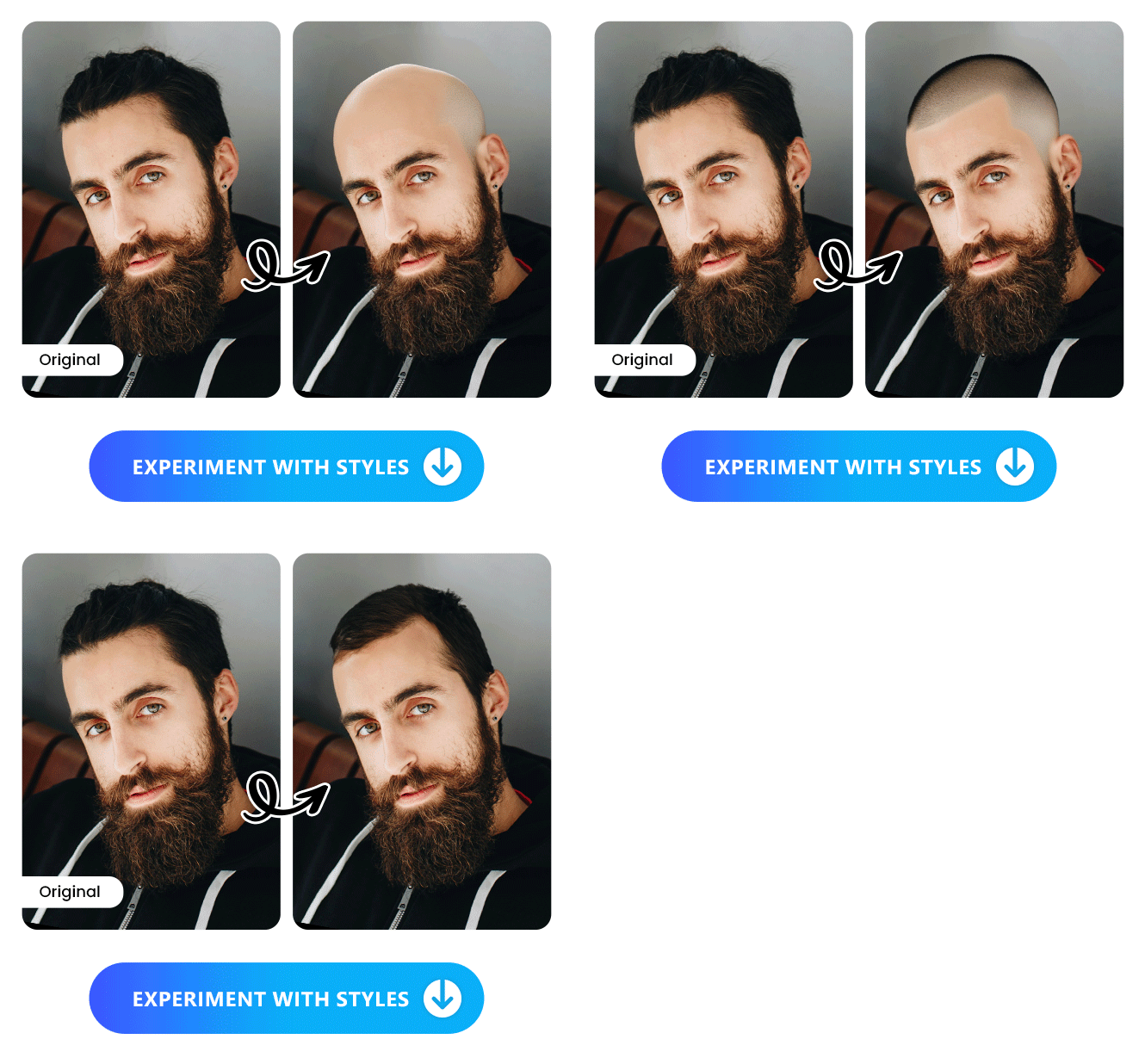
The process usually starts with a quick facial scan using a VR headset or a smartphone app. This scan maps your head shape and analyzes your current hair color, texture, and density. The software then lets you virtually try on different hairstyles, lengths, and colors in a virtual mirror, offering a level of personalization never before possible. Early adoption began around 2024, with more advanced systems appearing by 2025.
Convenience is a major driver for this shift, allowing remote consultations that save time and travel. Beyond convenience, VR consultations reduce the chance of a regrettable haircut. Seeing a realistically rendered style on yourself builds confidence and minimizes miscommunication. Stylists report this technology has transformed their client consultations, resulting in more satisfied customers and fewer touch-ups.
Decoding Your Hair in the Metaverse
The true power of VR hair consultations lies in the detailed hair analysis, not just the virtual try-on. These systems use sophisticated algorithms to analyze hair characteristics beyond basic type (curly, straight, wavy, coily), including density, porosity, and scalp health.
These systems collect detailed data, measuring strand thickness, curl pattern, and hair follicle distribution. This information informs recommendations for styles that not only look good but also suit the hair's natural properties. This marks a significant advancement, moving beyond the traditional reliance on stylist intuition and experience to data-backed recommendations.
The technology excels by focusing on what works with your hair, not just what looks good. For example, someone with fine, low-density hair might be advised against a style that would suit thick, abundant hair. VR analysis helps manage expectations and offers realistic options, ensuring a sustainable and flattering style for individual hair types.
Style Try-Ons: Beyond the Mirror
The accuracy of virtual try-on renderings has improved dramatically recently. While early versions appeared cartoonish, modern systems use high-resolution scanning and advanced rendering algorithms for realistic simulations. Users can see how a style falls, moves, and complements their face shape.
Customization options are extensive. Users can adjust length, experiment with colors, and simulate different styling effects like texturized, sleek, or tousled looks. Some systems even simulate hair growth over several months, which is useful for clients planning long-term style changes.
The primary benefit is the confidence it provides clients. Seeing a style before committing reduces anxiety and disappointment. It also significantly reduces miscommunication with stylists, eliminating awkward explanations or misinterpreted descriptions. The visual representation leaves little room for error, addressing the common fear of trying something new by showing exactly what to expect.
Salons Adapting: The New Business Model
Salons are integrating VR consultations in various ways. Some offer it as a premium service with a higher price point for added convenience and personalization. Others use it as a standard part of their consultation process, aiming to improve client satisfaction and reduce costly mistakes. The investment includes hardware (VR headsets, scanners), software licenses, and staff training.
For instance, V+S SALON STUDIO in Atlanta advertises VR consultations as a core service and operates from 10 am to 8 pm daily, indicating full integration of the technology. VR Professional Hair Salon in Rowland Heights, California, offers balayage, haircuts, and other services alongside their VR consultation option.
Marketing is primarily done through social media and online booking platforms, positioning it as a cutting-edge experience for a perfect haircut with minimal risk. Anecdotal evidence suggests increased customer satisfaction and retention, with stylists reporting more engaged clients who are likely to return. This could lead to the emergence of specialized VR-focused hair studios.
- V+S SALON STUDIO (Atlanta): Offers VR consultations as a core service.
- VR Professional Hair Salon (Rowland Heights): Integrates VR with traditional hair services like balayage and coloring.
The Rise of Remote Styling
Remote styling is a logical next step. Theoretically, a stylist from anywhere could consult via VR, analyze hair, and guide a self-cut or recommend a local stylist. This possibility faces logistical challenges like time zones, licensing regulations, and product availability.
While a longer-term prospect, the technology is advancing rapidly. The launch of 'Virtual Hair Consultations' software signals growing interest in remote solutions. Success hinges not only on technology but also on building trust and rapport with remote stylists.
Skilled stylists are essential for operating VR systems effectively. Proficiency requires not only software knowledge but also a strong understanding of hair anatomy, styling techniques, and client communication. The stylist's role is evolving from a hands-on technician to a digital consultant.
Trending Styles of 2026: VR Insights
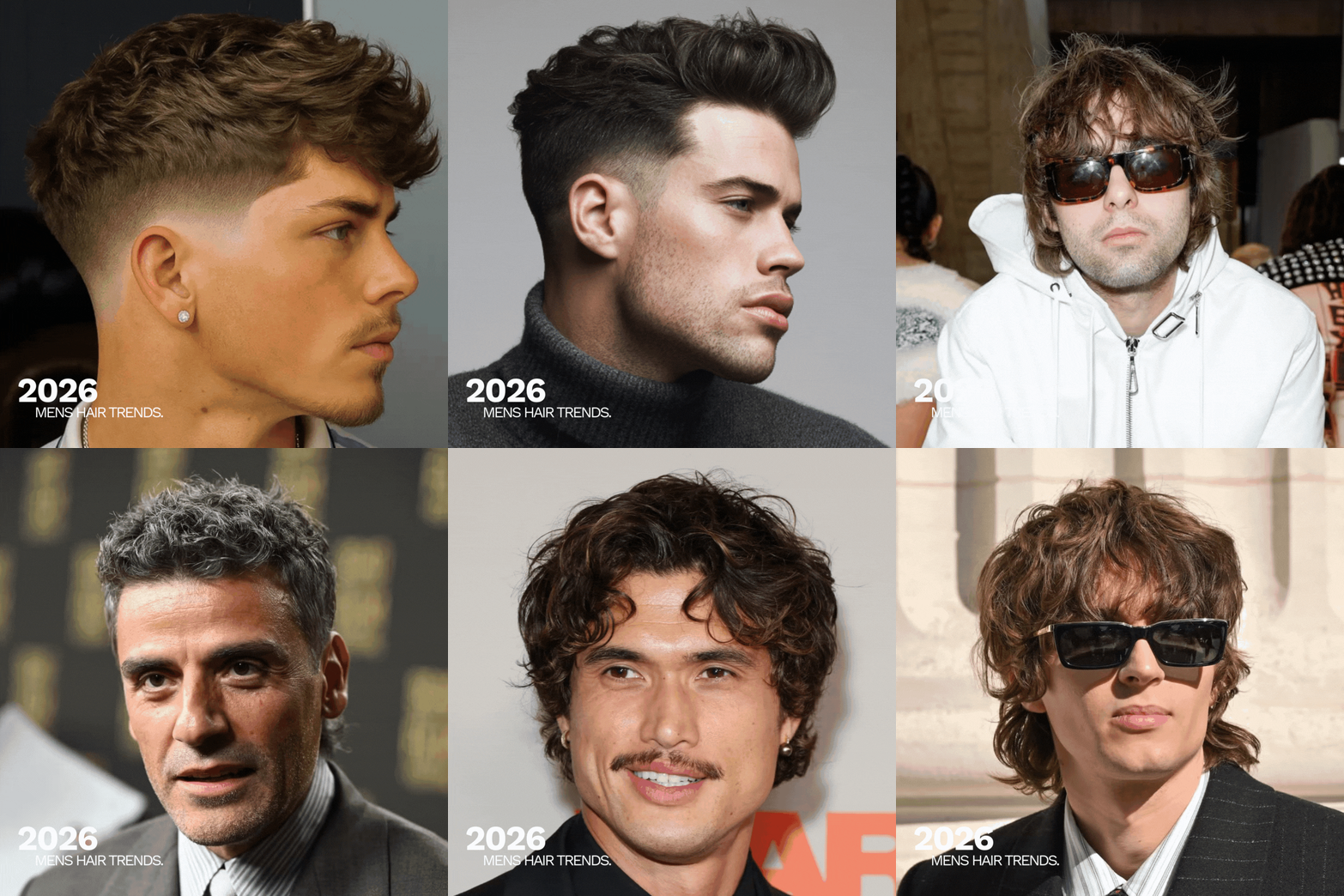
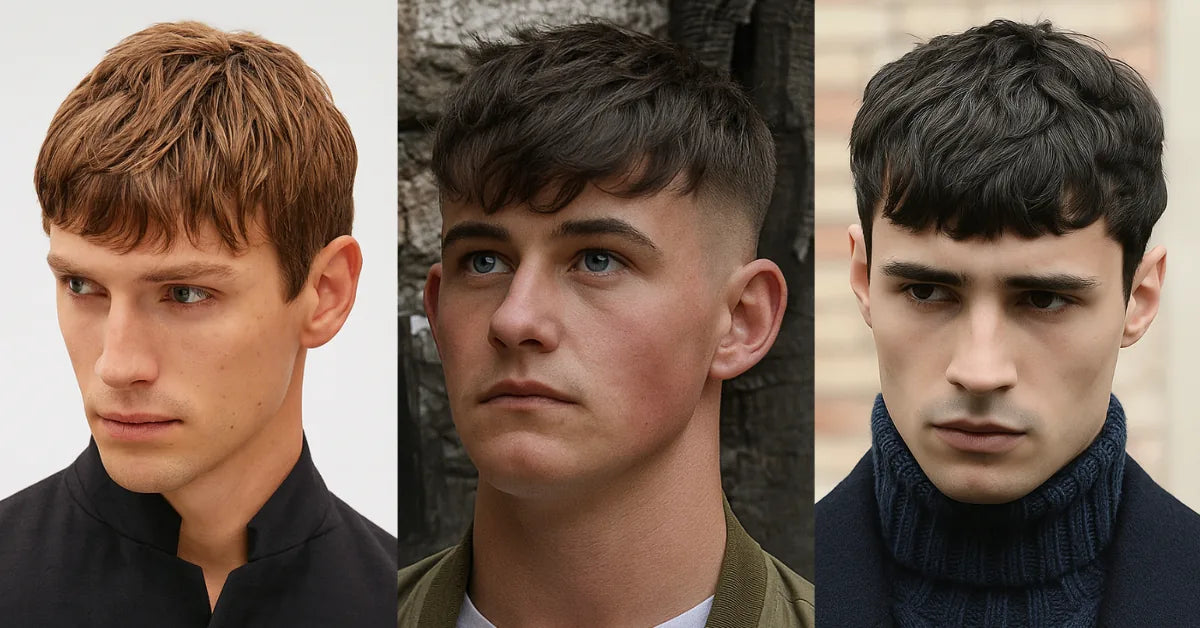
Early insights from VR consultations suggest several trends for 2026, including a resurgence of classic cuts like clean side parts, textured crops, and refined quiffs. Clients appear to favor timeless and versatile styles.
Fades remain popular but are becoming more nuanced, featuring softer transitions and blended textures instead of harsh, high-contrast lines. Personalized fades, incorporating unique patterns and designs, are also gaining interest. VR allows clients to experiment with these designs without the commitment of a permanent cut.
Styles previously only

What About the Human Touch?
One valid concern is the potential loss of the traditional barber/stylist relationship. Can VR truly replicate the personalized advice, the intuitive understanding, and the artistry of a skilled professional? The answer, I believe, is no – not entirely. VR is a tool, and like any tool, it’s only as good as the person wielding it.
The best approach isn’t about replacing stylists, but augmenting their abilities. VR can handle the initial consultation, the style visualization, and the data analysis. But the final cut, the subtle adjustments, and the personalized advice still require a human touch. It’s about blending technology with expertise.
I think a good stylist will embrace this technology, recognizing it as a way to enhance their services and build stronger relationships with their clients. It frees them up to focus on the creative aspects of their work, rather than spending time on tedious consultations and guesswork.
Content is being updated. Check back soon.
15 Trending Men's Hairstyles 2026
— Nexora (@frametheory058) March 13, 2026
Created with Google Gemini Nano banana pro
Prompt:
{
"Create a professional men's hairstyle guide poster similar to a modern barbershop style infographic. Use the uploaded photo as the exact facial identity reference so every model in the… pic.twitter.com/E9qNCXyiwG
Future Forward: Beyond 2026
Looking beyond 2026, the possibilities are exciting. Augmented reality (AR) will likely play a bigger role, allowing you to "try on" hairstyles in real-time using your smartphone camera. AI-powered style recommendations could analyze your facial features, skin tone, and personal preferences to suggest hairstyles that are perfectly suited to you.
We might also see integration with other beauty tech, such as virtual makeup applications. Imagine being able to visualize a complete look – hairstyle, makeup, even clothing – all in VR. The potential for personalized hair care routines based on VR analysis is also significant. Imagine a system that analyzes your scalp health and recommends a customized shampoo and conditioner regimen.
It's easy to get carried away, but I want to keep it grounded in current trends and technological possibilities. The future of hair styling isn't about robots replacing stylists; it’s about technology empowering both stylists and clients to achieve their best look.


No comments yet. Be the first to share your thoughts!