
How the weather breaks your hair
The conversation around hair care is shifting. It's no longer solely about achieving a certain style or addressing a specific hair type; it’s about protecting hair health in a world grappling with a changing climate. Increased humidity, more intense UV radiation, rising pollution levels, and increasingly volatile temperature swings are all taking a toll on our hair. These factors aren't just cosmetic concerns—they actively degrade the hair's structure and vibrancy.
For years, we've approached hair care with a relatively stable environmental backdrop. Now, that baseline has shifted. What worked for your hair last year might not be enough this year, and what works in one climate might be completely ineffective in another. This isn’t about indulging in expensive, trendy products, but about adapting to a new reality where hair needs more robust defense.
Product formulations are evolving to meet these challenges. We’re seeing a rise in ingredients designed to shield hair from environmental stressors, maintain moisture balance in fluctuating conditions, and repair damage caused by pollution and UV exposure. The best hair products 2026 won’t just promise shine and volume—they’ll prioritize resilience and protection. It’s a fundamental change in how we think about hair care, and it’s one that’s becoming increasingly necessary.
Stopping frizz in high humidity
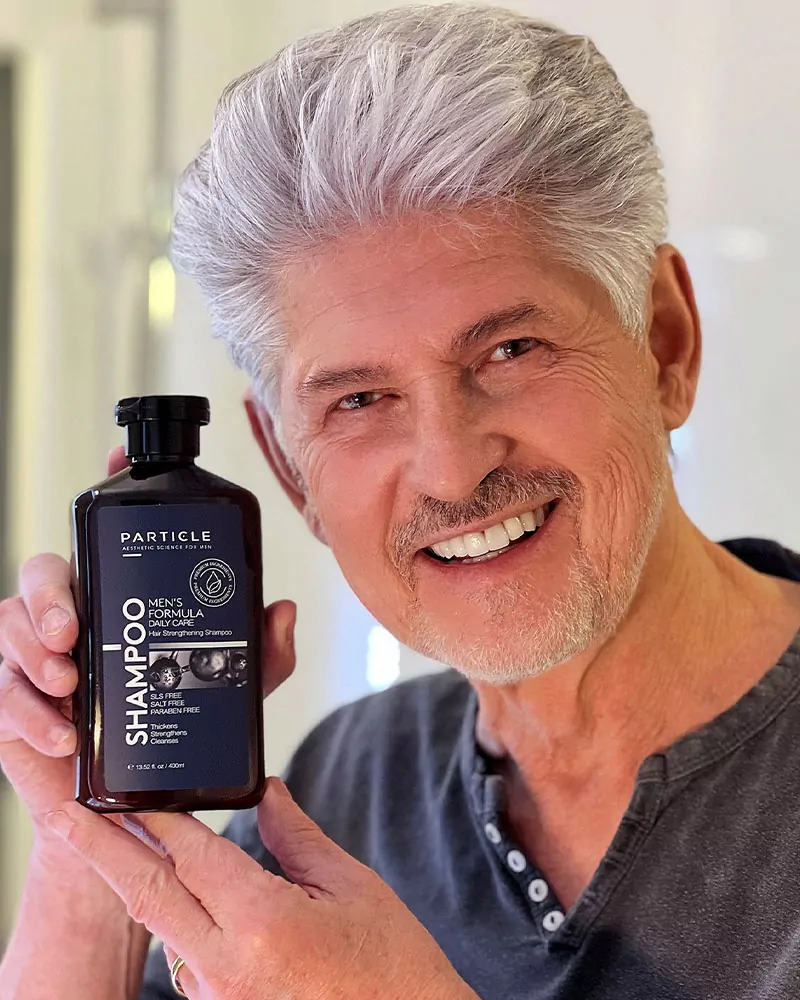
Humidity is a perennial enemy of good hair days, and its impact is only intensifying with climate change. The key to combating frizz isn’t necessarily blocking out all moisture—it's about balancing it. Ingredients like film-forming polymers create a barrier that helps repel water, while humectants attract moisture from the air and bind it to the hair shaft, preventing it from expanding and becoming frizzy.
Silicones have long been a go-to for frizz control, but many people are seeking silicone alternatives. Look for products containing plant-derived polymers or oils like argan or jojoba, which can provide similar smoothing benefits without the potential buildup. Serums are excellent for smoothing the hair cuticle, while creams offer more intensive moisture. Sprays are ideal for a lighter hold and can be used throughout the day to combat frizz.
I’ve noticed a trend towards products that combine multiple frizz-fighting mechanisms. A serum with both film-forming polymers and lightweight oils can offer a more comprehensive solution than relying on a single ingredient. The goal is to create a flexible barrier that adapts to changing humidity levels, rather than a rigid shield that can leave hair feeling stiff or unnatural.
UV protection for your scalp and strands
Just like skin, hair is vulnerable to the damaging effects of UV radiation. Prolonged sun exposure can lead to color fading, protein loss, dryness, and even structural damage. This is especially true for color-treated hair, which is already more porous and susceptible to damage. Protecting your hair from the sun is as important as protecting your skin.
Some products incorporate UV filters, such as benzophenone-4, to absorb UV rays. Others rely on antioxidants like vitamin E and green tea extract to neutralize free radicals generated by sun exposure. Leave-in conditioners with UV protection are a convenient option, as are hair oils that create a protective barrier.
While hats are an effective form of sun protection, they aren’t always practical or desirable. That’s where targeted hair products really shine. I’m seeing more products specifically marketed for "summer hair’ that emphasize UV defense alongside hydration. Don"t underestimate the power of a good hair oil – it's a simple and effective way to add a layer of protection.
- UV protective hats are the most reliable physical block.
- Leave-in Conditioners with UV Filters
- Hair Oils with Antioxidants
Featured Products

Detangles and conditions hair · Provides UV protection · Helps control frizz
This leave-in conditioner offers essential UV protection and conditioning benefits to keep men's hair healthy and styled, regardless of sun exposure.

Lightweight argan oil formula · Adds shine and softness · Detangles and reduces frizz
This lightweight argan oil treatment provides essential conditioning benefits to keep men's hair healthy and styled, regardless of sun exposure.
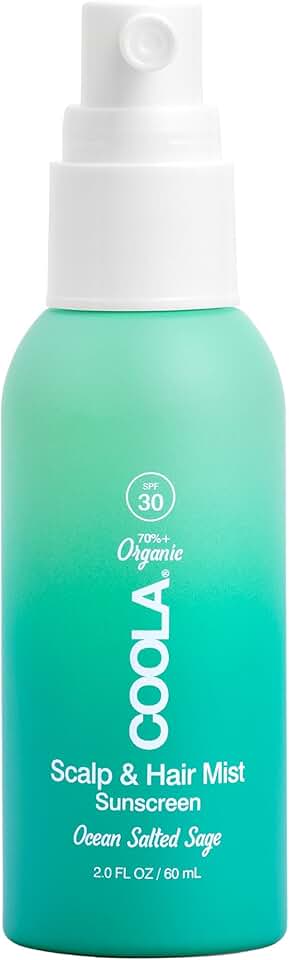
SPF 30 protection for scalp and hair · Dermatologist tested · Vegan and gluten-free formula
This scalp and hair sunscreen mist offers essential UV protection to keep men's hair healthy and styled, regardless of sun exposure.
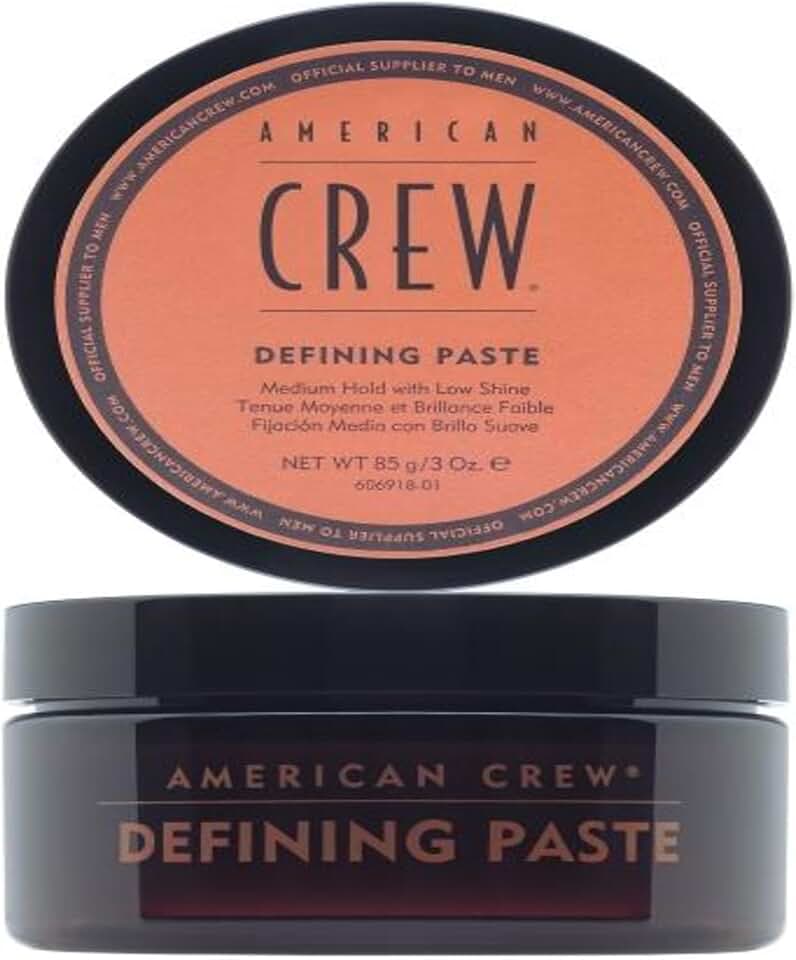
Medium hold for styling · Low shine finish · Defines hair without stiffness
This hair defining paste offers essential styling benefits to keep men's hair healthy and styled, regardless of sun exposure.

Heat protection cream · Reduces frizz and adds shine · Nourishes dry hair
This heat protecting cream offers essential conditioning benefits to keep men's hair healthy and styled, regardless of sun exposure.
As an Amazon Associate I earn from qualifying purchases. Prices may vary.
Pollution Defense: Cleansing and Shielding
Air pollution isn’t just a respiratory hazard; it’s a hair hazard too. Particulate matter, smog, and other pollutants can attach to the hair shaft, causing buildup, dullness, and damage. This buildup can weigh hair down, making it look limp and lifeless, and can even contribute to scalp irritation.
Clarifying shampoos containing chelating agents can help remove pollutant buildup, but it’s important to use them in moderation. Over-cleansing can strip the hair of its natural oils, leading to dryness and breakage. Instead, focus on incorporating antioxidant-rich products into your routine to create a protective barrier against pollution.
I often recommend alternating between a gentle, sulfate-free shampoo and a clarifying shampoo. This approach allows you to remove buildup without completely stripping the hair. Look for products with ingredients like vitamin C, which is a powerful antioxidant that can help neutralize the damaging effects of pollutants. It's about finding a balance between cleansing and protecting.
Temperature Swings: Adapting to Extremes
Dramatic temperature fluctuations can wreak havoc on hair. Extreme heat can lead to dryness, breakage, and color fading, while cold, dry air can leave hair brittle and prone to static. Adapting your hair care routine to the seasons is crucial.
During the summer months, prioritize heat protectants before using any heat styling tools. In the winter, focus on moisturizing treatments to combat dryness. Deep conditioning masks and hair oils can help restore moisture and prevent breakage. Strengthening products containing proteins can also help hair withstand temperature fluctuations.
I've found that switching to a heavier, more moisturizing conditioner in the winter is a game-changer. It provides an extra layer of hydration that helps protect hair from the harsh elements. Also, consider reducing the frequency of washing during the winter months to prevent further dryness.
Top picks from Bazaar and Good Housekeeping
According to Harper's Bazaar's 2026 Hair Awards and Good Housekeeping's testing, several products consistently stood out for their climate-adaptive properties. These weren't necessarily new products, but formulas that proved particularly resilient in their testing scenarios. It’s worth noting that both publications emphasized the importance of ingredient quality and long-term hair health.
For straight hair, the Kérastase Chroma Absolu Serum Chroma Caviar (Harper's Bazaar) was praised for its ability to protect color and add shine without weighing hair down. Good Housekeeping highlighted the Olaplex No. 3 Hair Perfector as a restorative treatment for heat-damaged hair. Both publications noted its effectiveness in repairing bonds broken by environmental stressors.
Wavy hair benefited from the lightweight hydration of the Briogeo Farewell Frizz Rosarco Milk Leave-In Conditioning Spray (Good Housekeeping), which provided frizz control without stiffness. Bazaar’s editors favored the Pattern Hydration Shampoo and Conditioner for its ability to maintain curl definition while cleansing gently. For curly and coily hair, the DevaCurl SuperCream Coconut Curl Styler (Bazaar) earned top marks for its moisturizing and curl-defining properties. The Good Housekeeping team recommended the Mielle Organics Pomegranate & Honey Leave-In Conditioner for its intense hydration and detangling abilities.
Addressing damage, the Virtue Restorative Overnight Mask (Harper’s Bazaar) was a standout, demonstrating significant improvement in hair strength and elasticity. For tackling dryness, the Moroccanoil Treatment (Good Housekeeping) remained a consistent favorite, praised for its ability to nourish and add shine. These picks represent a blend of established brands and newer formulations prioritizing hair health in challenging conditions.
Top Climate-Adaptive Hair Products for Men (2026)
| Product Name | Hair Type | Key Ingredients | Climate Challenge Addressed | Bazaar Rating | Good Housekeeping Rating |
|---|---|---|---|---|---|
| Oribe Desertland Revitalizing Botanical Oil | All Hair Types, especially Dry | Prickly Pear Seed Oil, Jojoba Oil, Vitamin E | Combats Dryness from Low Humidity/High Heat | Highly Recommended | Editor's Pick |
| Davines OI All In One Milk | Fine to Medium Hair | Roucou Oil, Iris Florentina Extract | Protects Against UV Damage & Humidity | Recommended | Best for Versatility |
| Kiehl’s Amino Acid Conditioner | Normal to Oily Hair | Amino Acids, Coconut Oil | Balances Scalp in Hot, Humid Climates | Approved | Good Value |
| Aveda Men Pure-Formance Grooming Clay | Thick/Coarse Hair | Kaolin Clay, Certified Organic Cupuacu Butter | Provides Hold in High Humidity | Bazaar Winner | Highly Rated |
| R+Co Radio Frequency Leave-In Conditioner | Wavy/Curly Hair | Vitamin C, Pro Vitamin B5 | Hydrates and Defines in Dry Climates | Recommended | Best for Curly Hair |
Illustrative comparison based on the article research brief. Verify current pricing, limits, and product details in the official docs before relying on it.
Sustainable Styling: Eco-Friendly Choices
The growing awareness of environmental issues extends to the beauty industry, and eco-friendly men's grooming is gaining momentum. Consumers are increasingly seeking products with sustainable packaging, ethically sourced ingredients, and cruelty-free practices. It’s not enough for a product to work well; it needs to align with your values.
Look for brands that prioritize refillable systems, reducing plastic waste. Solid shampoos and conditioners are another excellent option, eliminating the need for plastic bottles altogether. Pay attention to ingredient sourcing – are the ingredients sustainably harvested? Is the brand transparent about its supply chain?
Avoid brands that engage in greenwashing – making misleading claims about their environmental impact. Look for certifications from reputable organizations, such as Leaping Bunny (cruelty-free) or Fair Trade. Brands like Ethique and Package Free Shop are leading the way in sustainable hair care, offering a wide range of plastic-free and eco-friendly options. Sustainable hair styling is about making conscious choices that benefit both your hair and the planet.
- Ethique
- Package Free Shop
- Brands with Refillable Systems
Sustainability Evaluation Criteria
- Packaging Materials - Products utilizing recycled plastics (like those increasingly found in Method packaging), biodegradable materials (mushroom packaging as pioneered by Ecovative), or refillable systems (Loop platform partners) are prioritized.
- Ingredient Sourcing - Brands demonstrating transparency in sourcing, favoring organically grown or sustainably harvested ingredients (like those highlighted by Aveda’s commitment to responsible sourcing) are favored.
- Water Usage - Products formulated to require less water during use (waterless shampoos like those offered by Pura d'or) or manufactured with water conservation in mind are considered.
- Manufacturing Processes - Companies employing renewable energy in their manufacturing (as Unilever aims to do across its operations) and minimizing waste generation are preferred.
- Carbon Footprint - Brands actively measuring and working to reduce their carbon footprint through initiatives like carbon-neutral shipping (offset programs offered by companies like Shopify for merchants) are advantageous.
- Cruelty-Free Certification - Products holding certifications from recognized organizations like Leaping Bunny or PETA demonstrate a commitment to animal welfare.
- Biodegradability - Formulations with readily biodegradable ingredients (as assessed through testing standards like OECD 301) minimize environmental impact after use.
- Concentrated Formulas - Products offered in concentrated form (like some offerings from Blueland) reduce packaging and shipping weight, lessening the overall environmental impact.

No comments yet. Be the first to share your thoughts!