
Curly Hair Fades: The 2026 Revival
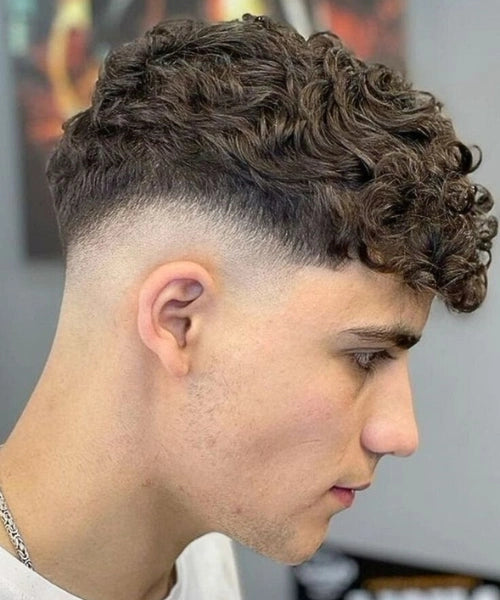
The curly hair fade is back, and it’s bigger than ever. Forget the boxy high-tops of the past; 2026 is seeing a refinement of this classic cut, a move towards textured fades that genuinely celebrate natural curl patterns. It’s a reaction, I think, to years of pushing for straightened looks, a reclaiming of what grows naturally. We’re seeing this shift reflected across men’s grooming – a desire for less maintenance, more individuality, and a healthy respect for hair’s inherent texture.
This resurgence isn’t happening in a vacuum. Music, particularly hip-hop, continues to be a major driver of style. Artists are sporting more natural looks, and that influences their fans. Fashion, too, is leaning into relaxed silhouettes and textures, which complements the softer lines of a curly fade. Social media, naturally, is amplifying these trends, with platforms like Pinterest and Instagram showcasing a huge variety of styles.
Getting a clean fade on curls is harder than it looks. If the barber doesn't understand how your specific texture coils, they'll likely cut too much bulk or leave the transition looking patchy. You need to know your curl pattern before you sit in the chair so you can tell the barber exactly where the blend should start.
Identify your curl pattern
Before you even think about the fade itself, you need to understand your hair. The Andre Walker Hair Typing System is the most widely used classification, though it’s not perfect. It categorizes curls from 2A (very loose waves) to 4C (tightly coiled z-patterns). Knowing your type is the first step, but it's rarely that simple. Most people have a combination of textures, with varying degrees of curl throughout their head.
Here's a breakdown, keeping in mind that these are guidelines, not rigid rules:
Type 2A: Loose, stretched-out S-waves. Easily straightened. Requires lightweight products to avoid being weighed down. Type 2B: More defined S-waves that start closer to the root. Prone to frizz. Benefits from mousse or gel for definition. Type 2C: Defined S-waves with some spiral formation. More resistant to straightening. Needs stronger hold products.
Type 3A: Large, loose curls. Shiny and well-defined. Can be prone to frizz in humid conditions. Type 3B: Medium-sized, springy curls. More volume than 3A. Requires moisturizing products to prevent dryness. Type 3C: Tight, corkscrew curls. Densely packed and prone to shrinkage. Needs heavy creams and butters.
Type 4A: Tightly coiled S-pattern curls. Significant shrinkage. Requires intense hydration and sealing. Type 4B: Z-shaped pattern with less defined curls. Prone to breakage. Needs protective styling and deep conditioning. Type 4C: Very tightly coiled with minimal definition. Extremely fragile. Requires consistent moisture and gentle handling.
- Porosity: How well your hair absorbs and retains moisture. Low porosity hair is resistant, medium porosity is balanced, and high porosity absorbs quickly but loses moisture easily.
- Density: How much hair you have per square inch of scalp. Low density is sparse, medium density is average, and high density is thick.
- Elasticity: How much your hair stretches and returns to its original shape. Low elasticity indicates damage or dryness.
Andre Walker Hair Typing System & Fade Recommendations
| Curl Type | Description | Porosity Considerations | Best Fade Styles | Notes |
|---|---|---|---|---|
| 2A | Loose, stretched-out S-waves. Easily straightened. | Generally lower porosity; responds well to lightweight products. | Skin fade with length on top to showcase waves. Subtle taper fades. | Prone to frizz; avoid heavy products. |
| 2B | More defined S-waves that start closer to the root. Medium hold products needed. | Medium porosity; benefits from balanced hydration. | Taper fades that blend into the waves. Textured crop with a fade. | Can be prone to becoming undefined with humidity. |
| 2C | Well-defined S-waves, thicker than 2A/2B. Some spiral shape. | Can range from low to medium porosity; requires moisture. | Drop fades and temple fades work well, maintaining volume on top. | May experience some frizz and requires careful product layering. |
| 3A | Large, loose curls. Well-defined and springy. | Medium to high porosity; needs consistent moisture. | High top fades with defined curls. Tapered sides with curl definition. | Susceptible to dryness; regular deep conditioning is important. |
| 3B | Tighter curls, ranging from ringlets to corkscrews. More volume. | Medium to high porosity; benefits from leave-in conditioners. | Burst fades with defined curls. Slightly longer length on top for curl expression. | Prone to shrinkage; consider cut length when dry. |
| 4A | Tightly coiled curls, S-shaped. Defined curl pattern when stretched. | Low to medium porosity; requires rich moisturizers. | Low fades or skin fades with a fuller top. Shape-ups to enhance curl pattern. | Easily prone to dryness and breakage; gentle handling is crucial. |
| 4B | Z-shaped, tightly coiled with less defined curl pattern. Shrinkage is significant. | Low porosity; needs products to penetrate the hair shaft. | Clean fades with a focus on maintaining moisture and length. Defined edges. | Requires consistent moisture and protective styling to prevent breakage. |
| 4C | Very tightly coiled, with little to no defined curl pattern. Significant shrinkage. | Lowest porosity; requires intensive hydration and sealing. | Fades with textured tops, prioritizing length retention. Consider a shaped hairline. | Extremely fragile; requires gentle handling, deep conditioning, and minimal manipulation. |
Illustrative comparison based on the article research brief. Verify current pricing, limits, and product details in the official docs before relying on it.
Fade styles that work
Now for the cuts. The key with curly hair is to avoid a harsh contrast between the faded and non-faded hair. A sharp, abrupt line can look unnatural and disrupt the curl pattern. Instead, focus on blending and gradual transitions. Communication with your barber is essential. Bring pictures, be specific about the length you want, and explain that you want a fade that complements your curls, not fights against them.
Drop Fades: These are a classic for a reason. The fade drops gradually behind the ear, creating a smooth transition. They work well with most curl types, but are particularly flattering on 3A-3C hair. A skilled barber will use clippers to create a seamless blend, avoiding any harsh lines.
Taper Fades: A taper fade is more subtle than a drop fade. It gradually shortens the hair around the sides and back, but maintains more length overall. This is a good option if you want a more conservative look, or if you have finer hair. It's effective on 2B-4A hair.
Skin Fades: These are the boldest option, where the hair is faded down to the skin. They can look great with curly hair, but require a very skilled barber to execute properly. The risk of creating a stark contrast is higher with skin fades, so it's crucial to find someone who understands curly hair texture. Best suited for 3B-4C hair.
Burst Fades: A burst fade features a concentrated burst of very short hair at the nape of the neck. It adds a unique detail to the fade and can work well with most curl types. It’s a good way to add some visual interest without being too dramatic.
Line-Ups: A crisp, clean line-up can elevate any curly fade. It’s important to ensure the line-up is blended seamlessly into the fade, and doesn’t look too harsh. This looks best with tighter curl patterns – 3C and 4A/B.
- Ask your barber to use a guard while fading, even for a skin fade. This helps to create a smoother transition.
- Avoid asking for a fade that's too high or too low for your head shape and curl pattern.
- Be prepared to spend extra time in the chair. Fading curly hair takes skill and patience.
The right products
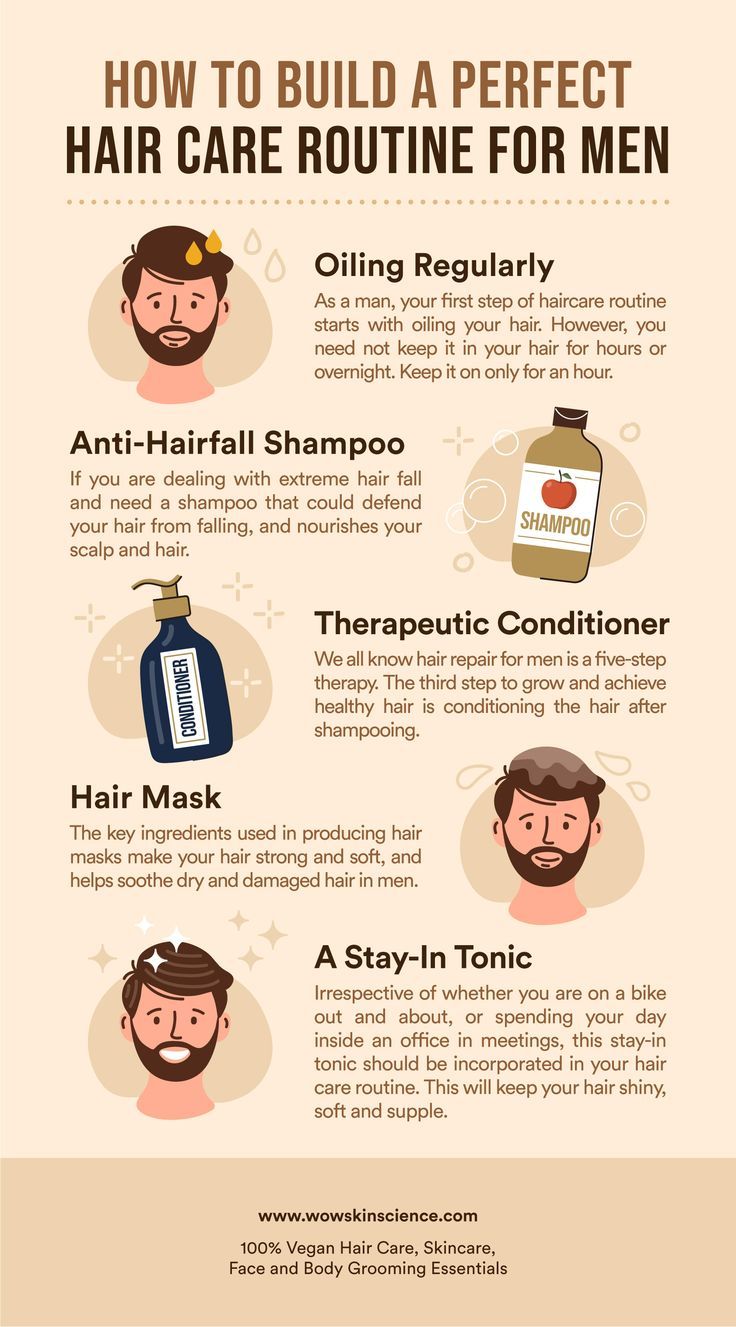
Products are crucial for maintaining a healthy and defined curly fade. The right products will enhance your curl pattern, prevent dryness, and minimize frizz. The key is to layer products, starting with hydration and ending with hold. Don't just grab anything off the shelf; think about your curl type and the desired finish.
Pre-Fade Prep: Start with a moisturizing sulfate-free shampoo. Sulfates can strip the hair of its natural oils, leading to dryness and breakage. Follow with a deep conditioner – Shea Moisture Manuka Honey & Mafura Oil Intensive Hydration Hair Masque is a solid choice for 3C-4C hair. A leave-in conditioner is also essential, especially for tighter curl patterns. As I Am Leave-In Conditioner is popular for its detangling and moisturizing properties.
During-Fade Maintenance: During the fade process, a light oil can help lubricate the hair and protect it from clipper burn. Jojoba oil is a good option because it mimics the hair’s natural sebum. After the fade, a daily leave-in conditioner is vital. Consider a curl refresher spray to reactivate curls throughout the day. Pattern Beauty Curl Refreshing Spray is designed for this purpose.
Post-Fade Styling: This is where you define your curls. For looser curls (2A-3A), a mousse or light gel will provide hold without weighing the hair down. For tighter curls (3B-4C), a heavier cream or butter is needed. Camille Rose Naturals Curl Maker is a favorite among those with tighter textures. Avoid products containing alcohol, as they can be drying. A good edge control – like Murray’s Edge Wax – can help define the hairline without flaking.
Product choice is intensely personal. Experiment! What works wonders for one person might not work for another. Pay attention to how your hair responds to different products and adjust accordingly. Don't be afraid to mix and match products to create a customized routine.
- Shea Moisture Manuka Honey Masque for deep hydration
Featured Products

Infused with Coconut Oil, Hibiscus Flower Extract, and Shea Butter · Gently cleanses and detangles · Promotes bouncy, frizz-free curls
This duo provides essential moisture and definition, perfect for enhancing natural curl patterns and controlling frizz.

Intensive hydration for dry, curly hair · Formulated for 3c-4c curl types · Contains natural ingredients to restore moisture and softness
Offers deep conditioning to combat dryness and improve the manageability of tighter curl textures.
![Cantu Shea Butter for Natural Hair Moisturizing Curl Activator Cream, 12 Fl Oz [Amazon-developed Certification] Compact by Design](https://m.media-amazon.com/images/I/61l2RtzRuOL._AC_UL960_QL65_.jpg)
Activates curls and enhances natural pattern · Moisturizes and softens hair · Provides frizz-free definition
This cream effectively defines curls while adding moisture, making it ideal for achieving polished styles.
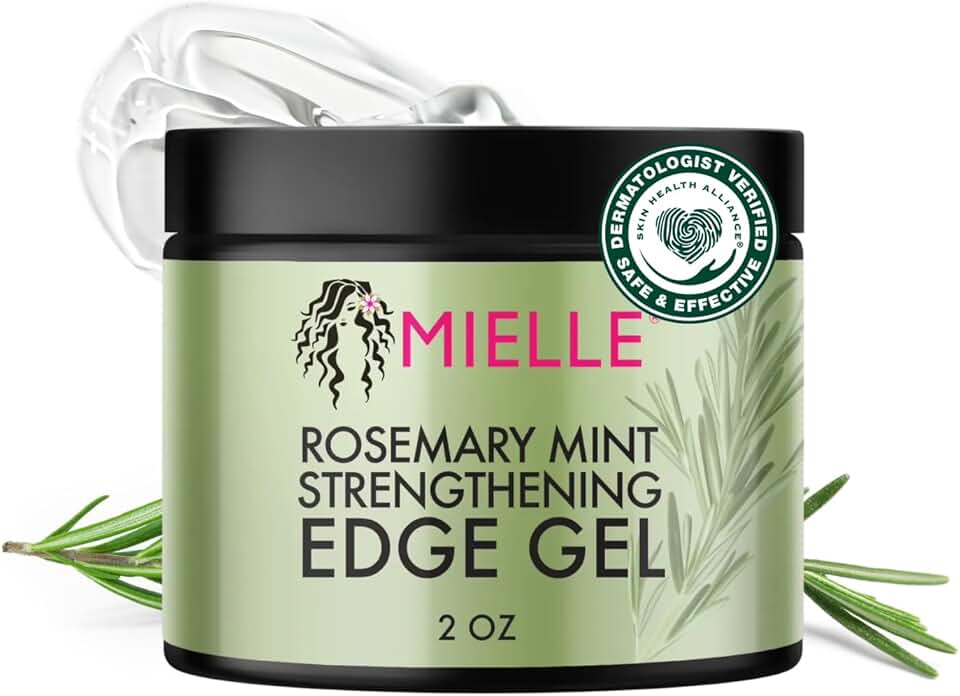
Strong hold for edges and styling · Infused with Rosemary, Mint, Biotin, Coconut Oil, and Babassu Oil · Encourages healthier, longer-looking hair
Provides superior hold for sleek edges and styling, while its nourishing ingredients support hair health.

Pre-shampoo repair treatment · Repairs hair damage in 3 minutes · Leaves hair softer and stronger
This rapid treatment works to repair damage, improving hair strength and texture for all curl types.
As an Amazon Associate I earn from qualifying purchases. Prices may vary.
Maintaining the Shape: Weekly & Monthly Care
Maintaining a curly hair fade isn't just about the cut; it's about the ongoing care. A regular maintenance routine is crucial for keeping your curls healthy, defined, and looking their best. Touch-ups will depend on your hair growth rate and the style of fade. Generally, a touch-up every 1-2 weeks is needed to maintain a crisp, clean look.
Deep conditioning is non-negotiable. Aim for a deep conditioning treatment at least once a week. This will help replenish moisture, prevent breakage, and keep your curls bouncy. Consider using a hooded dryer or steamer to help the conditioner penetrate the hair shaft.
Refreshing curls between washes is essential. A curl refresher spray or a light leave-in conditioner can help revive curls and reduce frizz. Pineapple-ing your hair at night (loosely gathering it on top of your head) can help preserve your curl pattern while you sleep. Using a satin pillowcase can also minimize friction and prevent breakage.
Lifestyle factors play a role. Swimming in chlorinated water can dry out your hair, so always wet your hair with fresh water and apply a leave-in conditioner before swimming. Regular exercise can also lead to sweat build-up, so wash your hair more frequently if needed. Adjust your routine based on your activity level.
- Schedule fade touch-ups every 1-2 weeks.
- Deep condition weekly.
- Use a satin pillowcase.
- Protect hair before swimming.
Troubleshooting Common Issues
Even with the best care, you might encounter some issues. Uneven fades are common, especially if you're going to a new barber. Communicate clearly and provide pictures. If the fade is still uneven, consider going back to the barber for a correction. Dry, brittle curls are often a sign of dehydration. Increase your water intake and use more moisturizing products.
Product build-up is a constant battle. Use a clarifying shampoo every two weeks to strip away the silicone residue that makes curls look heavy and greasy. If your scalp is itching, it's usually a reaction to fragrance or simple dryness. Keeping the skin moisturized is the best defense against that 'tight' feeling after a fresh cut.
Difficulty achieving definition is a common problem for those with looser curl patterns. Experiment with different styling products and techniques to find what works best for your hair. Consider using a curl-defining brush or a diffuser to enhance your curls. Remember, consistency is key. It takes time and effort to find the right routine for your hair.
- Q: My fade is uneven. A: Communicate with your barber and ask for a correction.
- Q: My curls are dry and brittle. A: Increase hydration and use more moisturizing products.
- Q: I have product build-up. A: Clarify your hair with a clarifying shampoo.

No comments yet. Be the first to share your thoughts!