
The 2026 Hair Care Shift
Men's hair care has changed. It's no longer just about a quick wash and comb; there's a greater emphasis on preventative care and scalp health. It's about the health of the hair itself. Men are actively seeking information and products tailored to their specific needs.
The men's grooming market has exploded, leading to much noise and many products that don't deliver. It's easy to get lost in the hype, but an effective hair care routine doesn't need to be complicated or expensive. The focus is shifting towards understanding why certain ingredients work, and using a tailored approach instead of blindly following trends.
The FDA regulates hair products to ensure they meet certain safety standards; more information is available on their website (fda.gov). However, the FDA’s oversight doesn’t cover every ingredient or formulation. Consumers must be informed and make smart choices. This shift towards informed consumers is driving change.
Know Your Scalp & Hair Type
Before buying a product, understand your scalp and hair type. Most guys skip this step, which is a mistake. Using the wrong products can cause dryness, irritation, buildup, and hair loss.
Scalp types include oily, dry, sensitive, and normal. Oily scalps produce excess sebum, leading to greasy hair. Dry scalps lack moisture, causing flakiness and itchiness. Sensitive scalps are easily irritated by products. Normal scalps are balanced. How your scalp feels after washing helps determine its type – tight and itchy suggests dryness, while greasy suggests oiliness.
Hair type is often confused with hair texture, but they're different. Hair type refers to the shape of the hair follicle – straight, wavy, curly, or coily. Hair texture refers to the thickness of the individual strand – fine, medium, or coarse. Research on hair cosmetics (pmc.ncbi.nlm.nih.gov) shows how different ingredients impact these types, so knowing yours is important. Genetics and environment also play a role; where you live and your family history can influence both your scalp and hair.
- Oily Scalp: Produces excess sebum.
- Dry Scalp: Lacks moisture, prone to flakiness.
- Sensitive Scalp: Easily irritated.
- Normal Scalp: Balanced, healthy.
What's Your Hair Type? Find the Perfect Routine
Maintaining a great hairstyle starts with understanding your hair and scalp. This quick quiz will help you identify your hair type, so you can choose the right products and techniques for a healthy, stylish look all year round. Answer honestly to get the most accurate result!
The Core Routine: Daily & Weekly
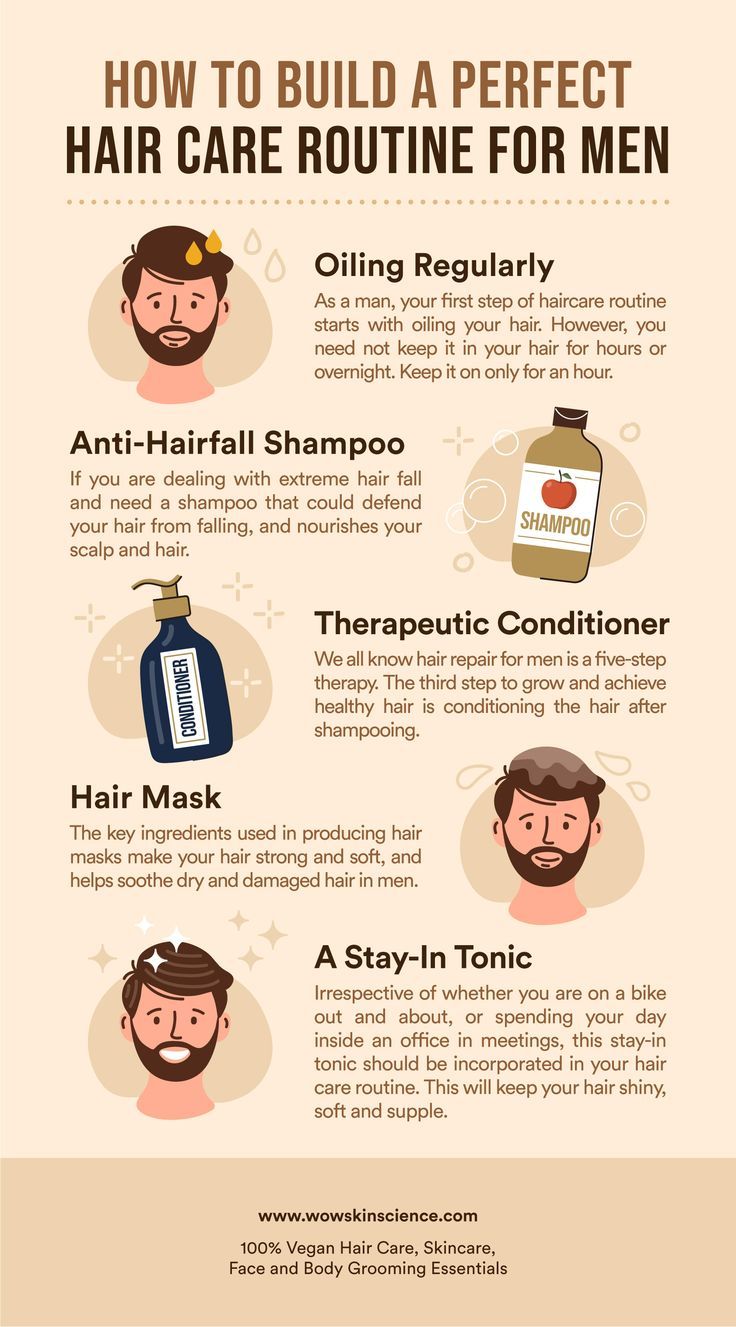
A hair care routine doesn’t have to be complicated. Break it down into daily and weekly steps. For daily care, focus on gentle cleansing and lightweight hydration. Treat it like skincare for your hair – you wouldn't use harsh chemicals on your face, so why use them on your scalp?
A gentle cleanser is key. Avoid harsh sulfates like Sodium Lauryl Sulfate (SLS) and Sodium Laureth Sulfate (SLES), which strip hair of its natural oils. Follow with a lightweight moisturizer to replenish hydration. Weekly, exfoliate your scalp to remove buildup and promote healthy growth. Use a physical scrub or a chemical exfoliant like salicylic acid.
Deep conditioning is also crucial weekly. Different conditioners serve different purposes. Leave-in conditioners provide ongoing hydration, rinse-out conditioners detangle and smooth, and deep conditioners penetrate the hair shaft to repair damage. Choose the right one based on your hair type and needs. Consistent gentle care is more effective than infrequent harsh treatments.
Many guys damage their hair with products that are too strong or harsh. It's better to err on the side of caution and choose products designed for sensitive scalps and delicate hair. Build a routine that nourishes and protects your hair, rather than stripping it and causing damage.
Product Spotlight: Cleansers & Conditioners
When choosing a cleanser and conditioner, ingredients matter. Look for hydrating ingredients like hyaluronic acid, aloe vera, and glycerin, which attract and retain moisture. Tea tree oil can benefit oily scalps due to its antimicrobial properties. For dry or sensitive scalps, look for ingredients like shea butter or chamomile.
Avoid certain ingredients. Sulfates are a major culprit for stripping hair of its natural oils. Parabens are preservatives linked to hormone disruption, and silicones can create buildup and prevent moisture penetration. Understanding why you're avoiding these ingredients is as important as knowing what to avoid.
For oily hair, use a clarifying shampoo weekly to remove excess oil and buildup, paired with a lightweight, sulfate-free conditioner. For dry hair, use a moisturizing shampoo and a rich, creamy conditioner. If you have sensitive skin, opt for fragrance-free and dye-free products. Here are examples:
Oily Hair: Look for cleansers with tea tree oil or salicylic acid. A good option is the SheaMoisture African Black Soap Bamboo & Charcoal Clarifying Shampoo. Dry Hair: Seek out hydrating formulas with shea butter or argan oil. The Carol's Daughter Black Vanilla Moisture & Shine Hydrating Shampoo is a solid choice. Sensitive Scalp: Fragrance-free and hypoallergenic options are best, like the Vanicream Free & Clear Shampoo.
Featured Products
![CeraVe Oil Control Balancing Shampoo, Clarifying Shampoo With Ceramides & Hyaluronic Acid, Removes Oil and Leaves Hair Feeling Hydrated, For All Hair & Scalp Types, Sulfate Free & Color Safe, 12 oz [Amazon-developed Certification] Compact by Design](https://m.media-amazon.com/images/I/61xpexCVd5L._AC_UL960_QL65_.jpg)
Clarifying shampoo designed to remove excess oil and impurities · Contains ceramides and hyaluronic acid to hydrate the scalp and hair · Sulfate-free and color-safe formula suitable for all hair and scalp types
This shampoo effectively cleanses oily hair without stripping essential moisture, making it a great starting point for any hair care routine.

Moisture-rich conditioner formulated for dry and damaged hair · Contains Vitamin E to nourish and soften hair · Large 28-ounce size offers excellent value
This conditioner provides deep hydration and helps to restore softness and manageability to dry or damaged hair, complementing the cleansing action of a shampoo.

Shampoo designed for hair refreshing and strengthening · Contains menthol for a revitalizing feel · Large 28 fl oz bottle for extended use
A refreshing and strengthening option that leaves hair feeling clean and invigorated, suitable for daily use to maintain hair health.

Shampoo and conditioner set specifically for curly hair types · Formulated to define waves, reduce frizz, and moisturize · Sulfate-free formula safe for color-treated hair and suitable for both men and women
This set is ideal for men with textured or curly hair, providing the necessary moisture and definition to manage frizz and enhance natural curl patterns.
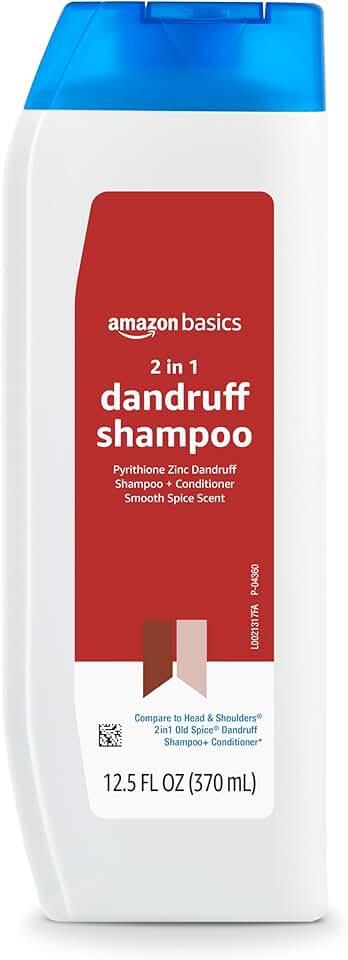
2-in-1 shampoo and conditioner with anti-dandruff properties · Helps control itch and flakes for a healthier scalp · pH-balanced, paraben-free, and safe for all hair types with a smooth spice scent
This convenient 2-in-1 product addresses common scalp concerns like dandruff and itchiness while cleansing and conditioning, simplifying the routine.
As an Amazon Associate I earn from qualifying purchases. Prices may vary.
Beyond the Basics: Serums & Treatments
After mastering the core routine, explore advanced products like scalp serums and styling aids. Scalp serums target concerns like hair growth and dandruff. Many contain ingredients like caffeine, biotin, or rosemary oil, believed to stimulate hair follicles. Beard oils maintain a healthy beard, keeping it soft and hydrated.
Styling aids like pomades, gels, and waxes help achieve your desired look. Choose products without harsh chemicals or alcohol, which can dry out hair. Manage your expectations; these products enhance hair but won't magically solve all problems.
undefined months. Consider using a leave-in conditioner with UV protection or wearing a hat.
George's picks from The Classic Barber Shop include Rolda Hair Texturizing Styling Powder, Johnny B. Mode Styling Gel, and Suavecito Original Hold Pomade (bestfortworthbarber.com). These are good examples of products that offer hold and style without being overly damaging, but remember to choose what works best for your hair.
Seasonal Adjustments: Adapting Your Routine
Your hair needs change with the seasons, so your routine should too. During the summer, sun exposure and increased humidity can dry out your hair and scalp. Switch to a lighter moisturizer and use a UV protectant spray. In the winter, cold weather and dry air can lead to dryness and breakage. Increase your use of deep conditioners and consider using a humidifier.
Humidity can also play a big role. If you live in a humid climate, you might need to use a product that controls frizz. In drier climates, you might need to use a more hydrating shampoo and conditioner. What works in July likely won't work in January.
Don't underestimate the impact of diet and hydration on hair health. Drinking plenty of water and eating a balanced diet rich in vitamins and minerals is essential for healthy hair growth. Consider incorporating foods like eggs, spinach, and salmon into your diet.
Pay attention to how your hair feels. If it feels dry and brittle, you need to increase your hydration. If it feels greasy and weighed down, you need to switch to a lighter product. Your hair is constantly changing, so your routine should be flexible enough to adapt.
Troubleshooting Common Issues
Dandruff, hair loss, and breakage are common concerns. Dandruff is often caused by a fungal infection and can be treated with medicated shampoos. Hair loss can have many causes, including genetics, stress, and medical conditions. Breakage is often caused by damage from heat styling or harsh chemicals.
For mild dandruff, over-the-counter shampoos containing zinc pyrithione or selenium sulfide can be effective. If the dandruff is severe or doesn't improve with treatment, see a dermatologist. If you're experiencing hair loss, it's important to see a doctor to determine the cause and discuss treatment options. There are different types of hair loss, including androgenetic alopecia (male pattern baldness) and alopecia areata.
Breakage can be prevented by avoiding heat styling, using gentle hair products, and protecting your hair from the sun. If your hair is already damaged, deep conditioning treatments can help to repair it. Remember, a healthy lifestyle – including a balanced diet and regular exercise – is essential for hair health.
Knowing when to see a dermatologist is crucial. Don’t hesitate to seek professional help if you’re concerned about a persistent scalp condition or significant hair loss. Early intervention can often prevent more serious problems down the road.

No comments yet. Be the first to share your thoughts!